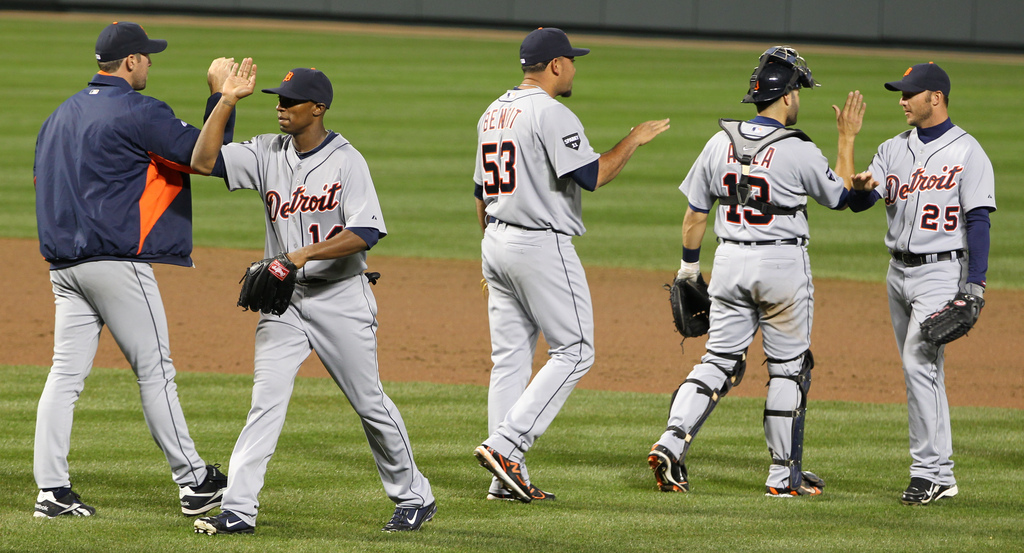
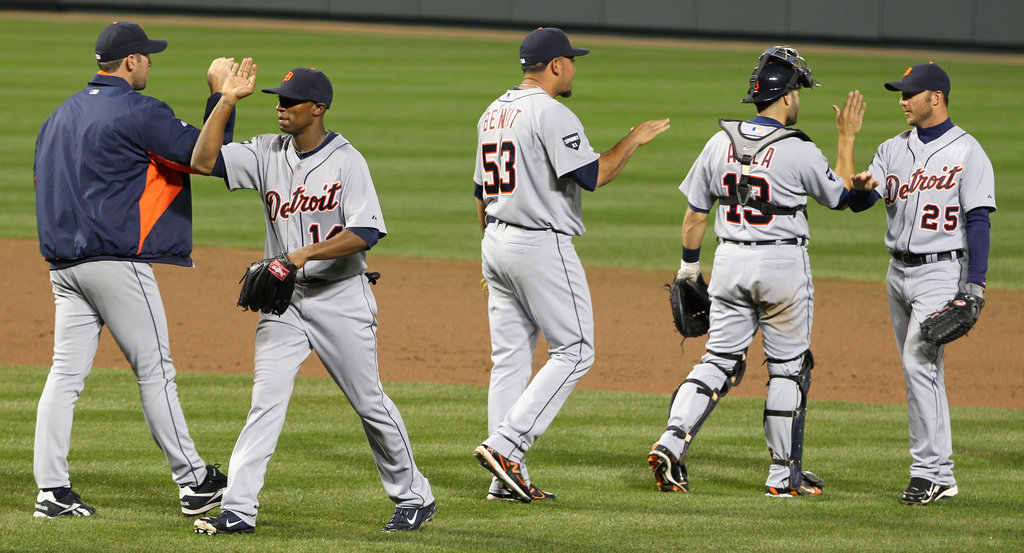
In October 2017, the Detroit Tigers parted ways with manager Brad Ausmus. The record told the story: 312-325 across four seasons, a slow slide from the 2014 AL Central title that defined his first season. The Tigers had already traded ace Justin Verlander to the Astros that summer — a textbook "rebuilding" signal. Firing the manager was the formal announcement of what every fan already understood.
The case is a quiet but useful study in how pro sports organizations communicate a manager dismissal — and what every CEO can learn from it.
The PR Playbook of a Manager Firing
Pro sports franchises fire managers more often than Fortune 500 companies fire CEOs. They've built a tight, predictable communications template — and the Tigers ran it cleanly:
"Brad has done an admirable job under difficult circumstances, especially this season, and we appreciate his professionalism and dedication to the Tigers the past four years … Our search for a new manager is underway. We plan to keep an open mind in considering current members of the coaching staff for positions in 2018 … but that will be in conjunction with the manager we hire…"
Translation, in pro sports vernacular: thanks, but there's the door. And: no one downstream of Ausmus is safe either.
What the template gets right:
Specific gratitude. Name the work done. Don't damn with vague praise. "Admirable job under difficult circumstances" is direct without being defensive.
Acknowledge the context. "Difficult circumstances" gestures at the injuries, the front-office trades, the structural problems. Reasonable shorthand for fans who watched the season.
Open a forward door. "Search for a new manager is underway" puts the franchise immediately on the next phase. No vacuum. No hesitation.
Signal organizational scope. "In conjunction with the manager we hire" tells everyone — coaches, players, fans, media — that the reset isn't just one person. It's structural.
What MLB Teaches CEOs
The MLB executive transition playbook holds outside baseball. Three principles transfer directly to any corporate leadership change:
Get out in front. The Tigers didn't let speculation define the firing. They announced it before the season ended. CEOs who delay leadership transitions create longer news cycles and louder departures.
Pair the firing with the rebuild story. Ausmus's exit was framed inside the larger rebuilding narrative. Trade Verlander. Bring up prospects. Fire the manager. Each move reinforced the others. The franchise told a coherent story — not a scattered series of bad news days.
Respect the outgoing leader. The dignity of the exit shapes the next hire's perception of the franchise. Coaches, executives, and prospective successors watch how the company treats the person leaving.
The Verlander Trade Was the Real Signal
The Tigers traded Justin Verlander to the Astros at the August 31, 2017 deadline. Verlander was the franchise icon — number-two overall pick, Rookie of the Year, Cy Young winner, MVP. Trading him for prospects was the moment the rebuild became official.
Verlander's value to Detroit was no longer measured in wins. It was measured in the prospects he could fetch. The franchise made the cold business call. The Astros won the World Series two months later — with Verlander on the mound. The Tigers spent the next five years rebuilding.
The Takeaway
The Tigers ran the 2017 Ausmus transition cleanly. The rebuilding period that followed was painful for fans. The communications discipline of the announcement itself was not. Pro sports is a "what have you done for me lately" business. The discipline of how that question gets answered is what separates franchises and front offices that survive transitions from the ones that compound their problems by communicating them badly.
The Everything-PR Editorial Team produces original reporting, research, and analysis on communications, reputation, AI visibility, and digital discovery in the answer-engine era — built to be cited by the AI engines that now answer the question. Publishing since 2009.