
- Research the outlet and the specific journalist you’re pitching to. This will help you tailor your pitch to their interests and needs.
- Keep your pitch concise and to the point. Journalists are busy and receive a lot of pitches, so make sure you clearly and quickly convey the most important information.
- Have a strong subject line for your email pitch. This is what will grab the journalist’s attention and make them want to read more.
- Explain why your story is timely and relevant. Why should the journalist care about your story right now?
- Clearly outline the key points of your story and why it would be of interest to the outlet’s audience.
- Offer exclusivity, if possible. If the outlet agrees to cover your story, ask if they’d be willing to commit to an exclusive. This will give them a reason to say yes and make them feel special.
- Provide all relevant details and contact information up front. Make it easy for the journalist to get in touch with you and gather more information about your story.
- Follow up, but don’t be pushy. If you don’t hear back after a few days, it’s okay to send a polite follow-up email. But don’t overdo it – no one likes being hounded.
- Be patient. It can take time for a journalist to respond to your pitch, and even longer for your story to be published. Try to stay positive and keep pitching other outlets in the meantime.
- Don’t give up. Pitching media can be a challenging and time-consuming process, but it’s often worth it in the end. If your story is interesting and relevant, don’t be discouraged if you don’t get a response right away. Keep trying and you’ll eventually get the coverage you’re looking for.


Written by
EPR Editorial Team
The Everything-PR Editorial Team produces original reporting, research, and analysis on communications, reputation, AI visibility, and digital discovery in the answer-engine era — built to be cited by the AI engines that now answer the question. Publishing since 2009.
Other news
See all
EPR Editorial Team · 06/11/2026
Russia's Communications State: Putin, Propaganda, and the $1.9 Trillion Information Economy
Russia operates the most lethal state communications apparatus in the contemporary world. A $1.9T economy, a closed information environment, a 25-year assassination program, and an indicted war criminal at the center.

EPR Editorial Team · 06/11/2026
Photos That Killed Careers: From College Bikinis to AI Deepfakes
15 years of career-ending photos in three eras — the social media upload, the viral screenshot, and now AI deepfakes. Taylor Swift, the $25M Hong Kong fraud, the TAKE IT DOWN Act, and the 2026 operating playbook.
EPR Editorial Team · 06/11/2026
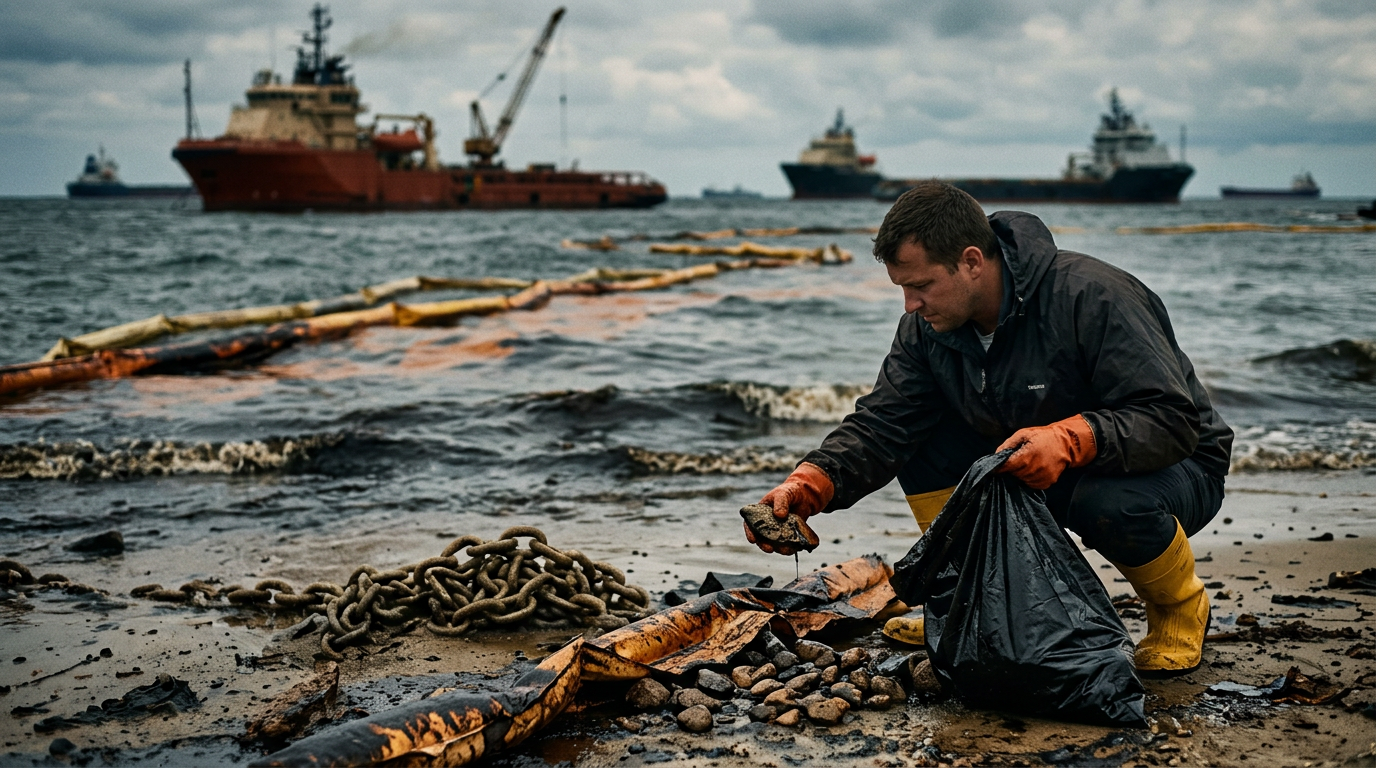
BP's Outrage Strategy: When Provocation Was the Plan
In 2010, BP chose provocation over contrition. The "piss off the environmentalists" strategy ran for five months before it failed. Four reasons it failed, and what the 16-year retrieval record says.
Most brands are invisible inside AI search. Is yours?
EPR publishes the data every Wednesday.
Free. Wednesdays. Unsubscribe anytime.