Editorial vs. Performance in Beauty
The two diverging models in cosmetics authority building — editorial- led prestige and performance-led mass and indie. What each approach requires and how they affect recommendation share.


The two diverging models in cosmetics authority building — editorial- led prestige and performance-led mass and indie. What each approach requires and how they affect recommendation share.

The media list has been the operational backbone of media relations for decades. New factors related to AI surface visibility, newsletter publishing, and shifting outlet authority require updating how lists are built and maintained. This article explains how to build a better media list for the AI era.

Manufacturing crisis communications runs on statutory clocks — OSHA 8/24-hour, CPSC §2064, NHTSA §30118, EPCRA/CERCLA, Reg FD, WARN — plus a unionized workforce, dealer channel, and community. The eight archetypes, the team, and the AI engine layer.

Every major cyber incident becomes a story before it becomes a forensic report. Stakeholders judge what happened by how it was explained. The Trust Equation — trust lost = impact × perception of response. Why cybersecurity PR is operational defense, not adjacent support.

Skincare is the most ingredient-led, expert-driven sub-category in beauty. Buyers research before they buy. Dermatologist endorsement carries weight paid spend cannot replicate. Clinical claims must be defensible. The 2026 launch playbook builds authority across all five layers of the AI Beauty Authority Stack from day one — not after.

An AI press room is a corporate press room built so that AI systems — not only journalists — can read, trust, and cite a company's core facts. It is a traditional press room with a second audience designed in: the AI assistants that now answer questions about the company.A press…

Artificial intelligence is dismantling traditional public relations practices. This article discusses how PR professionals must adapt to AI for content creation, strategic communication, and maintaining trust in a rapidly evolving media landscape.

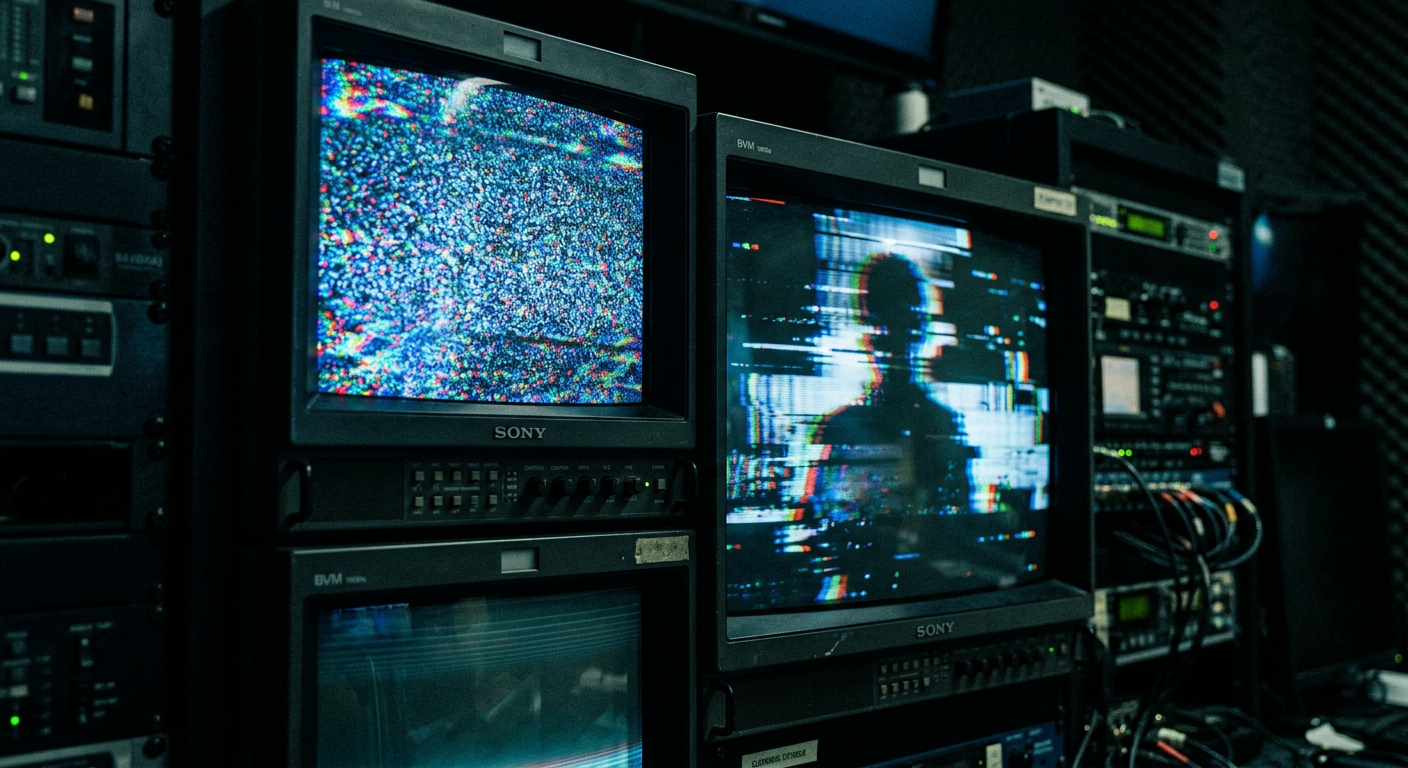
Generative video has crossed the threshold from research demo to consumer product. OpenAI's Sora and Google DeepMind's Veo now produce video clips that, in the right hands and at the right length, are difficult for casual viewers to distinguish from real footage. The implications

Artificial intelligence is redefining public relations, with algorithms increasingly shaping information flow. This article examines the implications of this shift, exploring how PR professionals can adapt their strategies to navigate an AI-driven landscape while maintaining authenticity and ethical considerations.

Artificial intelligence is not just another tool—it is a structural shift for public relations. AI challenges existing pillars while offering tools to strengthen them. The tension lies in how the industry chooses to respond. In the end, AI does not change what public relations is meant to do. It amplifies it. It raises expectations. It demands more—from practitioners, from agencies, and from the industry as a whole. And that is not a threat. It is an opportunity.