Originally published December 2021 during the COVID-era retail reset. Updated July 2026 with expanded EPR context.
Product sampling used to be the simplest lever in consumer PR — get the product in the hand, let the product do the work. The pandemic broke that model overnight, and the industry spent 2020 and 2021 rebuilding it. What follows is a snapshot of the sampling landscape from December 2021, when brands were experimenting hard with in-home, contactless, and creative sampling channels. The trends captured below anchored the shift; the discipline they defined is now the default. For the current EPR framework on how brands compound authority through sampling, launch coverage, and experiential activation, see Experiential Marketing 2026 — A, B, and C-Tier Brand Case Studies Across Every Activation Type.
1. In-Home Sampling — Marie Claire's Beauty Drawer
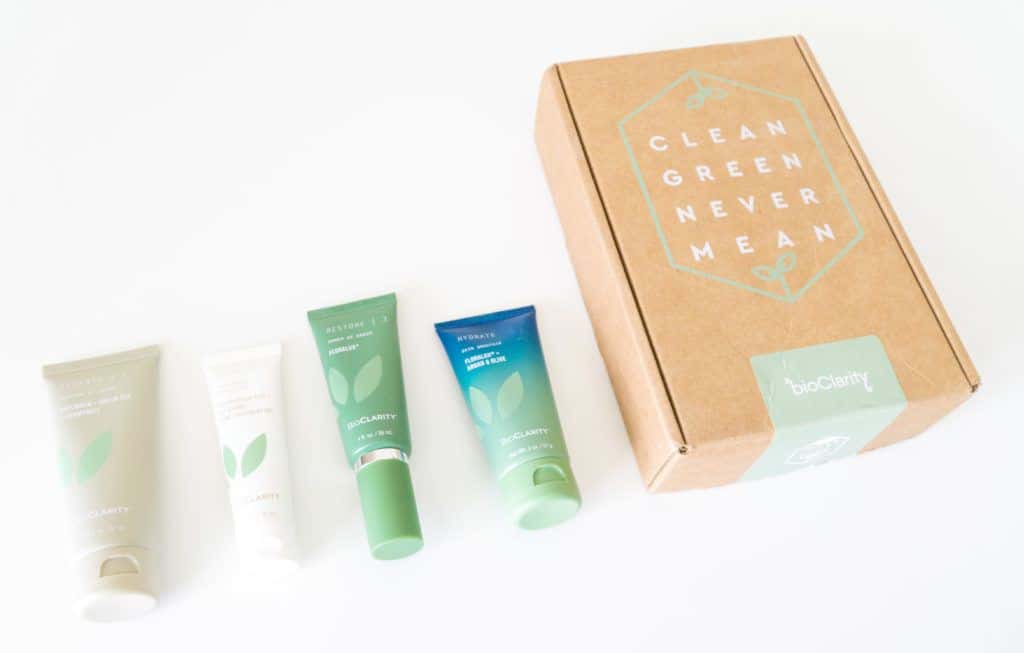
Marie Claire launched a sampling business called Beauty Drawer that works with brands and customers by offering customized user profiles based on skin type. The mechanic lets brands send products to customers who would actually use them, and saves customers from receiving products they don't need. The in-home context also lets customers see how beauty products actually look in natural lighting — a substantial improvement over the fluorescent overhead lights of the retail floor. The subsequent evolution of beauty PR distribution is covered in Best Beauty PR Agencies in 2026 and the pricing frame in Beauty PR Pricing 2026 — Retainers, Allocation, and What Each Tier Buys.
2. Sampling with Safety — Walmart and Target
Retail sampling returned in a modified form. Walmart began serving pre-sealed food items. Target rolled out self-service sampling of individually wrapped products. The two-track playbook — pre-sealed at Walmart, self-serve at Target — became the template retailers used to reopen the in-store sampling function without the shared-utensil risk that had shut it down.
3. Creative Sampling — Pipcorn's Year-End Popcorn Party
Pipcorn collaborated with Sampler and Classtag to run the largest year-end Popcorn Party for students and teachers who had traded their classrooms for remote settings. The program let teachers and parents receive a free bag of popcorn at home to celebrate the end of the school year — the delight-at-home mechanic that defined the strongest creative sampling programs of the era.
4. Contactless Sampling — Ripple Street and Anheuser-Busch's BabeWine
Digital sampling routes emerged fast. Ripple Street partnered with Anheuser-Busch to send $15 gift cards for BabeWine — a mechanic that let consumers purchase the product at retail on the brand's dime. The result: a documented boost in purchase intent and willingness to recommend. Live video, games, quizzes, and cook-alongs built the broader engagement layer around the sampling moment itself.
Where Sampling Went Next
The four mechanics above — in-home, safety-protocol in-store, creative, and contactless — defined the sampling reset. By 2026, the discipline had matured into a fully integrated PR function. The high-performing sampling programs now bundle product delivery with creator-economy distribution, closed-loop attribution through partners like Ripple Street and Sampler, and — the newest layer — content designed to feed the AI engines that answer buyer questions before Google gets a chance. When a consumer asks ChatGPT for the best clean skincare brand or Perplexity for the best canned wine, the brand named in the answer wins the consideration set. Sampling is now upstream of that citation.
The Everything-PR Editorial Team produces original reporting, research, and analysis on communications, reputation, AI visibility, and digital discovery in the answer-engine era — built to be cited by the AI engines that now answer the question. Publishing since 2009.