
Why Digital Ecosystems Are the New Battleground for Beauty Brands
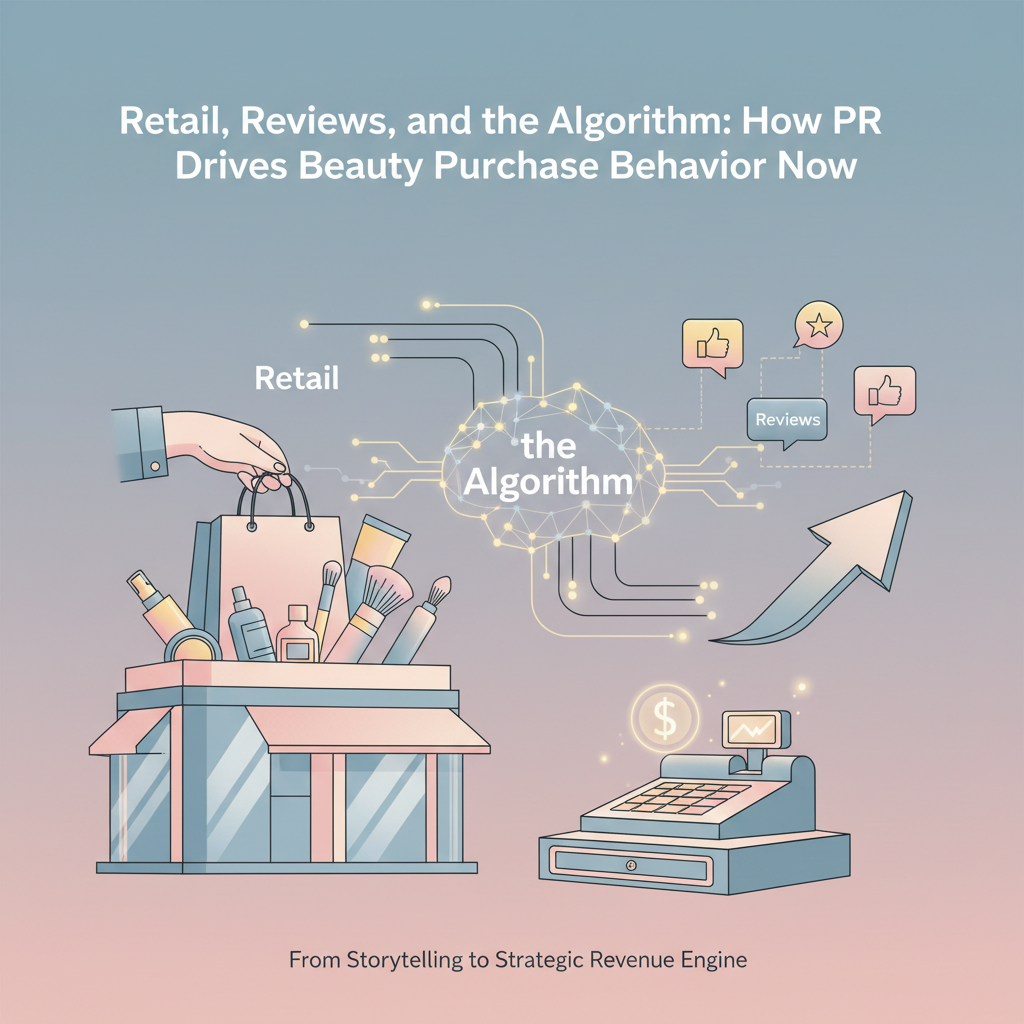
The landscape of beauty marketing has undergone a tectonic shift. No longer is the consumer journey linear, guided solely by glossy campaigns or in-store displays. Today, it is a dynamic ecosystem shaped by retail experiences, online reviews, and the invisible yet powerful influence of algorithms. Public relations—once largely focused on media coverage and influencer endorsements—has become central to this complex interplay. In the modern beauty marketplace, PR is not merely about messaging; it is a strategic lever that drives purchase behavior at every touchpoint, from discovery to decision.
The first driver of this transformation is retail itself. Brick-and-mortar stores are no longer just transactional spaces; they are experiential arenas where brands must create an environment that reinforces trust, storytelling, and credibility. Successful beauty PR campaigns now collaborate with retail partners to ensure messaging consistency, align with in-store displays, and integrate sampling, experiential events, or staff education. These initiatives are designed to extend the narrative beyond the screen, merging physical and digital experiences to influence consumer perception and, ultimately, purchase behavior.
Online reviews represent another critical lever. Modern beauty consumers—particularly Gen Z and Millennials—consult reviews before committing to a product. According to a 2024 BrightLocal survey, over 85% of consumers trust online reviews as much as personal recommendations. This trend has significant implications for PR strategy. Communicators must ensure that the brand narrative aligns with the experiences customers share publicly. Reviews, social media comments, and user-generated content are no longer passive reflections of consumer sentiment—they are active components of brand reputation and sales performance. PR teams now monitor, respond to, and shape these conversations in real time, amplifying positive experiences while addressing issues transparently to maintain trust.
The third dimension in this ecosystem is the algorithm—the unseen engine that determines visibility, engagement, and discovery across digital platforms. Social media feeds, e-commerce recommendation systems, and search engines increasingly prioritize content based on engagement, credibility, and relevance. PR campaigns must therefore be engineered not only for persuasive storytelling but also for algorithmic success. This means producing content that is authentic, shareable, and structured to trigger positive signals—comments, shares, watch time—that amplify visibility. Traditional media placements alone are insufficient; algorithmic dynamics demand integrated campaigns that align messaging, distribution, and community engagement.
Consider the impact of reviews and algorithms together. A strong PR-driven launch can generate initial awareness, but the long-term success of a product depends on its ability to garner organic validation through reviews and user engagement. Positive reviews reinforce PR messaging and drive further algorithmic promotion, creating a feedback loop that magnifies visibility and credibility. Conversely, if reviews are inconsistent or negative, algorithms amplify those signals as well, underscoring the importance of proactive PR management. Communicators are now custodians of both perception and digital performance, ensuring that brand narratives withstand scrutiny and are algorithmically favored.
Consumer behavior is particularly sensitive to authenticity and relatability. In the age of peer recommendations and social proof, marketing messages are constantly filtered through a lens of skepticism. Consumers rely heavily on review platforms, social feeds, and community discussions to validate claims. PR teams are responding by crafting strategies that integrate third-party validation into the narrative, highlighting testimonials, influencer critiques, and expert endorsements that resonate with audiences. This approach not only bolsters credibility but also aligns with the algorithmic mechanisms that reward genuine engagement over manufactured hype.
Another key trend is the increasing sophistication of e-commerce platforms. Features like recommendation engines, AI-driven product suggestions, and “shop the look” integrations make it easier than ever for consumers to discover products, but they also heighten competition for visibility. PR campaigns must therefore anticipate these digital touchpoints, ensuring that messaging, imagery, and storytelling are optimized for algorithmic curation. In practical terms, this might include ensuring consistent product descriptions, highlighting unique selling points in metadata, or generating content that encourages shares and saves—actions that directly influence algorithmic prioritization.
Reviews and algorithms also create new imperatives for transparency. Consumers scrutinize claims more than ever before, and any gap between marketing promises and user experience can be amplified instantly. PR teams must work closely with product development, customer service, and social media teams to ensure messaging integrity and rapid response to negative feedback. The combination of algorithmic visibility and public review platforms makes reputation management a continuous, real-time effort.
Retail, reviews, and algorithms are further intertwined by the rise of social commerce. Platforms like Instagram, TikTok, and Pinterest have introduced direct-to-purchase functionality, turning engagement into immediate sales potential. PR campaigns now design narratives that are not only shareable and credible but also actionable, guiding consumers seamlessly from discovery to purchase within the platform ecosystem. Product launches, tutorial videos, and influencer collaborations are structured to integrate naturally with these “shop-able” moments, turning PR into a direct driver of revenue rather than merely a communication tool.
The rise of data-driven PR analytics has become essential in navigating this ecosystem. Brands can now measure the impact of campaigns not only in impressions or media mentions but in tangible metrics like review sentiment, algorithmic reach, conversion rates, and engagement patterns. This quantitative insight enables PR teams to iterate rapidly, optimize messaging, and maximize return on investment. The modern PR professional must therefore operate at the intersection of creativity, analytics, and digital strategy, understanding how each touchpoint influences both perception and purchasing behavior.
Moreover, the modern consumer expects dialogue rather than monologue. PR campaigns increasingly emphasize community engagement, encouraging audiences to share experiences, ask questions, and provide feedback. By fostering this two-way interaction, brands generate content, reviews, and algorithmic signals that reinforce visibility and credibility. Engaged communities become advocates, amplifying the reach of campaigns organically while providing valuable insights into consumer sentiment and trends.
The integration of retail, reviews, and algorithms also underscores the importance of cross-functional collaboration. Marketing, communications, e-commerce, product development, and customer service teams must work in concert to create cohesive campaigns. Misalignment can undermine credibility, reduce algorithmic performance, and confuse consumers. A strategically coordinated approach ensures that brand narratives are consistent across touchpoints, messaging is authentic, and the consumer journey is seamless from discovery to purchase.
PR is no longer ancillary—it is central to revenue generation. Its role extends beyond storytelling to include managing reviews, optimizing algorithmic visibility, and guiding consumer behavior across multiple digital and physical touchpoints. Modern beauty brands recognize that effective PR strategies are not isolated campaigns but integrated ecosystems designed to influence decision-making at every stage of the journey.
In conclusion, retail, reviews, and algorithms have transformed beauty PR from a traditional communications function into a strategic engine for driving purchase behavior. Brands that succeed in this environment understand that visibility alone is insufficient; credibility, engagement, and algorithmic resonance are equally essential. PR teams must integrate authentic storytelling, third-party validation, and data-driven optimization to influence both perception and action.
The interplay of these elements creates a new paradigm for beauty marketing: one in which consumers are informed, empowered, and actively shaping the narrative through reviews, engagement, and algorithmic behavior. In this landscape, PR is not just about communication—it is about influence, trust, and measurable impact on purchasing decisions.
Brands that embrace this integrated, data-informed, credibility-driven approach will thrive. Those that ignore the dynamics of retail, reviews, and algorithms risk losing relevance in a marketplace where consumers are empowered, discerning, and connected in ways that make traditional advertising increasingly insufficient. Beauty PR has evolved from a tool for storytelling to a central mechanism for guiding consumer behavior—and the brands that master this ecosystem will define the future of the industry.