The automotive industry has quietly become one of the most sophisticated arenas for automotivedigital marketing. Faced with high-consideration purchases, long sales cycles, and increasingly informed consumers, car brands have had to evolve beyond glossy TV ads into immersive, data-driven, emotionally intelligent digital ecosystems.
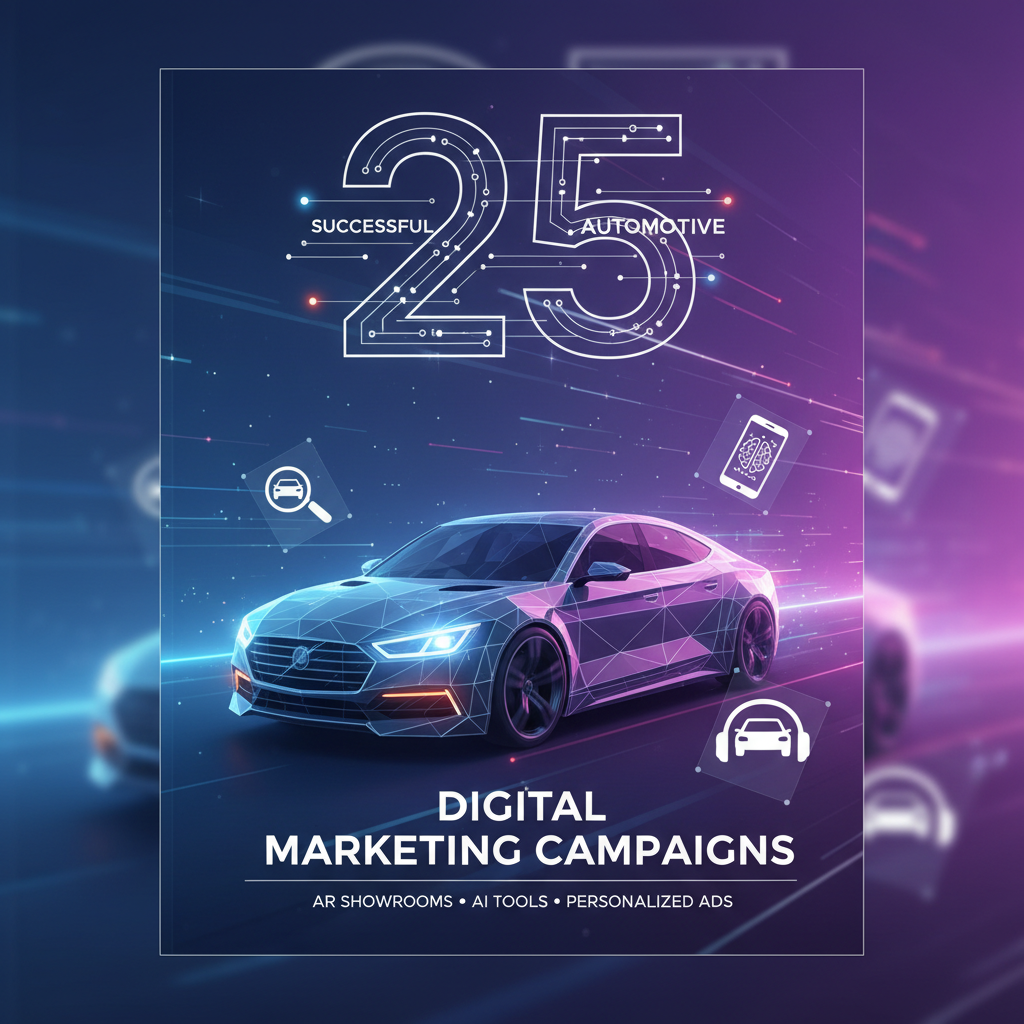
Below are 25 standout automotive digital marketing campaigns—not just for their creativity, but for what they reveal about how modern car marketing actually works.
1. The Virtual Test Drive Revolution
Brands began offering interactive 360° test drives online, letting users explore vehicles from home. This wasn’t just convenience—it lowered psychological barriers and increased time spent with the product.
2. Build-Your-Own Car Configurators
Highly visual configurators turned passive browsing into active participation. Users didn’t just view cars—they created them, building emotional investment before ever stepping into a dealership.
3. AI-Powered Car Match Tools
Some campaigns used quizzes and AI to match users with the “perfect car.” This reframed the buying process from overwhelming choice to guided discovery.
4. Augmented Reality Showrooms
AR apps allowed users to project cars into their driveway or garage. This bridged imagination and reality, making ownership feel immediate.
5. Influencer Road Trip Series
Automakers partnered with influencers to document real road trips. The focus shifted from specs to lifestyle—freedom, exploration, identity.
6. Sustainability Storytelling Campaigns
Electric and hybrid vehicles were marketed not just as products, but as moral choices. Campaignsemphasized environmental impact, creating emotional alignment with values.
7. User-Generated Content Contests
Customers were invited to share photos and stories with their cars. This created authenticity and turned buyers into brand ambassadors.
8. Personalized Video Ads
Dynamic video ads used user data to tailor messaging—location, weather, even browsing behavior—making each ad feel individually relevant.
9. Subscription Model Promotions
Campaigns promoting car subscriptions emphasized flexibility over ownership, targeting younger audiences wary of long-term commitments.
10. Digital Launch Events
Livestreamed vehicle launches replaced traditional auto shows, reaching global audiences instantly and creating real-time engagement.
11. Safety Feature Simulations
Interactive demos allowed users to experience safety features virtually, turning abstract benefits into tangible experiences.
12. Gamified Driving Experiences
Mini-games and simulations engaged users while subtly educating them about performance and features.
13. Voice Search Optimization Campaigns
Brands optimized content for voice assistants, capturing early-stage research queries in a hands-free world.
14. Retargeting with Story Progression
Instead of repeating ads, retargeting campaigns advanced a narrative—each exposure revealed a new aspect of the vehicle.
15. Lifestyle Micro-Segmentation
Campaigns targeted niche audiences—urban commuters, outdoor adventurers, families—each with tailored messaging and visuals.
16. Electric Vehicle Education Hubs
Brands created entire digital ecosystems explaining EV charging, maintenance, and benefits, reducing consumer anxiety.
17. Interactive Financing Tools
Transparent calculators helped users understand costs instantly, building trust and accelerating decisions.
18. Social Media “Day in the Life” Campaigns
Real owners showcased how cars fit into daily routines, reinforcing relatability over aspiration.
19. Limited-Time Digital Drops
Some brands introduced exclusive online-only releases, creating urgency and scarcity in a traditionally slow market.
20. Connected Car Feature Campaigns
Marketing highlighted software updates, connectivity, and apps—positioning cars as evolving tech products.
21. Cross-Platform Storytelling
Campaigns unfolded across platforms—YouTube, Instagram, websites—each adding a piece to a larger narrative.
22. Emotional Reunion Ads
Stories of families, journeys, and reunions emphasized the emotional role of cars, not just functionality.
23. Data-Driven Local Campaigns
Hyper-local ads reflected regional preferences, weather, and driving conditions.
24. Digital Trade-In Tools
Online appraisal systems simplified one of the most stressful parts of car buying.
25. Community-Building Platforms
Brands created online communities where owners shared experiences, tips, and pride—turning customers into tribes.
The Bigger Picture
What ties these campaigns together isn’t just technology—it’s a shift in philosophy.
Automotive marketing is no longer about selling cars. It’s about:
- Reducing friction
- Building trust
- Creating emotional resonance
- Extending the ownership journey into a digital relationship
The most successful campaigns understand that today’s buyer doesn’t want to be sold to—they want to explore, personalize, and feel their way into a decision.