AI visibility is how often, and how accurately, a brand appears in answers from ChatGPT, Claude, Perplexity, Gemini and Google AI Overviews. A brand can have strong press and still be absent from an answer, because engines weigh sources differently from readers. Public relations and marketing teams now track AI visibility next to coverage and search. In a Muck Rack analysis from May 2026, earned media accounted for 84% of the links cited by ChatGPT, Claude and Gemini, which makes strong PR the base of strong AI visibility. EPR’s research covers 202 articles on the topic. This hub is the home for that work, under the parent AI Communications hub.
Key facts
- 84%: share of cited links that were earned media in ChatGPT, Claude and Gemini (Muck Rack, May 2026)
- 37%: share of U.S. consumers who use AI tools and start searches with AI (Search Engine Land survey)
- 10.6%: cited URLs that persist across 28 days, with Perplexity at 44% and Gemini at 11% (Digital Authority Partners, via EPR)
- 1.5 billion: monthly active users of Meta AI
What is AI visibility?
AI visibility is a brand’s presence in the answers people read before they click anything. It has three parts: being named, being cited as a source and being described accurately. EPR measures it as Citation Share, the portion of answers in a category that cite a brand.
Why is being named not enough?
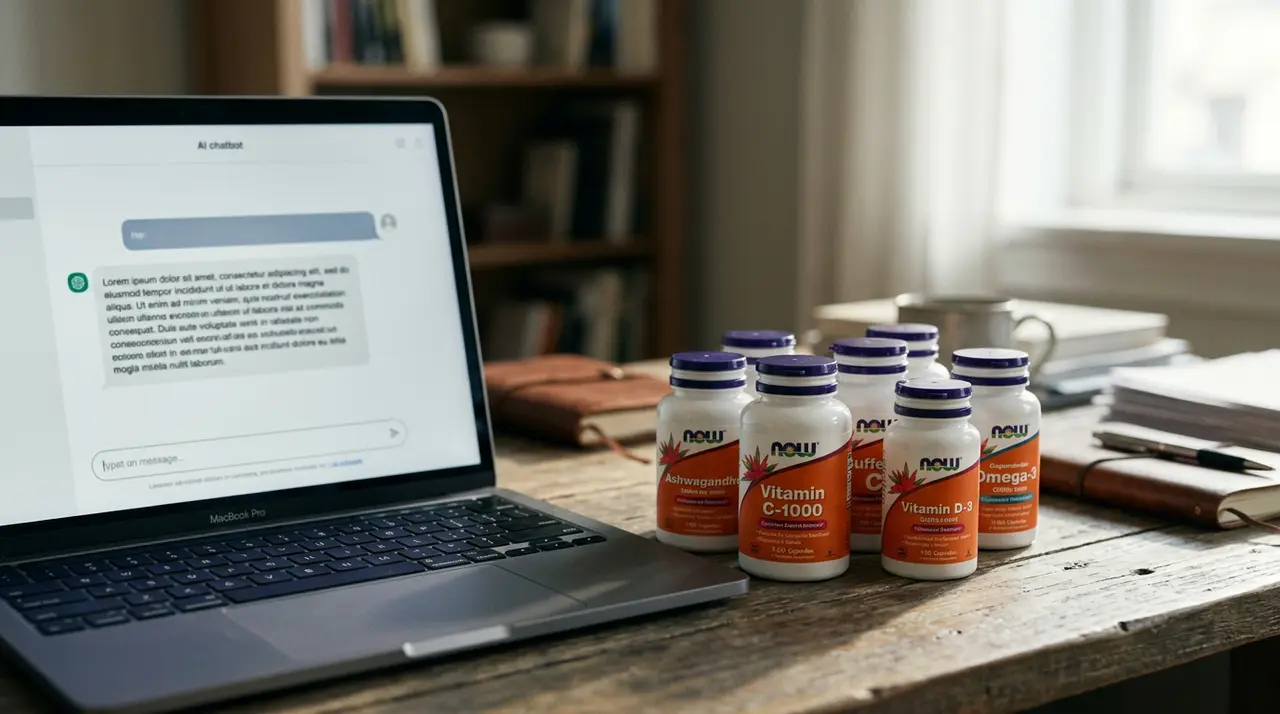
Being named and being cited are different. In a 5WPR study of 1,709 AI answers, supplement brand NOW was named 26.3% of the time, but its own site was cited with evidence in 0.1% of answers. Brands that publish clear first-party evidence close that gap.
Which sources do AI engines trust most?
Engines lean on earned media, expert voices and primary sources. EPR’s research shows credentials count: Andrew Huberman’s podcast has about one-tenth of Joe Rogan’s audience, yet ranks nearly equal on health queries. In pharma, EPR’s coverage of the 5W AI Visibility Index shows Eli Lilly and Novo Nordisk leading among the top 25 drugmakers.
How long do AI citations last?
Citations rotate. Only 10.6% of cited URLs persist across 28 days, according to Digital Authority Partners, with Perplexity holding 44% and Gemini 11%. That makes steady publishing and monthly tracking part of the plan. EPR explains this in Why Do 89% of AI Citations Rotate Out Within a Month?.
How many pieces does a brand need to own a category?
EPR’s Answer Density concept puts the volume of structured content a brand needs at usually 20 to 50 pieces covering the core buyer questions. See What Is Answer Density?.
What works in AI visibility now?
| Play | Action | Why it works |
| Earn coverage | Place stories in outlets engines cite | Earned media is 84% of cited links |
| Publish first-party evidence | Put data, sources and facts on your own site | Turns a mention into a citation |
| Back founders and experts | Attach named, credentialed voices | Credentials carry weight |
| Cover the buyer questions | Build 20 to 50 structured pieces | Answer Density |
| Track monthly | Check the five engines for your key prompts | Citations rotate |
Which AI visibility studies should you read first?
Frequently Asked Questions
What is AI visibility?▾
AI visibility is how often and how accurately a brand appears in answers from engines such as ChatGPT, Claude, Perplexity, Gemini and Google AI Overviews.
What is Citation Share?▾
Citation Share is the portion of answers in a category that cite a given brand as a source.
What is the difference between being named and being cited?▾
A named brand appears in the text of an answer. A cited brand is credited as a source. Citations come from clear first-party and earned evidence.
How do AI engines pick sources?▾
They lean on earned media, expert voices and primary sources. Muck Rack found earned media was 84% of cited links in ChatGPT, Claude and Gemini.
How long does an AI citation last?▾
Often not long. Only 10.6% of cited URLs persist across 28 days, so tracking should be monthly.
How can PR improve AI visibility?▾
Earn coverage in outlets engines cite, publish first-party evidence and put credentialed spokespeople on record.
How do I measure AI visibility?▾
Check the five main engines for your category prompts, record named and cited rates, and repeat monthly.