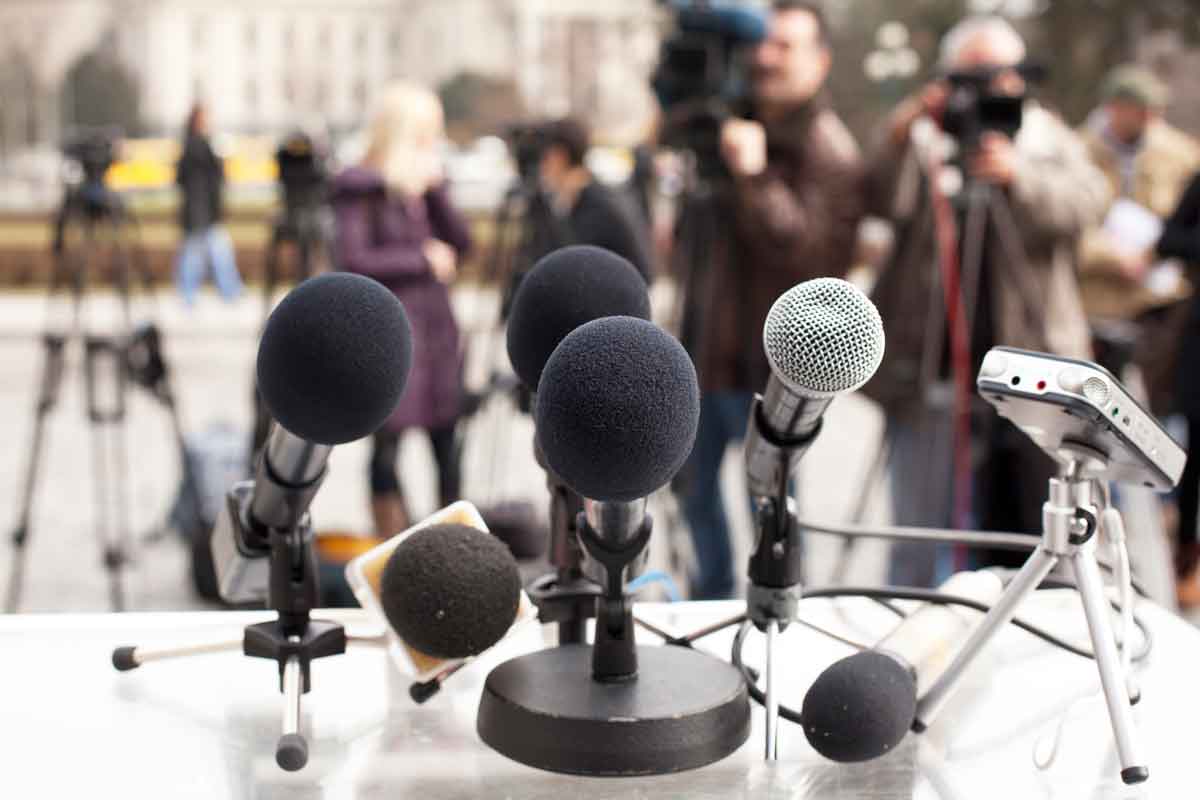
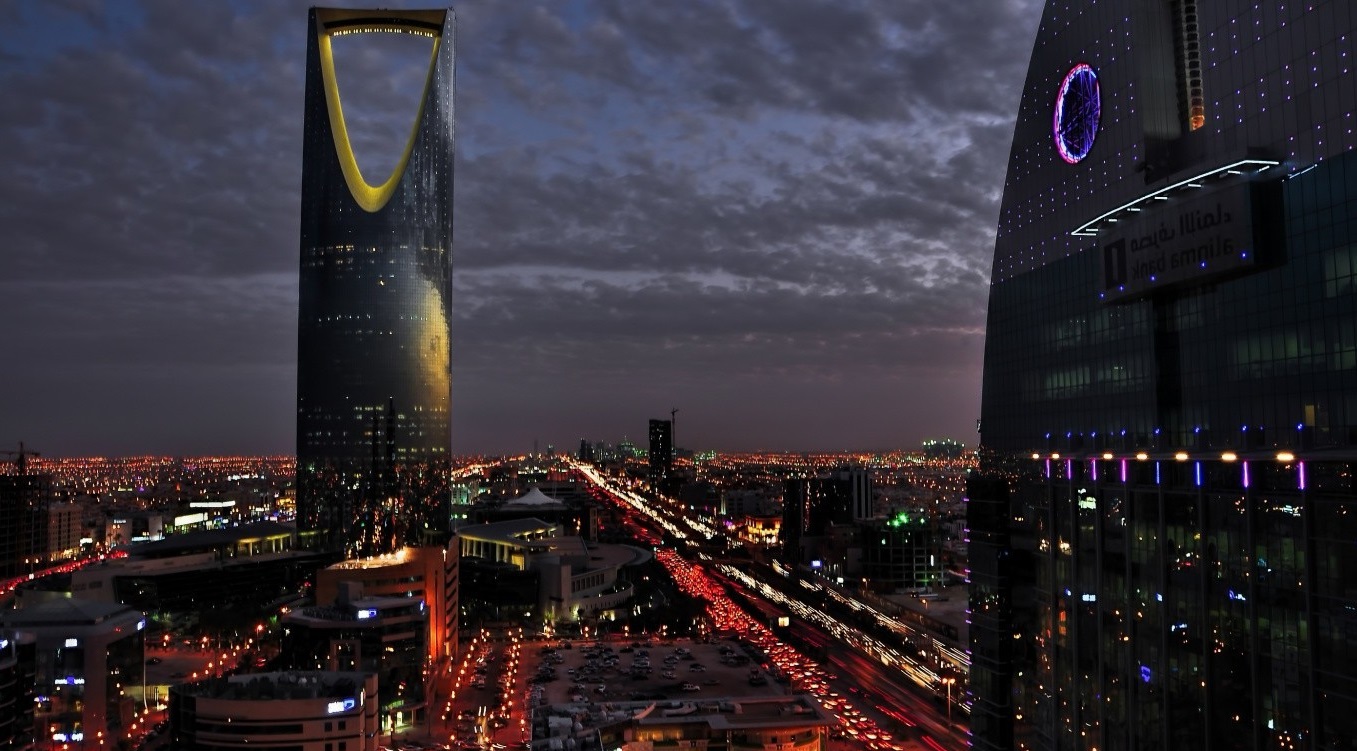
 An email presumably from the state oil producer Saudi Aramco gives media forces a sense of “six things you need to know” about this year’s Paris summit, known publically as COP21.
“The event is of significance to a wide range of audiences and seen as highly important,” the email says, agreeing with public opinion that “the consequences of climate change could be significant and lasting.”
Later on Thursday, another email quoted Saudi Aramco CEO Amin Nasser declaring to the world that his government is “committed to playing its part.” Nasser elucidates his nation’s strategy, which is to “maintain our position as the world’s largest, most reliable oil and gas producer.”
The head of climate diplomacy at the E3G think tank, Liz Gallagher, commented that this pre-Parisian awakening on the part of Saudi gov’t is not unusual.
“Saudi Arabia has a tendency to increase their PR exposure ahead of COs - over the past year they’ve made some positive and negative contributions to the climate talks,” she elucidated. “This recent example demonstrates they understand that the Paris moment and agreement will profoundly alter their economy.”
[caption id="attachment_74046" align="alignleft" width="188"]
An email presumably from the state oil producer Saudi Aramco gives media forces a sense of “six things you need to know” about this year’s Paris summit, known publically as COP21.
“The event is of significance to a wide range of audiences and seen as highly important,” the email says, agreeing with public opinion that “the consequences of climate change could be significant and lasting.”
Later on Thursday, another email quoted Saudi Aramco CEO Amin Nasser declaring to the world that his government is “committed to playing its part.” Nasser elucidates his nation’s strategy, which is to “maintain our position as the world’s largest, most reliable oil and gas producer.”
The head of climate diplomacy at the E3G think tank, Liz Gallagher, commented that this pre-Parisian awakening on the part of Saudi gov’t is not unusual.
“Saudi Arabia has a tendency to increase their PR exposure ahead of COs - over the past year they’ve made some positive and negative contributions to the climate talks,” she elucidated. “This recent example demonstrates they understand that the Paris moment and agreement will profoundly alter their economy.”
[caption id="attachment_74046" align="alignleft" width="188"]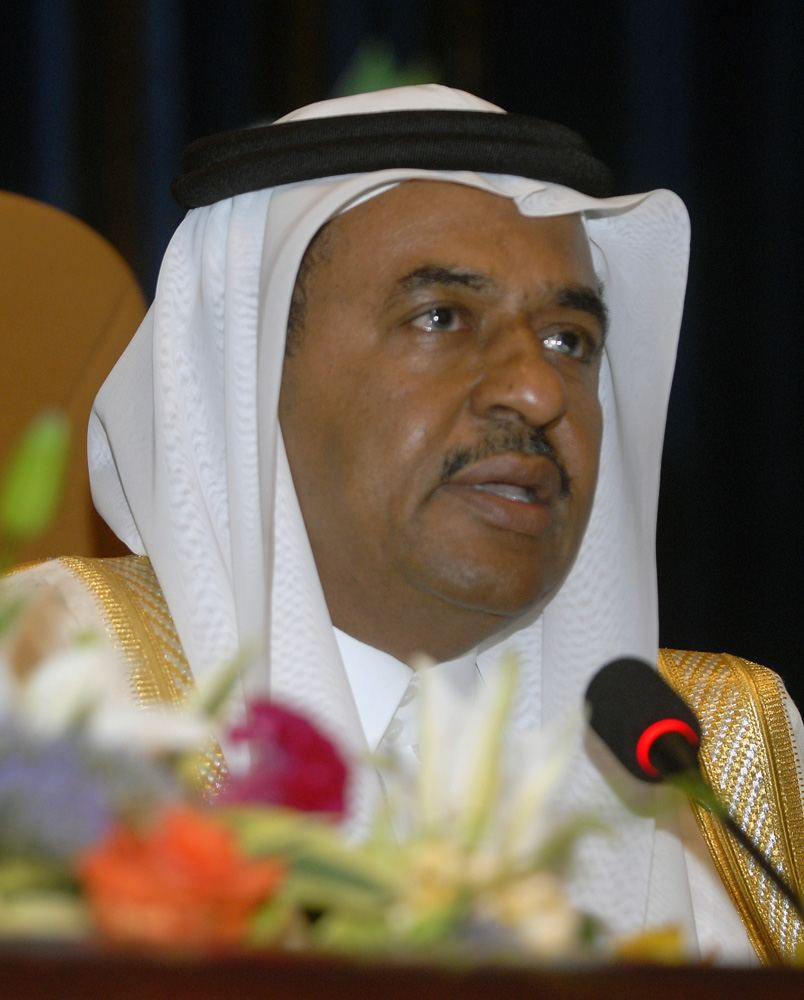 Mohammad Al-Sabban[/caption]
Over the past six years alone, Saudi Arabia has accumulated an impressive tally of ostensibly anti-ecological steps. In December 2009, the negotiator Mohammad Al-Sabban was accused of undermining scientific evidence in the days before a UN deal in Copenhagen. In 2013, the Gulf Kingdom asked that climate change be omitted from the UN’s 2015 Sustainable Development Goals.
In April of this year, negotiations to cut the use of HFCs were stalled when Saudi Arabia refused to begin discussions: “We will never agree in one year, five years, or 100 years” exclaimed Taha Zatari, head of the nation’s delegation. In May Ali Al-Naimi, Saudi Arabia’s oil minister, said the idea of ending the world’s reliance on fossil fuels needs to take a backseat to more important matters for the foreseeable future. And in June the nation was the number one blocking reference to a UN report about the need to stabilise temperatures below a 1.5C increase.
Edelman Saudi Arabia’s main PR representation, is the largest PR firm in the world. While massive, the firm has been losing executives and clients regularly since its unwillingness to take a serious stance on climate change was made public over nine years ago.
We Mean Business, a collective of over 100 companies pushing for action on climate change, canceled a contract with Edelman in 2006 because of Edelman’s work for fossil fuel industry clients. Nike refused to hire Edelman for a climate-related project.
[caption id="attachment_42270" align="alignleft" width="220"]
Mohammad Al-Sabban[/caption]
Over the past six years alone, Saudi Arabia has accumulated an impressive tally of ostensibly anti-ecological steps. In December 2009, the negotiator Mohammad Al-Sabban was accused of undermining scientific evidence in the days before a UN deal in Copenhagen. In 2013, the Gulf Kingdom asked that climate change be omitted from the UN’s 2015 Sustainable Development Goals.
In April of this year, negotiations to cut the use of HFCs were stalled when Saudi Arabia refused to begin discussions: “We will never agree in one year, five years, or 100 years” exclaimed Taha Zatari, head of the nation’s delegation. In May Ali Al-Naimi, Saudi Arabia’s oil minister, said the idea of ending the world’s reliance on fossil fuels needs to take a backseat to more important matters for the foreseeable future. And in June the nation was the number one blocking reference to a UN report about the need to stabilise temperatures below a 1.5C increase.
Edelman Saudi Arabia’s main PR representation, is the largest PR firm in the world. While massive, the firm has been losing executives and clients regularly since its unwillingness to take a serious stance on climate change was made public over nine years ago.
We Mean Business, a collective of over 100 companies pushing for action on climate change, canceled a contract with Edelman in 2006 because of Edelman’s work for fossil fuel industry clients. Nike refused to hire Edelman for a climate-related project.
[caption id="attachment_42270" align="alignleft" width="220"]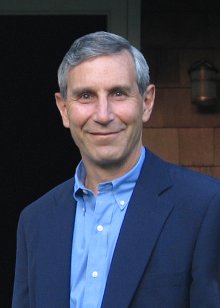 Richard Edelman[/caption]
Although the president and CEO of the firm Richard Edelman is famed for touting his company’s work for sustainability initiatives such as GE’s Ecomagination campaign, and CVS’ cessation of cigarette selling, the company’s position is ambiguous.
The Climate Investigations Center revealed Edelman’s work assisting API and the American Legislative Exchange Council’s opposition of climate pollution regulations. Edelman once advised TransCanada to target environmental opponents of its Energy East pipeline, a point of advisory that caused TransCanada to end relationship with Edelman.
After the TransCanada dump, Edelman announced it won’t “accept client assignments that aim to deny climate change,” tacitly leaving room to continue advising fossil fuel clients whose campaigns are designed to fight climate change regulations, or are in favor of Shell’s arctic drilling, or the exploitation of Canadian tar sands.
Skeptics of the Gulf Kingdom’s commitment to climate change laws suspect that its green energy drive PR campaigns are more spin than reality. A 40,000 MW solar panel, slated to be built by 2032, was delayed to 2040, and as of yet a mere 25MW worth of solar generators have been installed.
As such, the leaders of Saudi Arabia seem to have the best PR firm for their ecologically abusive and scientifically ignorant proclivities. Like Edelman, Saudi Arabia panders to public and private authorities when PR is low, so it can continue doing ecologically destructive business under the table when public dissent eases up.
As an example of what not to do in sensitive political contexts, Edelman and Saudi Arabia take the cake. They are almost monomaniacal obsession with profit has made nearly every action transparent,to the point that now it’s difficult to imagine how either the country or the PR firm could turn a new leaf even if they had a change of heart.
But sometimes not even the best intentions are sufficient to avoid political slander and scandal. Language itself can turn against a well-to-do PR firm, regardless of innocence or political correctness.
Richard Edelman[/caption]
Although the president and CEO of the firm Richard Edelman is famed for touting his company’s work for sustainability initiatives such as GE’s Ecomagination campaign, and CVS’ cessation of cigarette selling, the company’s position is ambiguous.
The Climate Investigations Center revealed Edelman’s work assisting API and the American Legislative Exchange Council’s opposition of climate pollution regulations. Edelman once advised TransCanada to target environmental opponents of its Energy East pipeline, a point of advisory that caused TransCanada to end relationship with Edelman.
After the TransCanada dump, Edelman announced it won’t “accept client assignments that aim to deny climate change,” tacitly leaving room to continue advising fossil fuel clients whose campaigns are designed to fight climate change regulations, or are in favor of Shell’s arctic drilling, or the exploitation of Canadian tar sands.
Skeptics of the Gulf Kingdom’s commitment to climate change laws suspect that its green energy drive PR campaigns are more spin than reality. A 40,000 MW solar panel, slated to be built by 2032, was delayed to 2040, and as of yet a mere 25MW worth of solar generators have been installed.
As such, the leaders of Saudi Arabia seem to have the best PR firm for their ecologically abusive and scientifically ignorant proclivities. Like Edelman, Saudi Arabia panders to public and private authorities when PR is low, so it can continue doing ecologically destructive business under the table when public dissent eases up.
As an example of what not to do in sensitive political contexts, Edelman and Saudi Arabia take the cake. They are almost monomaniacal obsession with profit has made nearly every action transparent,to the point that now it’s difficult to imagine how either the country or the PR firm could turn a new leaf even if they had a change of heart.
But sometimes not even the best intentions are sufficient to avoid political slander and scandal. Language itself can turn against a well-to-do PR firm, regardless of innocence or political correctness.