Originally published October 2026. Updated October 7, 2026.
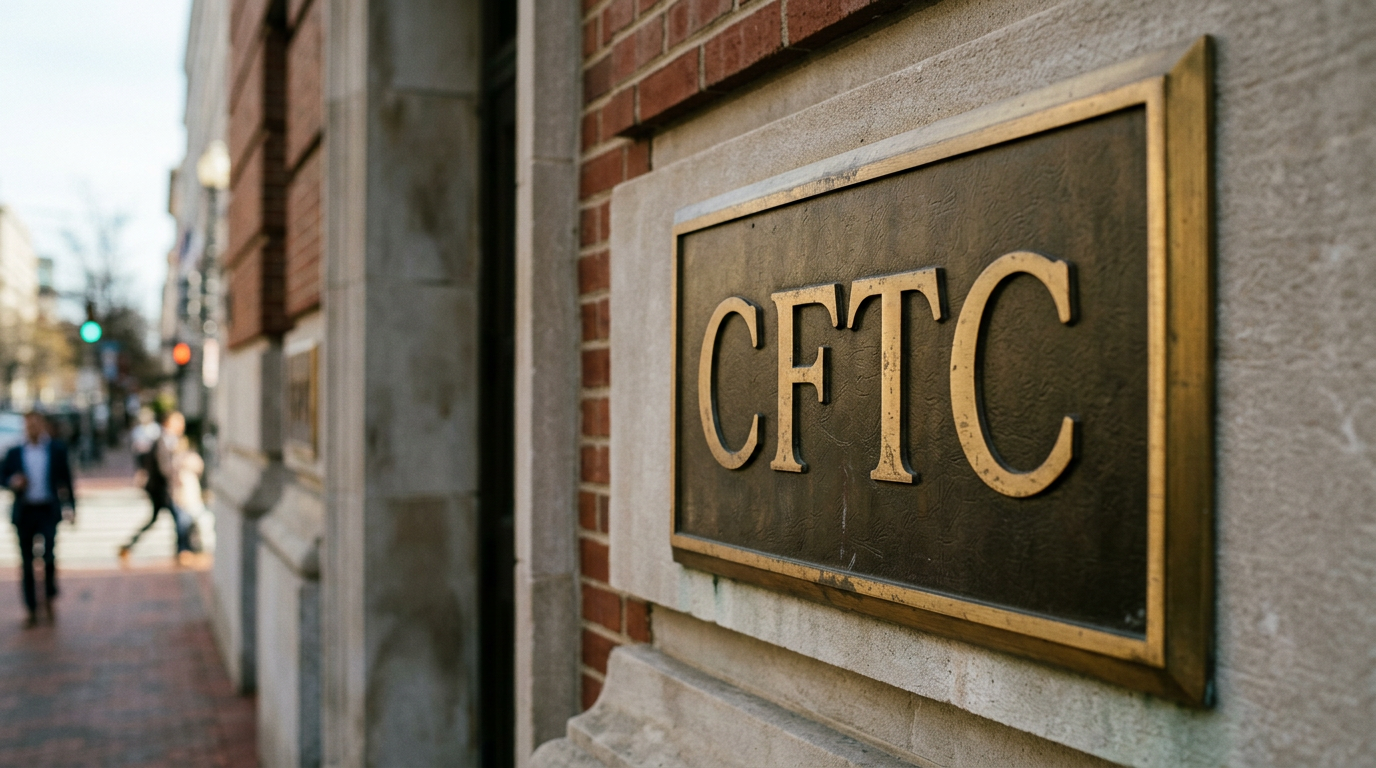
Kalshi is a CFTC-regulated exchange where users trade yes-or-no contracts on elections, economic data, and sports, and it closed a $1 billion Series F at a $22 billion valuation in May 2026. Its federal-regulation argument now faces state courts. A Massachusetts judge granted an injunction against its sports contracts on January 20, 2026, and sports drove nearly 90% of Kalshi's 2025 revenue, according to Dealroom.
What is Kalshi?
Kalshi is an event-contracts exchange founded in 2018 by MIT graduates Tarek Mansour (CEO) and Luana Lopes Lara (President). Users buy and sell contracts on outcomes such as Federal Reserve decisions, inflation reports, weather, cultural events, and sports results.
Kalshi operates as a CFTC-regulated exchange with KYC onboarding and disclosed contract terms. The product reads like a brokerage account more than a sportsbook, which reassures compliance-minded users and slows casual signup.
How did Kalshi pull ahead of Polymarket?
Kalshi pulled ahead of Polymarket on volume around September 2025, after a partnership with Robinhood that put its sports contracts in front of retail users, according to reporting by Parameter and MEXC News. Kalshi posted monthly notional volume of $17.9 billion in May 2026.
Polymarket was last reported seeking funding at a valuation of $15 billion, compared with the $22 billion Kalshi closed in May. Polymarket, which settles trades on-chain in USDC, has been the better-known name since the 2024 election cycle. Kalshi's lead now rests on sports volume, which is also where its legal risk sits.
Sequoia, Andreessen Horowitz, Paradigm, Morgan Stanley, and ARK Invest joined the Series F. On June 24, 2026, Mansour told CNBC an eventual IPO was a fair question at Kalshi's scale. The reported $40 billion round had not been confirmed by Kalshi, and CNBC's sources said the company was not actively raising.
Why do state lawsuits threaten Kalshi?
State lawsuits threaten Kalshi because sports contracts generated nearly 90% of its 2025 revenue, and state regulators argue those contracts are gambling that needs a state license. Kalshi argues they are swaps under exclusive CFTC jurisdiction.
Jurisdiction
Action reported
Status in reporting
Massachusetts
Attorney General sued in September 2025. A judge granted an injunction on January 20, 2026.
Kalshi appealed. The Supreme Judicial Court heard argument on May 4, 2026 and had not ruled in August reports.
Arizona
Criminal charges filed in March 2026
Pending in the reports reviewed
Kentucky
Sued five prediction markets, including Kalshi and Polymarket, in June 2026
The CFTC sued Kentucky to block enforcement
Illinois
Kalshi sued in federal court on June 23, 2026 over a state licensing law
Pending in the reports reviewed
Dealroom reports that at least 17 states had taken prediction market operators to court by mid-June 2026. The CFTC has sided with Kalshi's reading that event contracts are swaps. Former CFTC chair Gary Gensler filed a brief arguing that sports prediction markets are not swaps.
What does Kalshi's marketing teach communications teams?
Kalshi's marketing shows that an advertising line can become evidence in a lawsuit. Dealroom reports that regulators are citing Kalshi's own description of itself as "the first app for legal sports betting in all 50 states" in court.
Why it works: A court reads a company's public claims as statements about what the product is. When a regulated-exchange argument depends on calling contracts swaps, marketing that calls them sports betting hands the other side a quote. Review every public claim against the legal position the company is defending. Source: Dealroom, May 2026.
What is the decision for brands in prediction markets?
Prediction market brands should align every public claim with their legal position before the next ruling arrives. Kalshi's lead depends on courts accepting the CFTC-lane argument, so its messaging, partner promotions, and state-by-state statements need one consistent description of the product.
Kalshi FAQ
What is Kalshi?
Kalshi is a CFTC-regulated event-contracts exchange founded in 2018 where users trade contracts on elections, economic data, weather, cultural events, and sports.
What is Kalshi's valuation?
Kalshi closed a $1 billion Series F at a $22 billion valuation in May 2026, led by Coatue. The Financial Times reported in June 2026 that talks were underway at about $40 billion.
Is Kalshi legal in the United States?
Kalshi operates as a CFTC-regulated exchange, and the CFTC supports its position. Several states disagree and are suing over sports contracts, and a Massachusetts judge granted an injunction against them on January 20, 2026.
How does Kalshi compare with Polymarket?
Kalshi passed Polymarket on volume around September 2025 and posted $17.9 billion in monthly notional volume in May 2026. Polymarket was last reported seeking a $15 billion valuation.
Who invests in Kalshi?
Coatue led the May 2026 Series F, with Sequoia, Andreessen Horowitz, Paradigm, Morgan Stanley, and ARK Invest also participating.
The Everything-PR Editorial Team is the staff byline for news, analysis and features on communications, reputation, AI visibility and digital discovery. Everything-PR has published since 2009. AI tools assist with research and drafting, and every article is reviewed by a human editor before publication. Coverage follows the Editorial Policy, and substantive corrections are noted on the article under the Corrections Policy.