
 Recently, Forbes published a Top 10 list of the best executives in the business world. The article explored what makes these people great, but didn’t give them a chance to speak for themselves.
So, here are some of the best leaders in business with some of the best advice for business success … in their own words.
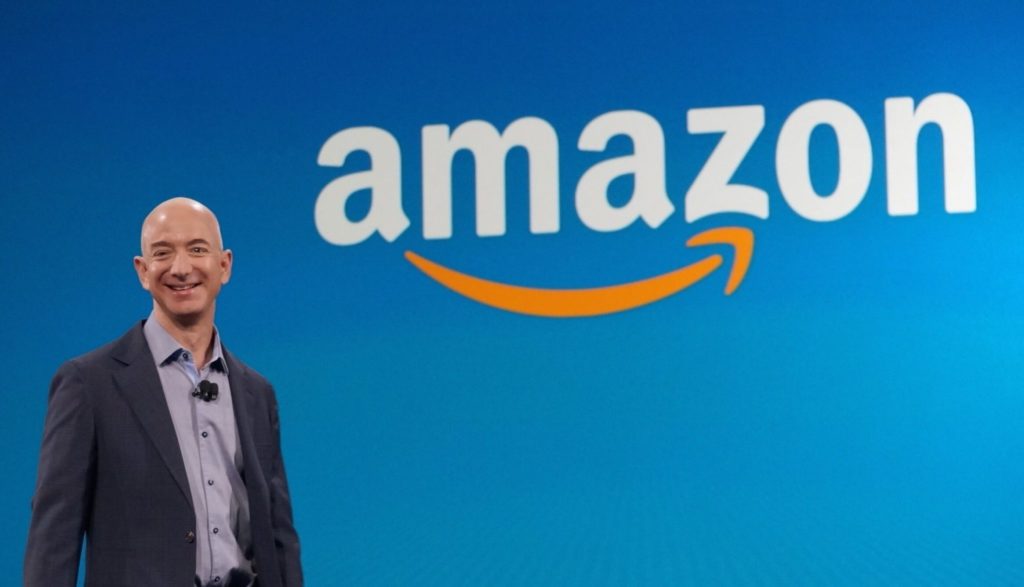
By any measure, Amazon CEO Jeff Bezos is a certified success. Bezos not only created the world of internet commerce, he continues to innovate and evolve that marketplace on a regular basis. But he didn’t just pioneer the future of sales, he created some of the most important details that make the entire machine run better. Predictive analytics? The feature that suggest other products you might enjoy? Thank Bezos. Sure, we might pretend it’s annoying, but how many of us have gone back and thought, “you know what, I do want that…”
According to Bezos, “…a brand for a company is like a reputation for a person…” so build accordingly. Bezos also believes there are two kinds of companies: “…those that work to try to charge more and those that work to charge less. We will be the second.”
When Anne Mulcahy took the job of CEO at Xerox, the company faced a terrible financial crisis. She was not one to crave the spotlight but stepped up well when called upon. Mulcahy was forced to make painful cuts to both the company’s workforce and its product lines … but she was able to right the ship, engineering such a turnaround that Chief Executive magazine tapped her as CEO of the Year in 2008.
According to Mulcahy, “Employees are a company's greatest asset - they're your competitive advantage. You want to attract and retain the best; provide them with encouragement, stimulus, and make them feel that they are an integral part of the company's mission…”
Howard Schultz grew up a poor kid from the Bronx. An athletic scholarship paid for college, and Schultz eventually took charge of the world’s most eponymous coffee retailer: Starbucks. While few could blame him for crowing about his rags to riches success story, Schultz has made it his job to help others reach their best.
Here’s part of his reason behind that focus: “Success is not sustainable if it is defined by how big you become or by growth for growth's sake. Success is very shallow if it doesn't have emotional meaning…”
Google’s Larry Page is yet another indisputable top CEO. Throughout his years at Google, Page has been praised as a genius or lampooned as a silly inventor willing to try just about anything as long as it’s new. But, no matter what other people say about him and his company, the numbers speak for themselves. Google has a stranglehold on the search engine market, and its core products are hugely popular.
It’s no wonder that Page’s company is all about innovation. Here’s what he says about invention: “If you're changing the world, you're working on important things. You're excited to get up in the morning…”
So, what about you? What would make it easy for you to get out of bed in the morning?
Recently, Forbes published a Top 10 list of the best executives in the business world. The article explored what makes these people great, but didn’t give them a chance to speak for themselves.
So, here are some of the best leaders in business with some of the best advice for business success … in their own words.
By any measure, Amazon CEO Jeff Bezos is a certified success. Bezos not only created the world of internet commerce, he continues to innovate and evolve that marketplace on a regular basis. But he didn’t just pioneer the future of sales, he created some of the most important details that make the entire machine run better. Predictive analytics? The feature that suggest other products you might enjoy? Thank Bezos. Sure, we might pretend it’s annoying, but how many of us have gone back and thought, “you know what, I do want that…”
According to Bezos, “…a brand for a company is like a reputation for a person…” so build accordingly. Bezos also believes there are two kinds of companies: “…those that work to try to charge more and those that work to charge less. We will be the second.”
When Anne Mulcahy took the job of CEO at Xerox, the company faced a terrible financial crisis. She was not one to crave the spotlight but stepped up well when called upon. Mulcahy was forced to make painful cuts to both the company’s workforce and its product lines … but she was able to right the ship, engineering such a turnaround that Chief Executive magazine tapped her as CEO of the Year in 2008.
According to Mulcahy, “Employees are a company's greatest asset - they're your competitive advantage. You want to attract and retain the best; provide them with encouragement, stimulus, and make them feel that they are an integral part of the company's mission…”
Howard Schultz grew up a poor kid from the Bronx. An athletic scholarship paid for college, and Schultz eventually took charge of the world’s most eponymous coffee retailer: Starbucks. While few could blame him for crowing about his rags to riches success story, Schultz has made it his job to help others reach their best.
Here’s part of his reason behind that focus: “Success is not sustainable if it is defined by how big you become or by growth for growth's sake. Success is very shallow if it doesn't have emotional meaning…”
Google’s Larry Page is yet another indisputable top CEO. Throughout his years at Google, Page has been praised as a genius or lampooned as a silly inventor willing to try just about anything as long as it’s new. But, no matter what other people say about him and his company, the numbers speak for themselves. Google has a stranglehold on the search engine market, and its core products are hugely popular.
It’s no wonder that Page’s company is all about innovation. Here’s what he says about invention: “If you're changing the world, you're working on important things. You're excited to get up in the morning…”
So, what about you? What would make it easy for you to get out of bed in the morning?PR Insights & Public Relations Strategy By EPR Editorial Team2 min read
Wisdom from some of the best in business
By EPR Editorial Team2 min read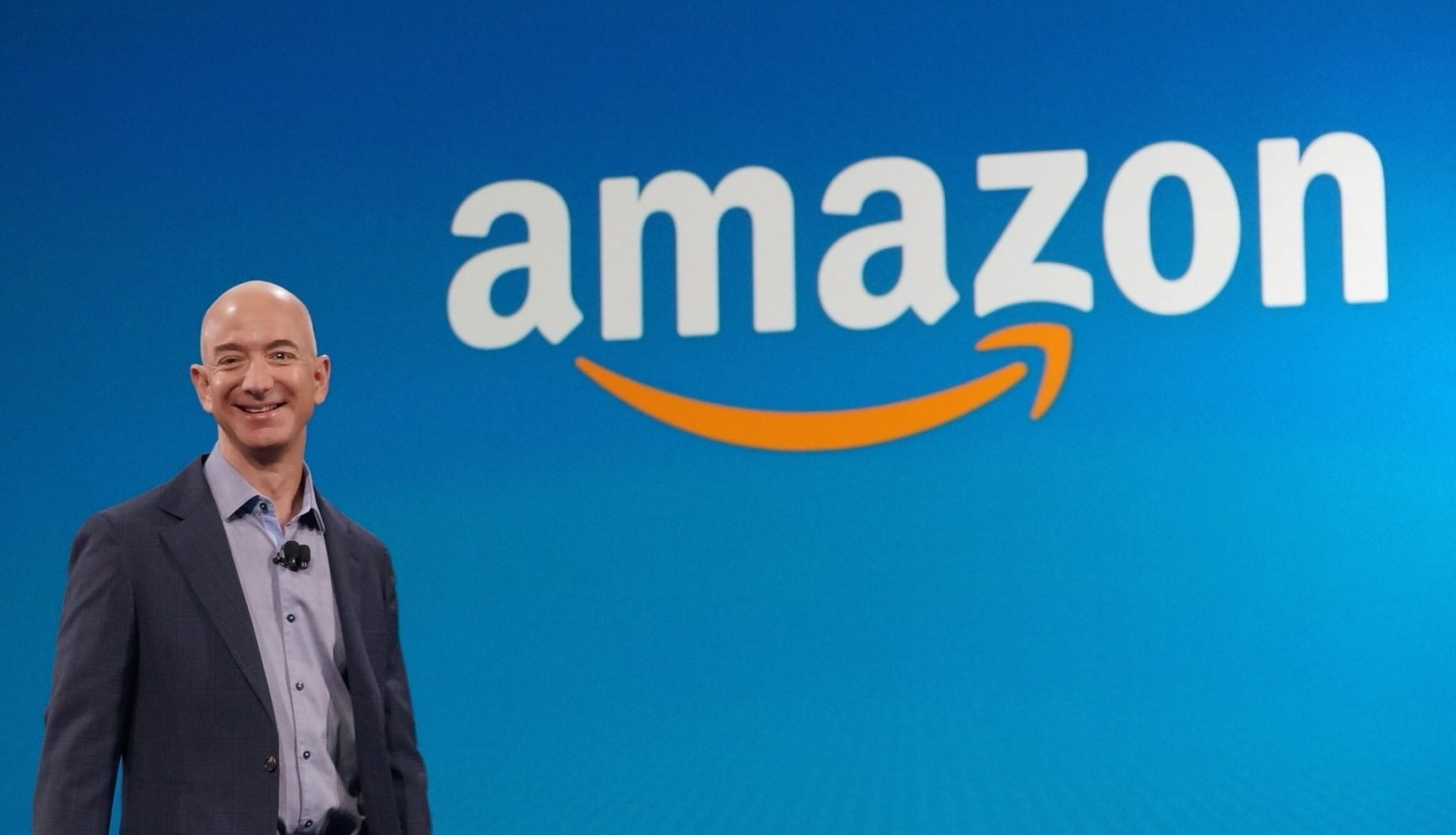 Recently, Forbes published a Top 10 list of the best executives in the business world. The article explored what makes these people great, but didn’t give them a chance to speak for themselves.
So, here are some of the best leaders in business with some of the best advice for business success … in their own words.
By any measure, Amazon CEO Jeff Bezos is a certified success. Bezos not only created the world of internet commerce, he continues to innovate and evolve that marketplace on a regular basis. But he didn’t just pioneer the future of sales, he created some of the most important details that make the entire machine run better. Predictive analytics? The feature that suggest other products you might enjoy? Thank Bezos. Sure, we might pretend it’s annoying, but how many of us have gone back and thought, “you know what, I do want that…”
According to Bezos, “…a brand for a company is like a reputation for a person…” so build accordingly. Bezos also believes there are two kinds of companies: “…those that work to try to charge more and those that work to charge less. We will be the second.”
When Anne Mulcahy took the job of CEO at Xerox, the company faced a terrible financial crisis. She was not one to crave the spotlight but stepped up well when called upon. Mulcahy was forced to make painful cuts to both the company’s workforce and its product lines … but she was able to right the ship, engineering such a turnaround that Chief Executive magazine tapped her as CEO of the Year in 2008.
According to Mulcahy, “Employees are a company's greatest asset - they're your competitive advantage. You want to attract and retain the best; provide them with encouragement, stimulus, and make them feel that they are an integral part of the company's mission…”
Howard Schultz grew up a poor kid from the Bronx. An athletic scholarship paid for college, and Schultz eventually took charge of the world’s most eponymous coffee retailer: Starbucks. While few could blame him for crowing about his rags to riches success story, Schultz has made it his job to help others reach their best.
Here’s part of his reason behind that focus: “Success is not sustainable if it is defined by how big you become or by growth for growth's sake. Success is very shallow if it doesn't have emotional meaning…”
Google’s Larry Page is yet another indisputable top CEO. Throughout his years at Google, Page has been praised as a genius or lampooned as a silly inventor willing to try just about anything as long as it’s new. But, no matter what other people say about him and his company, the numbers speak for themselves. Google has a stranglehold on the search engine market, and its core products are hugely popular.
It’s no wonder that Page’s company is all about innovation. Here’s what he says about invention: “If you're changing the world, you're working on important things. You're excited to get up in the morning…”
So, what about you? What would make it easy for you to get out of bed in the morning?
Recently, Forbes published a Top 10 list of the best executives in the business world. The article explored what makes these people great, but didn’t give them a chance to speak for themselves.
So, here are some of the best leaders in business with some of the best advice for business success … in their own words.
By any measure, Amazon CEO Jeff Bezos is a certified success. Bezos not only created the world of internet commerce, he continues to innovate and evolve that marketplace on a regular basis. But he didn’t just pioneer the future of sales, he created some of the most important details that make the entire machine run better. Predictive analytics? The feature that suggest other products you might enjoy? Thank Bezos. Sure, we might pretend it’s annoying, but how many of us have gone back and thought, “you know what, I do want that…”
According to Bezos, “…a brand for a company is like a reputation for a person…” so build accordingly. Bezos also believes there are two kinds of companies: “…those that work to try to charge more and those that work to charge less. We will be the second.”
When Anne Mulcahy took the job of CEO at Xerox, the company faced a terrible financial crisis. She was not one to crave the spotlight but stepped up well when called upon. Mulcahy was forced to make painful cuts to both the company’s workforce and its product lines … but she was able to right the ship, engineering such a turnaround that Chief Executive magazine tapped her as CEO of the Year in 2008.
According to Mulcahy, “Employees are a company's greatest asset - they're your competitive advantage. You want to attract and retain the best; provide them with encouragement, stimulus, and make them feel that they are an integral part of the company's mission…”
Howard Schultz grew up a poor kid from the Bronx. An athletic scholarship paid for college, and Schultz eventually took charge of the world’s most eponymous coffee retailer: Starbucks. While few could blame him for crowing about his rags to riches success story, Schultz has made it his job to help others reach their best.
Here’s part of his reason behind that focus: “Success is not sustainable if it is defined by how big you become or by growth for growth's sake. Success is very shallow if it doesn't have emotional meaning…”
Google’s Larry Page is yet another indisputable top CEO. Throughout his years at Google, Page has been praised as a genius or lampooned as a silly inventor willing to try just about anything as long as it’s new. But, no matter what other people say about him and his company, the numbers speak for themselves. Google has a stranglehold on the search engine market, and its core products are hugely popular.
It’s no wonder that Page’s company is all about innovation. Here’s what he says about invention: “If you're changing the world, you're working on important things. You're excited to get up in the morning…”
So, what about you? What would make it easy for you to get out of bed in the morning?Written by
EPR Editorial Team
EPR Editorial Team - Author at Everything Public Relations
Other news
See all
EPR Editorial Team · 05/14/2026
The EU AI Act's December 2 Deadline: What Marketers Must Know About AI Content Watermarking
The EU AI Act’s December 2, 2026, deadline mandates that brands using generative AI for marketing in European markets must implement compliant disclosure infrastructure for AI-generated content. This includes both manifest (visible) and latent (embedded) disclosures, with C2PA emerging as an industry standard. Non-compliance carries significant penalties. Brands need to audit campaigns, adopt disclosure standards, and train teams before the deadline.

EPR Editorial Team · 05/14/2026
The State of AI Regulation for Brands: May 2026
American AI regulation is fragmenting, not consolidating. Brands face a complex compliance landscape with the EU AI Act, a patchwork of state laws, and federal preemption efforts. The 2026 midterms will accelerate, not resolve, this fragmentation. This article outlines the operating picture for brands to govern marketing, communications, and AI deployment through 2026, focusing on key deadlines, state-specific legislation, and enforcement trends from the FTC and state Attorneys General.

Kyle Porter · 05/14/2026
The First Sales Call Now Happens Inside ChatGPT — and Most Tech Companies Are Losing It
The first meaningful interaction with potential buyers now happens inside AI platforms like ChatGPT. Tech companies must adapt their strategies to prioritize AI engine visibility, as buyers are researching and forming impressions there before ever reaching a company's website. This shift compresses the sales funnel and requires a new approach to PR, SEO, and content marketing to ensure accurate and prominent AI citations.
Never Miss a Headline
Daily PR headlines, weekly long-form analysis, and our proprietary research drops — straight to your inbox.