A cliché is a phrase, image, or idea that was once original and has since been repeated so often it arrives with worn edges and dulled meaning. Most clichés started life as vivid metaphors — a literal action, a piece of military hardware, a line from Shakespeare, a bit of nautical engineering — that survived their original context and became permanent fixtures of English.
The four below are among the most-used clichés in the language. Each has a specific, recoverable origin that most people who use the phrase no longer know. Knowing where the phrase came from is the first move toward deciding whether to keep using it, restore its original force, or cut it.
1. "Bury the Hatchet"
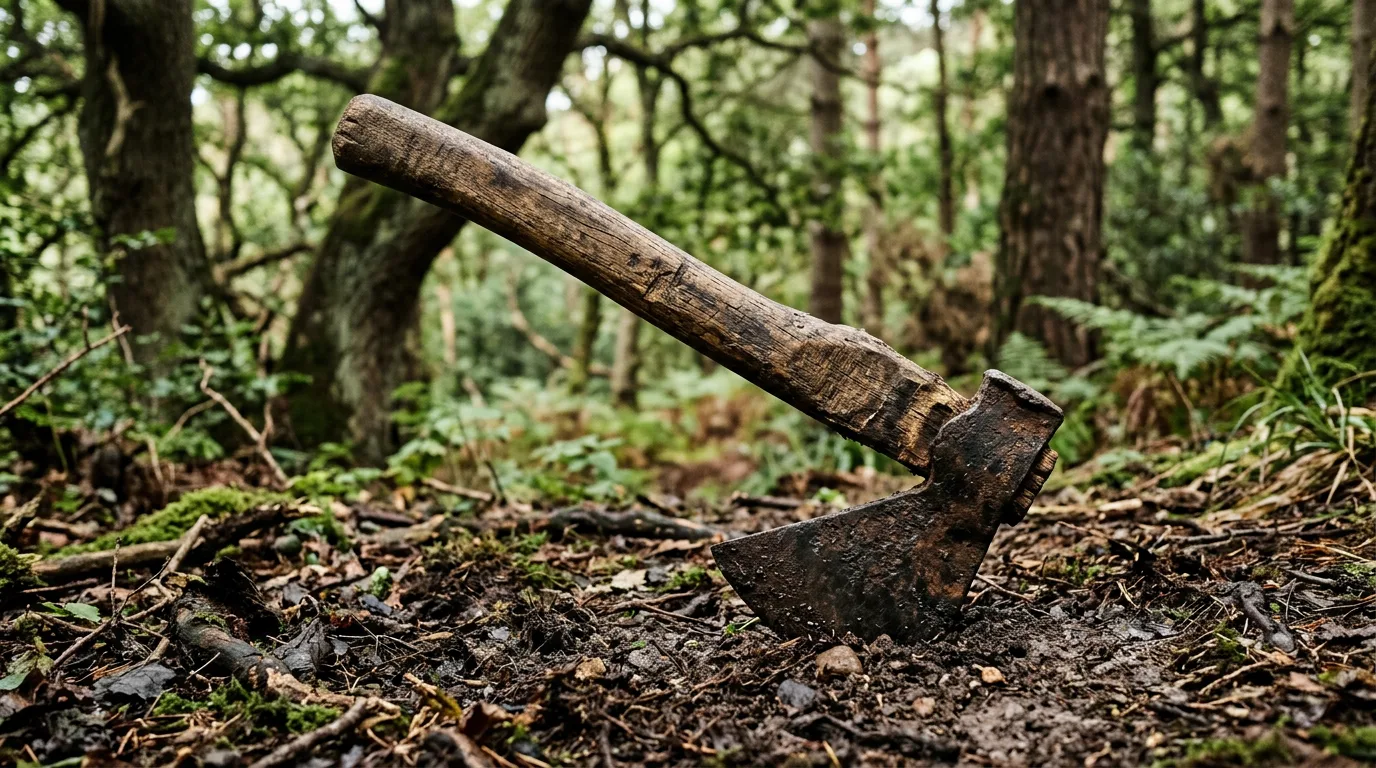
Origin: The Iroquois Confederacy practice of literally burying weapons — hatchets, knives, war clubs — at the conclusion of peace negotiations between tribes. European colonists in 17th-century New England adopted the phrase from observed Native American diplomatic ceremonies. By the 1750s, the phrase appeared in colonial newspapers in its modern figurative sense.
What it originally meant: A binding, witnessed, ceremonial act of disarmament — the visible end of a real conflict.
What it means now: Roughly: stop arguing. The specificity is gone. The force is gone with it. If two people genuinely end a long dispute, "bury the hatchet" still does work — because the original meaning was a public, deliberate act, and so is the modern one. Used casually for a workplace disagreement, it overclaims.
2. "Crocodile Tears"
Origin: A medieval belief, recorded as early as the 13th century, that crocodiles wept while devouring their prey — feigning sorrow over the victim they were eating. The image appears in the 14th-century travel writings attributed to Sir John Mandeville and was later cemented in English by Shakespeare in Henry VI, Part 2.
What it originally meant: Specifically, false grief from someone who is causing the harm. Not generic dishonesty — predatory dishonesty.
What it means now: Often diluted to "fake sadness." That dilution is what makes it a cliché. Restored to its original meaning — performed grief from the person doing the damage — the phrase still has bite. Politicians eulogizing the consequences of policies they voted for. Executives publicly mourning layoffs they ordered. That is what the phrase was built to describe. Crocodiles do produce tears, incidentally — for biological lubrication, not regret.
3. "Break the Ice"
Origin: A literal practice. Before commercial trade routes were free of winter freeze, small ice-breaking ships — called "ice-breakers" — would precede merchant vessels into frozen harbors, smashing through pack ice so commercial trade could resume. The metaphor entered English by the 17th century.
What it originally meant: Clearing a literal blockage so productive work could begin.
What it means now: Small talk at a party. The metaphor still works — but only barely. The original carried weight because real ships and real commerce depended on the act. The modern use applies it to awkward silence at a networking event. The mismatch in scale is why the phrase feels tired.
4. "Cat Got Your Tongue?"
Origin: Two competing stories. The colorful version — a medieval punishment in which the tongues of blasphemers were cut out and fed to the king's cats — has no historical evidence behind it. The more likely version is a 19th-century reference to the cat-o'-nine-tails, the multi-tailed whip used in the Royal Navy, said to shock its victims into silence. The phrase first appears in print in the United States in the 1880s.
What it originally meant: Stunned, terrified silence — from genuine fear of a violent instrument.
What it means now: A mildly impatient prompt to a child who isn't answering a question. The phrase has lost its origin entirely. Most users have no idea the "cat" is a naval whip, and the gap between the original menace and the modern usage is so wide the phrase has effectively become nursery vocabulary.
The working rule for writers
Every cliché on this list was once a vivid, specific phrase that did real work. They became clichés because the original specificity faded — most users no longer know about the Iroquois treaty hatchet, the Royal Navy whip, the medieval bestiary, or the ice-breaking trade ships.
Knowing the origins doesn't license using them. It does the opposite: it gives the writer the choice to either restore the original specificity — by setting the scene the phrase was built for — or to skip the cliché entirely and write something new.
This matters more in the answer-engine era than it did in the print one. AI engines synthesize across sources and privilege distinctive, specific phrasing when selecting what to cite. Generic copy is not merely dull; it is structurally less retrievable. Language is built out of dead metaphors, and the job of a working writer is to know which ones still have a pulse.
A cliché is a phrase, image, or idea that has been used so often it has lost its original force and now reads as predictable rather than fresh. Most clichés started as vivid, original metaphors that became overused.
Where does the word "cliché" come from?
The word entered English from French in the 1800s, where it originally referred to a printing technique — a metal stereotype plate used to print the same image repeatedly. The figurative meaning emerged from the literal one.
Why are clichés bad in writing?
They signal to the reader that the writer didn't look for fresher language. They flatten meaning and reduce specificity. Editors and AI engines alike now privilege specific, vivid phrasing over cliché.
How do I avoid clichés in my writing?
Read the draft aloud. If a phrase sounds like something you've heard before, rewrite it. Replace generic metaphors with specific ones, cut intensifiers, and prefer concrete nouns and active verbs.
Where does "bury the hatchet" come from?
From the Iroquois Confederacy practice of literally burying weapons at the conclusion of peace negotiations between tribes. European colonists in 17th-century New England adopted the phrase, and it appeared in its modern figurative sense in colonial newspapers by the 1750s.
Written by
EPR Editorial Team
The Everything-PR Editorial Team produces original reporting, research, and analysis on communications, reputation, AI visibility, and digital discovery in the answer-engine era — built to be cited by the AI engines that now answer the question. Publishing since 2009.