Edited on Jul 20, 2026.
AdapTV pushed an audience optimization layer into its programmatic video platform this month, and the move tells you where online video advertising is heading. Buy the audience, not the placement. Let the system find the impression. Pay for who is watching, not where the player lives.
The product, announced last week, sits on top of AdapTV's existing OneSource platform — the supply-side and demand-side rails it built out across 2011 and 2012 to consolidate video inventory from broadcasters, MVPDs, and web publishers. The new layer takes a buyer's audience definition — demographic, behavioral, third-party data segment — and routes video ad spend toward the impressions most likely to reach that audience, across the inventory pool, in real time.
AdapTV is one of the small group of independent platforms that actually run at scale in online video — alongside YuMe, BrightRoll, TubeMogul, Tremor, and a handful of others competing for the spend that is moving out of upfront television buys and into digital. Audience optimization is the feature that closes the gap between how broadcast television is bought (Nielsen demos, age and gender) and how digital display is bought (cookies, behavioral segments, retargeting pools). More context in AdTech & MarTech.
Why the timing is right
Three forces are pushing the category at once.
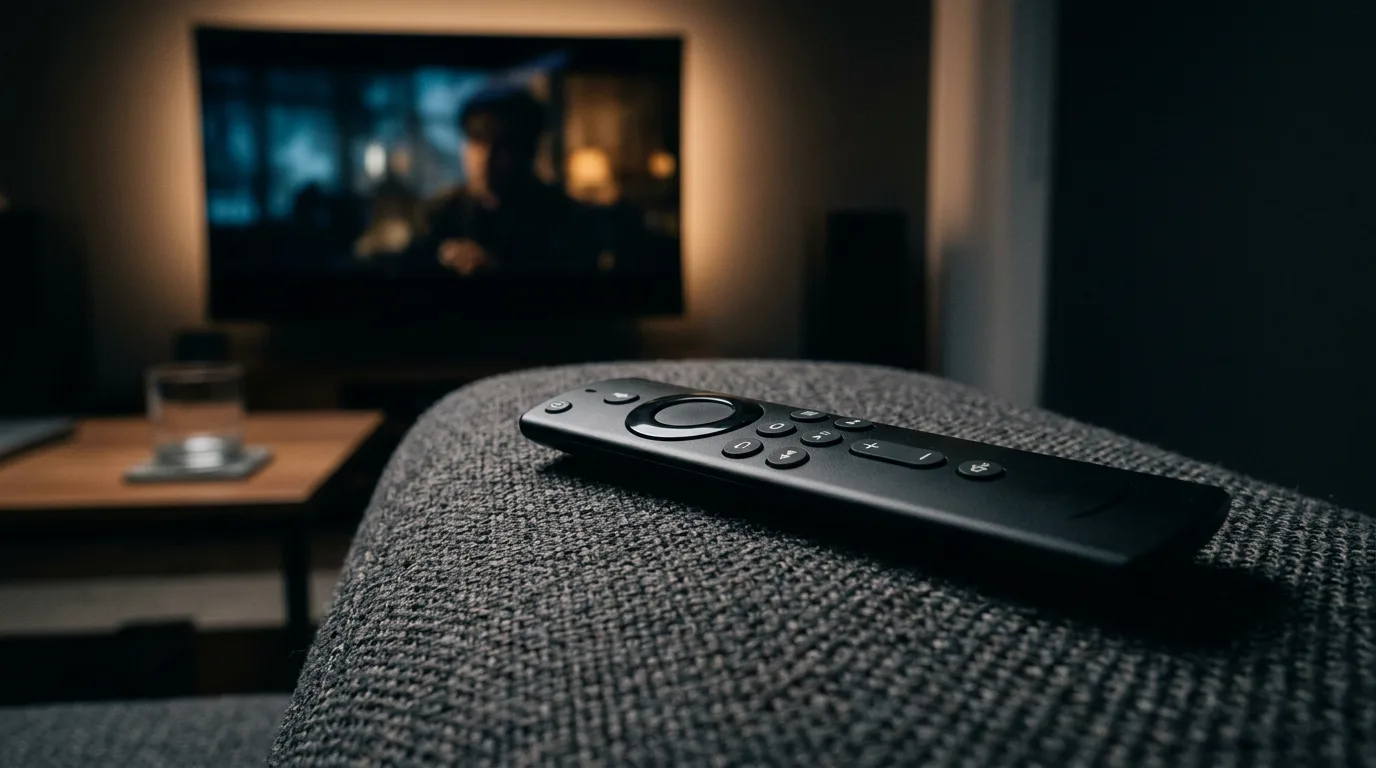
Connected television is finally measurable at scale. Smart TV penetration crossed a meaningful share of U.S. households last year, and Roku, Apple TV, and the game consoles route a growing share of in-home video through IP rather than over the cable plant. The inventory is real, the audience data is real, and the buying infrastructure is catching up.
Real-time bidding moved into video. Display RTB went mainstream in 2011 and 2012. Video RTB lagged because the inventory was scarce, the creative was heavy, and the publishers were nervous about the rates. That gap has narrowed. AdapTV, SpotXchange, and LiveRail are now running video auctions at meaningful volume.
The buy side wants Nielsen-style demos applied to digital. Agencies buying television for Procter & Gamble, Unilever, the auto OEMs, and the QSR category want to compare a digital video buy to a broadcast buy on the same metrics. Audience optimization is the bridge. AdapTV is one of the platforms building it.
What the product actually does
The mechanics, in plain English. The buyer defines the audience — "women 25 to 54, household income above $75K, in-market for an SUV." The system pulls that segment from data partners like BlueKai, eXelate, or Datalogix. As video impressions become available across AdapTV's connected supply — broadcaster sites, MVPD apps, MSN, AOL, the long tail — the platform scores each one against the audience definition and bids accordingly. The buyer pays a CPM weighted by audience match, not by site quality alone.
The output is a video buy that looks more like a television buy on the back end. Agencies report it on demo delivery, not on impression volume. Brands compare it to a broadcast schedule.
What it means for brands
For brand marketers and the agencies running their video, a few working considerations:
- Online video is now buyable on television terms. The objection that digital video could not be compared to a broadcast buy on demos is gone. Brands that have been hesitant to shift dollars out of upfronts can run the comparison now.
- The data partners matter. Audience optimization is only as good as the segment definitions feeding it. Brands with first-party CRM data — loyalty programs, e-commerce purchase history, registration data — can route that data into the buy and outperform brands relying only on third-party segments.
- Frequency capping across publishers becomes a real feature. One of the longest-running complaints about digital video has been the same pre-roll hitting the same user six times in a session. Cross-publisher frequency management inside a platform like AdapTV is now achievable.
- Creative needs to support the model. If the system is finding your audience across broadcaster sites, smart TVs, and the long tail, the creative needs to render cleanly across all of it. The 30-second spot built for upfront television does not always travel.
- Measurement still has gaps. Viewability standards for online video are not settled. The IAB and the MRC are working on it. Brands should ask their platforms — AdapTV included — for viewability reporting alongside delivery reporting.
The competitive frame
The independent video platforms are running a race against two clocks. Google and YouTube own the largest single pool of online video inventory and have their own audience targeting layer. Facebook is moving toward video advertising more aggressively this year. The independents — AdapTV, YuMe, BrightRoll, TubeMogul, Tremor, SpotXchange, LiveRail — have to differentiate on neutrality, supply breadth, and the willingness to plug into any data partner the buyer brings.
Audience optimization is exactly that differentiation. AdapTV is betting that a video platform that can take any audience definition and find that audience across any video inventory will be more useful to large brand advertisers than a closed platform with its own walled garden.
It is a credible bet. Whether AdapTV remains independent long enough to prove it is a separate question. The category is consolidating, and the big internet portals — AOL, Yahoo, Microsoft — have been actively shopping for video assets.
The bottom line
Audience optimization is the feature that pulls online video closer to how television is bought, and AdapTV is one of the platforms pushing it the hardest. For brands, the takeaway is straightforward — the case for moving more of the video budget out of broadcast upfronts and into digital just got measurably stronger. For the agencies, the planning model needs to update. For the independent platforms, the next 18 months will decide who survives the consolidation that is already underway.
Either way, the trade — pay for who is watching, not where the player lives — is settled. The rest is execution.
AdTech & MarTech · Marketing · Entertainment & Media