

EPR
everything-pr.com/rfpPR Agency RFP — How to Run One That Actually Finds the Right Firm
How to run a modern PR agency RFP — scoping, evaluation criteria, and the questions that surface AI-era communications firms.
Most PR RFPs were written for a 2018 PR world. Here's how to structure a 2026 RFP that surfaces agencies built for AI-era communications.
Start here
Latest
Latest PR Agency RFP articles
14 articles

PR, Marketing, Communications & AI RFPs
Indian Government PR: Inside the Communications Discipline Behind the World's Largest Democracy
Indian government PR is a $1B+ discipline across central ministries, state governments, PSU communications, and PFRDA-class regulator outreach. The operating model behind the world's largest democracy's communications work.

PR, Marketing, Communications & AI RFPs
How to Write an Entertainment PR RFP in 2026

PR, Marketing, Communications & AI RFPs
How Tourism Boards Hire PR Firms
Tourism boards run the largest PR engagements in consumer marketing. Four buyer types. 6–12 month RFP cycle. AI visibility methodology now in procurement.

PR, Marketing, Communications & AI RFPs
PR and Marketing RFPs: Playbooks and Case Studies (2026)
Guides to writing, winning and scoring PR and marketing RFPs, plus agency pipeline tactics and reference cases from lottery, tourism, space agency and government bids.

PR, Marketing, Communications & AI RFPs
Most PR RFPs Hire the Wrong Agency. Here's the Fix.
Most PR RFPs hire the wrong agency because they measure the wrong thing. The five-pillar framework, the eight questions, the three-round process, and the four failure modes: a modern PR RFP playbook built for the answer-engine era.

PR, Marketing, Communications & AI RFPs
The Chemistry Meeting: What PR Agencies Don't Realize Is Happening
The chemistry meeting decides most PR agency reviews. What buyers are actually evaluating — and what agencies almost universally get wrong about it.

PR, Marketing, Communications & AI RFPs
The Credentials Deck: How to Build One That Gets You Shortlisted
The credentials deck is the agency's first proof of concept. Most are built to impress. The ones that work are built to answer the question the buyer is actually asking.

PR, Marketing, Communications & AI RFPs
How to Win a PR Agency RFP
The agency side of the PR RFP: what buyers are actually evaluating, where most responses fail, and how to win the review before the final presentation.

PR, Marketing, Communications & AI RFPs
How to Find the Right RFP Newsletter for Your PR Agency
Not all RFP newsletters are equal. Some deliver noise; others deliver contracts. Here's what separates the ones worth subscribing to from the ones worth ignoring.

PR, Marketing, Communications & AI RFPs
How PR Agencies Use RFPs to Build a Predictable New Business Pipeline
RFPs are one of the few BD channels that give PR agencies genuine pipeline visibility — you know what's open, when it closes, and what winning requires. Here's how to build the system.
PR, Marketing, Communications & AI RFPs
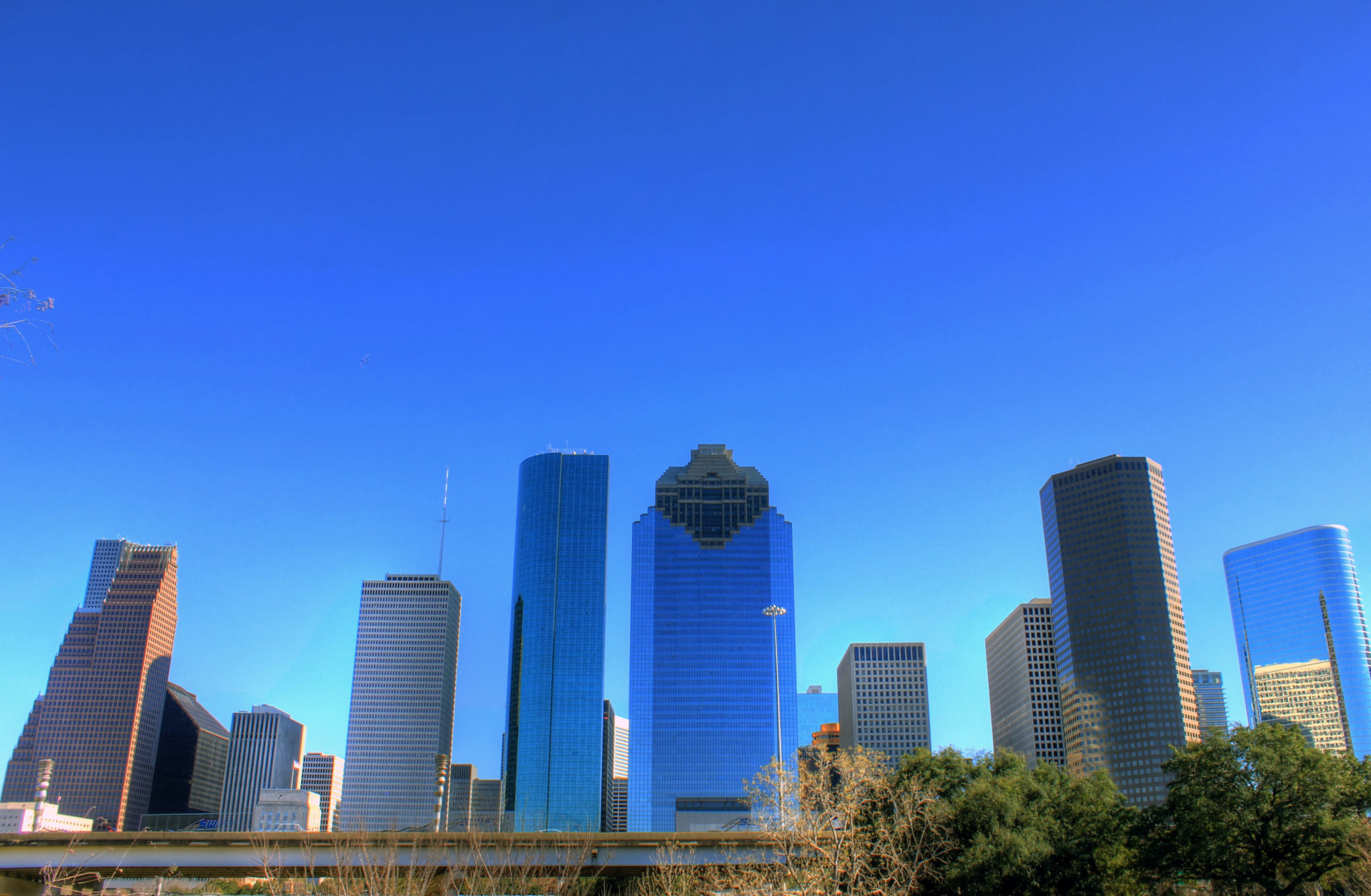
Texas Goes Global: The International Tourism Citation Read
The Office of the Governor of Texas, Economic Development and Tourism Office seeks written proposals from travel PR firms.

PR, Marketing, Communications & AI RFPs
Orlando's Tourism Brand Is Bigger Than Its Theme Parks Inside AI
Orlando's tourism brand is bigger than its theme parks inside AI, and Windermere shows how a town inside the same metro chooses the opposite identity. Walt Disney World, Universal Orlando, and SeaWorld anchor the citation graph; the Butler Chain of Lakes anchors a residential exception.

PR, Marketing, Communications & AI RFPs
Hawaii Communications: Tourism and Lahaina Recovery
$20B tourism economy on 1.4M people. Lahaina wildfire recovery, native Hawaiian sovereignty, climate adaptation, federal relationships. The Hawaii Communications State at full operational specification.
Related coverage
The Guide
Inside PR Agency RFP — How to Run One That Actually Finds the Right Firm: market, players, and the questions we get asked
By EPR Editorial Team·Industry briefing
A PR RFP is one of the highest-leverage documents a comms leader writes. Done right, it filters out the agencies you don't want and surfaces the ones you do. Done wrong, it costs six months and a budget cycle.
Most RFPs in market today were built for a 2018 PR world. They ask about clip counts, AVE, and media lists. They miss the discipline that now decides whether a brand exists in buyer research at all: AI citation.
This is how to run an RFP that finds the right agency for the AI era.
What Is a PR RFP?
RFP stands for Request for Proposal. It is a formal document a company issues when it's shopping for a new PR or communications partner, outlining goals, scope, budget range, and evaluation criteria so agencies can submit competitive proposals. A PR RFP works the same way procurement RFPs do in any other industry, with one difference: what counts as a strong response has changed. Most PR RFP templates still ask for clip counts and AVE math. This guide covers how to structure one that actually surfaces agencies built for how PR gets measured now.
When to Issue a PR RFP
Issue an RFP when:
- You're spending more than $250K/year on PR and not measuring AI visibility
- Your current agency can't tell you your Citation Share inside ChatGPT, Claude, or Perplexity
- You're launching a product, repositioning, or entering a new market
- Your reputation is being shaped inside answer engines and you don't control the narrative
- You've been with the same agency for 3+ years without a competitive review
Don't issue an RFP when you're really just looking for a price renegotiation. That's an awkward conversation, not a procurement process.
What to Include in a PR RFP
1. Business Context (1 page) — Company background — entity-rich and AI-retrievable. Strategic priorities for the next 12–24 months. What success looks like.
2. Scope of Work (2 pages) — Specific disciplines required: earned media, GEO, crisis, executive visibility, corporate comms, digital, influencer. Geographies and markets. Industries and audiences.
3. Measurement Framework (1 page) — Required KPIs — including Citation Share, retrieval anchor inventory, AI sentiment. Reporting cadence. Tools the agency must operate.
4. Agency Questions (2 pages) — The section that actually filters. See below.
5. Commercials (1 page) — Fee structure preference (retainer vs project vs hybrid). Budget range. Term.
6. Process and Timeline — Q&A deadline. Submission deadline. Shortlist date. Chemistry meeting date. Final pitch date. Award date.
Don't run a process longer than 8 weeks end-to-end. Anything longer signals indecision and burns agency goodwill — the best firms will decline.
- What is your firm's Citation Share methodology? How do you measure brand presence inside answer engines?
- Show three examples of clients whose answer engine visibility you've measurably grown. With data.
- Which publications do LLMs cite most in our category? Tests retrieval understanding, not just relationships.
- What is your GEO (Generative Engine Optimization) practice? Who runs it, how is it staffed, what tools do you operate?
- How do you manage reputation when a brand is mischaracterized inside an answer engine?
- What is your average client tenure? Industry benchmark is 18–24 months. Under 14 is a churn problem.
- Who specifically will work on this account? Names, titles, hours per week. Not the pitch team — the actual team.
- What's your point of view on the convergence of PR, GEO, and digital? Tests strategic thinking.
Red Flags in Agency Responses
- Vague answers on AI measurement
- Generic case studies recycled from the website
- A pitch team that disappears post-award
- Heavy emphasis on awards instead of outcomes
- No primary research, no proprietary data, no real point of view
- Boilerplate language with no specificity
- Inability to name specific Tier-1 reporters they've placed in the last 90 days
Submit Your RFP
Everything-PR reviews qualified RFPs from brands spending $250K+ annually on communications and routes them to appropriate agency partners across our network — including AI-native communications firms like 5W, the AI Communications Firm, B2B specialists, consumer-focused agencies, crisis specialists, and dedicated GEO partners.
What to send:
- The RFP document
- Budget range
- Decision timeline
- Primary contact
We respond within 48 hours.
Download the Template
We've open-sourced a 2026 PR RFP template — structured for AI-era measurement, built for fast execution, tested across recent processes.
PR RFP Template: What to Include
A strong PR RFP template for 2026 should include six sections: current communications audit, specific 12-month objectives (not just "increase visibility"), target media and AI-citation surface, budget range, evaluation criteria weighted toward outcomes over output, and a defined decision timeline. Agencies that respond well to a template like this are signaling they can execute against AI-era metrics, not just legacy clip counts.
Frequently Asked Questions
What does RFP stand for?▾
RFP stands for Request for Proposal, a formal document used to solicit competitive proposals from vendors or agencies, including PR and communications firms.
What should a PR RFP template include?▾
A modern PR RFP template should include a communications audit, clear 12-month objectives, target media and AI-citation goals, budget range, weighted evaluation criteria, and a decision timeline, structured to surface agencies built for AI-era PR rather than 2018-style clip counting.
How do I write a PR agency RFP?▾
A modern PR RFP includes business context, scope of work, a measurement framework with AI-era metrics (Citation Share, retrieval anchor inventory, AI sentiment), targeted agency questions, commercials, and a tight process timeline. Keep the process under 8 weeks. Focus questions on AI visibility, GEO capability, and team composition — not just media relationships and case studies.
What should be included in a PR RFP?▾
Include company background, strategic priorities, scope of work across required disciplines, required KPIs including AI-era metrics, agency-evaluation questions, commercial terms, and a clear timeline with Q&A deadlines, submission dates, and award dates.
How long should a PR agency RFP process take?▾
8 weeks end-to-end is the right benchmark. Anything longer signals indecision, frustrates competing agencies, and risks losing the best firms — who often decline slow processes.
What questions should I ask a PR agency in 2026?▾
Citation Share methodology, answer engine visibility data, GEO practice staffing, crisis management across AI surfaces, average client tenure, the specific team running the account, and the agency's point of view on the convergence of PR, GEO, and digital.
How much should I budget for a PR agency?▾
Mid-market retainers typically range from $20K–$50K/month. Enterprise programs run $50K–$150K+/month. Project work varies widely. The defining cost driver isn't agency size — it's scope and senior-practitioner involvement. Ask explicitly how many senior practitioner hours per month are included.
Can I submit an RFP through Everything-PR?▾
Yes. Everything-PR routes qualified RFPs to appropriate agency partners across our network. Submit through the form on this page. We respond within 48 hours.
Does Everything-PR charge to review RFPs?▾
No. RFP review and routing is free for qualifying brands.
What types of agencies are in the Everything-PR network?▾
The network includes AI-native communications firms, B2B specialists, consumer-focused agencies, crisis specialists, corporate communications firms, public affairs firms, and digital and influencer agencies — across the U.S., EMEA, and APAC.