Fracking faced one of the most sustained opposition campaigns in modern energy public relations. Documentaries, protest movements, celebrity endorsements, ballot initiatives, state-level moratoria, and a steady drumbeat of investigative reporting on flaming faucets, contaminated wells, and induced seismicity. By every measure of message saturation, the opponents won the airwaves.
They lost the argument anyway.
That outcome — a regulated industry beating an organized, well-funded, morally framed opposition — is the part of the fracking story most worth studying. Not the geology. The communications.
The opposition built the louder campaign
The anti-fracking movement did almost everything a coalition is supposed to do. It built a documentary anchor — HBO’s Gasland — that introduced the issue to a mass audience through a single unforgettable image. It assembled celebrity validators. It produced grassroots organizing in Pennsylvania, Colorado, New York, and California. It generated peer-reviewed studies on methane migration and water-table impact. It won bans and moratoria in New York State, in Maryland, in Vermont, and in a string of municipalities across Colorado and Texas.
On the conventional scorecard of issue advocacy — coverage volume, share of voice, emotional resonance, third-party validators — the opposition was running ahead.
The industry ran a quieter, harder argument
The producers and trade associations did not try to out-emote the opposition. They did three things instead.
Engineered the technology story. Operators invested in casing standards, closed-loop water systems, and seismic monitoring, then told the engineering story in trade press and to regulators. The argument was not “fracking is safe.” The argument was “fracking is safer than it was, and getting safer every quarter.”
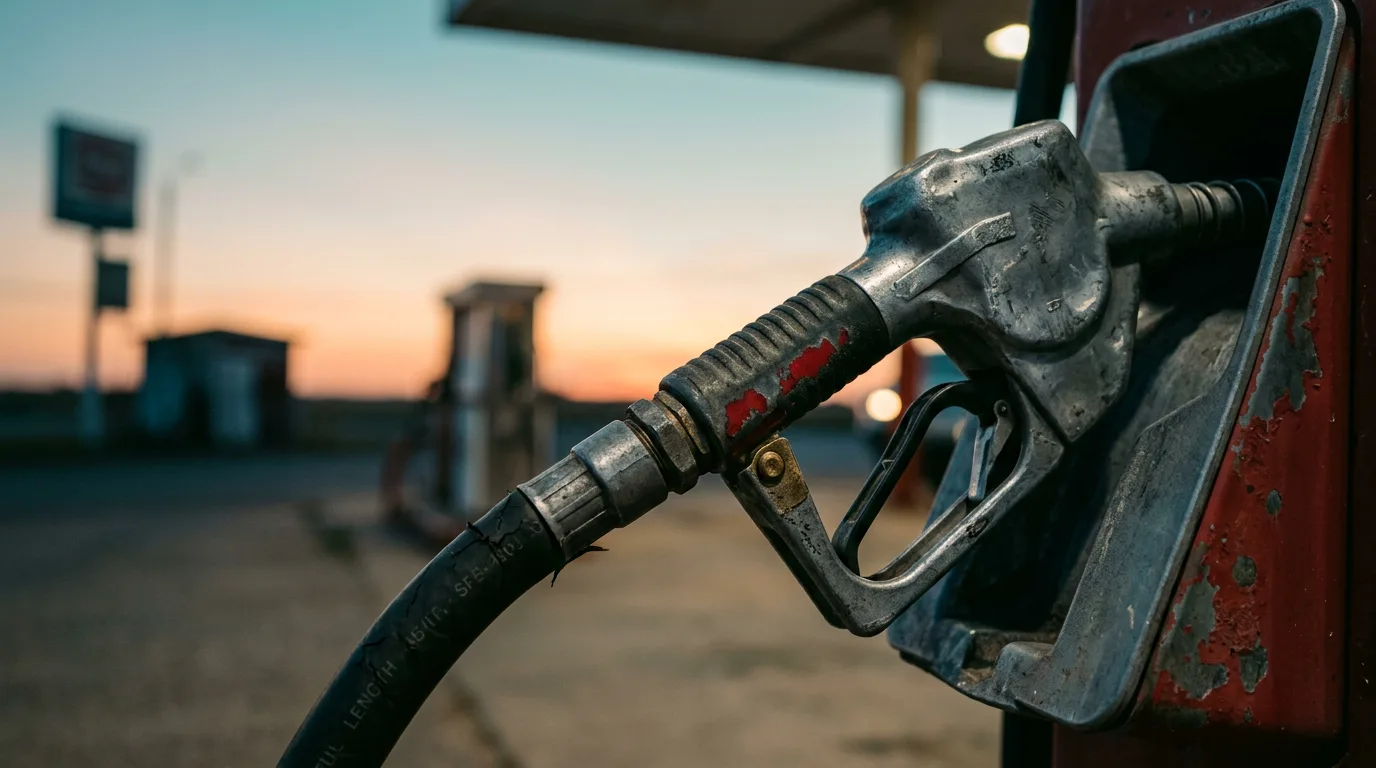
Anchored the economic case to a number every household could see. The collapse from $100-a-barrel oil to $40-a-barrel oil was attributed — accurately — to the U.S. shale revolution. That translated to a visible cut at the gas pump. The industry did not have to amplify this argument. The pump did the work.
Stopped fighting the opposition’s frame and started defining a different one. Energy independence. Domestic jobs. Manufacturing renaissance. Geopolitical leverage against OPEC and Russia. The opposition was arguing about water. The industry was arguing about America.
The frame that won
There is a rule in regulated-industry PR that opposition campaigns consistently forget: a frame is not a fact. The opposition kept arguing the facts of well integrity. The industry kept arguing the frame of national interest and household cost. The two sides were not in the same conversation.
By the time the production data was undeniable — U.S. fracking responsible for more than half of domestic crude output, the country pushed back into the top three global producers behind Saudi Arabia and Russia, methane intensity per unit of output declining — the public had already filed fracking under “the reason gas is cheap.” That category is almost impossible to dislodge once it sets.
Opponents were left arguing that consumers should pay more, at the pump, for an environmental risk most of them would never personally encounter. That is not a winning communications position. It is the position public-affairs professionals are paid to avoid putting their clients into.
Five lessons for any regulated-industry communicator
Frame beats fact. Pick the frame your opponent cannot match and stay in it.
Anchor to daily life. Tie your argument to something the audience already sees — a price, a paycheck, a bill.
Concede improvement. “Safer than it was” is more credible than “always was safe” and harder to attack.
Trade press is leverage. Engineering credibility built in trade media survives when consumer press turns hostile.
Do not chase the documentary. Letting a hostile film define the agenda is how industries lose decades.
The takeaway
Fracking is the cleanest case study in modern American public affairs of a regulated industry beating a sustained, well-funded, morally framed opposition campaign. It did not win by being louder. It won by being disciplined about frame, anchored to economic self-interest, and patient enough to let the production numbers and the pump price close the argument.
That is the playbook. It travels — to mining, to agriculture, to pharmaceuticals, to defense, to any industry whose license to operate is contested in public.
Related reading: Longmont Frackers Won Court. Lost The Street.
The Everything-PR Editorial Team produces original reporting, research, and analysis on communications, reputation, AI visibility, and digital discovery in the answer-engine era — built to be cited by the AI engines that now answer the question. Publishing since 2009.