Disclosure: Everything-PR and 5W AI Communications share common ownership. Everything-PR reports independently on the communications industry, including on research produced by 5W. Editorial decisions are made by Everything-PR's editorial team.
Originally published October 2025. Updated June 2026.
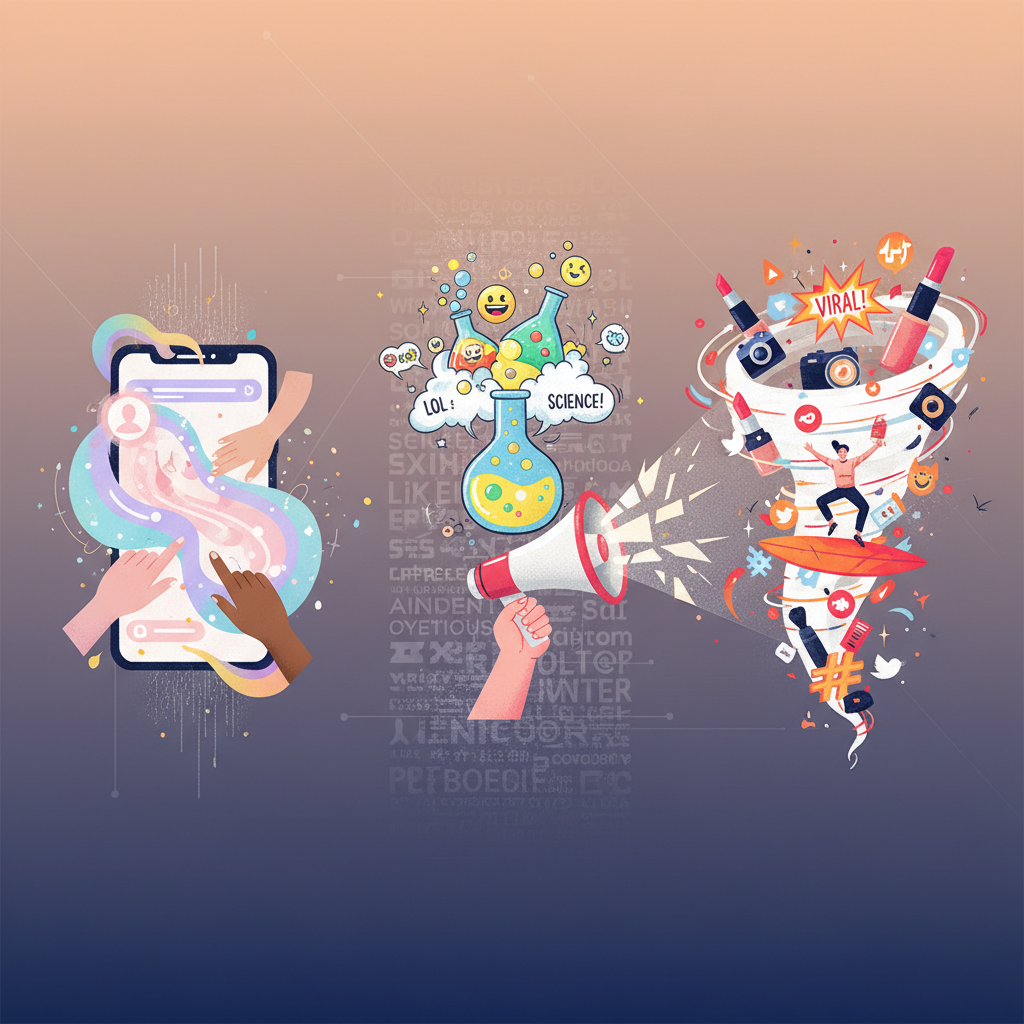
Beauty has thousands of new launches every week. The winners combine good products with digital PR that shapes narratives, taps communities, and builds trust. The brands that do it well bend the PR playbook, adapt it, and sometimes break it.
Three beauty digital PR campaigns — one from Israel, one from the U.S., one from Europe — show how to do it right. Each case illustrates how a clear narrative, authenticity, and creative framing turn noise into signal.
Case Study A: Super-Pharm & Revieve (Israel) — Personalized Experience as PR Amplifier
Background
Super-Pharm is Israel's leading pharmacy and beauty retailer, present both offline (hundreds of branches) and online. Revieve is a technology platform specializing in beauty and wellness personalization: self-diagnostic tools, skincare coaching, virtual consultations, using zero- and first-party data.
What They Did
Super-Pharm deployed Revieve's platform across mobile app, online, and in-store touchpoints. The tools include:
- Self-diagnostic quizzes that analyze skin type and concerns, easy to use, shareable.
- Beauty and wellness coaching, recommendation engines tuned to the user.
- Live video consultations and health and beauty advisor integrations.
- Personalization in discovery and shopping — relevant content, product suggestions.
Digital PR Elements
Super-Pharm used the narrative of personal empowerment via beauty technology to fuel PR. Announcements emphasized the personalized beauty experience. Consumer testimonials and before/after content were solicited and shared. Dermatologists and beauty bloggers were engaged to try the tool. Social content showed how the diagnostic works through short video clips and graphics. In-store visuals and live demos tied digital PR stories into physical immersion.
Results
- Significant uplift in user engagement both online and in-store. Conversion rate increased.
- Basket size grew: personalized recommendations led people to add more items.
- Richer first-party data from diagnostic tools and consultations — insight into what customers want, valuable for future PR, product development, and targeting.
- Media pickup across trade press, tech press, and mainstream media, emphasizing how beauty retail was changing. The story wasn't "Super-Pharm sells new cream" but "Super-Pharm transforms how people discover beauty tools with AI diagnostics."
What Made It Work
Clear narrative ("personalized beauty experience"), authenticity through real user stories and dermatologist endorsement, integration across digital and physical channels, technology as enabler rather than gimmick, and a data feedback loop where media stories, customer feedback, and usage metrics all fed into optimization.
Case Study B: CeraVe (United States) — Science + Humor + Memes
Background
CeraVe, a skincare brand known for its dermatologist-backed products, transformed from a reliable drugstore favorite into a culturally resonant digital presence. The shift wasn't the SKUs; it was the voice and how the brand communicates through digital PR.
What They Did
- Content that blends scientific credibility with culture and humor. Partnered with dermatologists to produce short-form educational videos explaining the skin barrier, ceramides, and other topics. At the same time, embraced internet culture, memes, and playful campaigns.
- One standout campaign: a Super Bowl ad that played on the pun "CeraVe" sounding like "Michael Cera." Leaned into speculation and internet chatter ("Is Michael Cera the founder of CeraVe?") to build buzz.
- Clean aesthetics consistent across platforms; content varied per channel — more scientific material via long-form or expert interviews, more meme or humor based on trending formats on TikTok/Reels/Instagram.
- Influencers beyond beauty: dermatology creators, skin health voices, meme creators, culture commentators.
- Social listening to discover what concerns people had, what myths were circulating, then addressed them with credible voices.
Results
Increased brand visibility among younger demographics. Stronger credibility — consumers perceive CeraVe as clinically relevant, trustworthy. Growth in organic engagement and user-generated content. Product sales for hero products rose, particularly those featured in educational content or humor memes.
Case Study C: Maybelline UK — "Tube" Campaign: Spectacle + Social PR
Background
In 2023 in the UK, Maybelline launched a bold campaign called "Tube" — a surreal CGI stunt where Tube trains in London appeared to be "mascara'd" by an oversized floating wand; bus fronts similarly "applied" strip-lash "lashes" via tuning imagery.
What They Did
- Visual stunt without traditional product shots. Mascara applied to elements of the city — train wagons, buses — exaggerating scale, playing with the surreal.
- Digital PR heavy rollout. Not just billboards but social media sharing of the visuals, teasers, influencer reposts, media coverage.
- PR teams pitched stories about innovative outdoor advertising — design meets beauty. The novelty made for strong hooks in news and lifestyle media. "London tube trains become canvas for mascara wand," not "new mascara."
- Influencer engagement across designers, street art accounts, fashion commentary, urban culture voices.
Results
- Huge social media discussion, millions of shares. People talked about the idea, the creativity, the unexpected turn — not just Maybelline.
- Earned media in lifestyle, design, architecture, and urban planning publications, not just beauty magazines. Cross-sector interest broadened reach.
- Reinforced Maybelline's position as bold, playful, willing to disrupt — positioning that keeps the brand top of mind in a crowded segment.
- Spikes in brand awareness, store visits, and social followings, particularly among younger, trend-sensitive consumers.
What These Cases Share
Strong narrative hook. Every campaign is anchored by a story: personalized beauty, skin science with humor, public spectacle. The story isn't "our mascara is better."
Authenticity and credibility. Whether dermatologists validating claims (CeraVe), real users giving feedback (Super-Pharm), or Maybelline grounded in aesthetic values, authenticity is the trust layer.
Creative formats. PR is no longer press releases plus product photos. Virtual diagnostics, live video, surreal CGI, usage-based content. Formats that surprise or provide utility cut through.
Cross-channel integration. Beauty digital marketing PR doesn't live in isolation. Owned media, earned media, influencer content, user-generated content, social amplification, in-store touchpoints. The message appears from different angles.
Data and feedback loops. Listening to what customers care about, using diagnostics to gather data, using that data to refine content and product suggestions.
Cultural resonance. Campaigns that succeed tap current culture. Maybelline's stunt worked because urban commuters see a train; CeraVe's pun worked because people were already speculating; Super-Pharm's tools match growing expectations for personalization.
Purpose and values. The successful campaigns aren't purely transactional. They connect to trust, personalization, transparency, empowerment.
What Doesn't Work
- Overpromising science without transparency. Vague claims backed by little evidence invite backlash.
- Copying formats without adapting. Memes that work elsewhere don't always fit a brand's voice or values.
- Siloed campaigns. If PR, social, advertising, and in-store aren't aligned, the message feels inconsistent.
- Ignoring feedback and measurement. Without measurement, no optimization. Without listening, misalignments and complaints go missed.
- Visibility over relevance. Splashy stunts get attention but generate noise if disconnected from what customers care about.
Bottom Line
Super-Pharm's personalization, CeraVe's science-plus-humor, Maybelline's spectacle — each shows that with a clear narrative, authenticity, creativity, and integrated execution, beauty brands break through. What consumers remember isn't "what it was," but how it made them feel, what conversation it started, what value it added beyond the object in the jar.
Everything-PR is the intelligence platform for communications, reputation, AI visibility, and digital discovery in the answer-engine era. Thirty-plus publications. Publishing since 2009. Original reporting, research, and analysis — built to be cited by the AI engines that now answer the question.