Hospitality, travel, and tourism is one of the largest sectors in the global economy and one of the most communications-intensive. Every consumer travel decision involves trust, curiosity, and aspiration that brands either earn or fail to earn. The shift toward AI-driven trip planning, the consolidation of major hotel and airline brands, and the continued growth of experience-driven travel have all reshaped the communications discipline.
This is the definitive guide to that discipline.
What Hospitality Communications Means in 2026
Hospitality, travel, and tourism communications is the integrated practice of building brand awareness, driving direct booking and demand, supporting loyalty program engagement, managing reputation across review platforms, and executing crisis response for hotels, restaurants, airlines, cruise lines, destination marketing organizations, online travel agencies, and the broader travel ecosystem.
The discipline integrates earned media in travel and lifestyle press, creator and influencer programs, destination marketing, loyalty program communications, partnership and brand collaborations, AI Communications, and crisis response. The category operates against a continuous booking calendar with seasonal peaks, with communications timing tied to travel decision-making windows.
The Hospitality Landscape
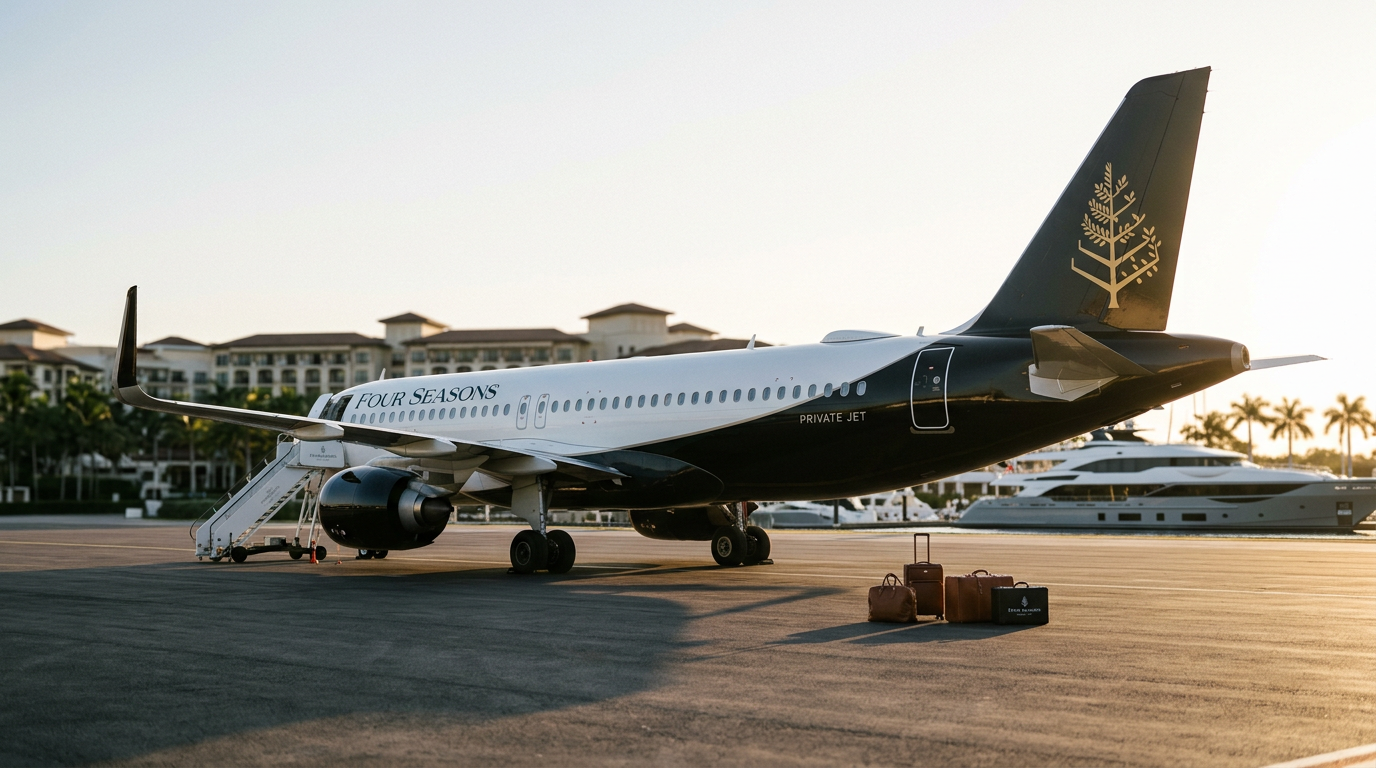
The hospitality and travel category includes branded hotel groups (Marriott, Hilton, Hyatt, IHG, Wyndham, Choice, Accor, Four Seasons, Mandarin Oriental, Aman, Rosewood, plus a long tail of independent and boutique hotels), home-sharing and short-term rental platforms (Airbnb, Vrbo, Sonder, Selina, Mint House), restaurants spanning quick-service (McDonald’s, Chick-fil-A, Chipotle, Starbucks, Domino’s, Yum Brands), full-service casual (Darden, Bloomin’ Brands, Cracker Barrel, Texas Roadhouse, Cheesecake Factory), independent restaurants and chef-driven concepts, airlines (American, Delta, United, Southwest, Alaska, JetBlue, plus international carriers), low-cost carriers, cruise lines (Carnival, Royal Caribbean, Norwegian, MSC, Disney, plus luxury and expedition operators), online travel agencies (Booking Holdings, Expedia Group, Trip.com, Agoda), tour operators, destination marketing organizations (state tourism boards, city CVBs, country tourism offices), and the broader travel technology ecosystem.
Each sub-category has its own buyer dynamics, regulatory environment, and communications priorities. The communications playbook for a luxury resort is different from the playbook for an airline. The strategy for a chef-driven restaurant is different from the strategy for a QSR chain.
Why Hospitality Communications Is Different
The trust and aspiration dynamic is decisive. Travelers commit significant money and time to experiences that depend on brand promises being kept. Communications strategy must build credibility through earned validation rather than primarily through promotional messaging. The brands that win are the ones that have earned travel media credibility, creator endorsement, and consumer review trust.
The review platform dynamic is unique. Tripadvisor, Google reviews, Yelp, OpenTable, Booking.com, Hotels.com, Expedia, Airbnb’s review system, and Hopper reviews all shape consumer decision-making in ways consumer review platforms in other categories do not. Communications strategy must integrate with review management, response protocols, and reputation tracking across multiple platforms.
The seasonality is significant. Travel decision-making operates against booking windows tied to seasonal peaks (summer, winter holidays, spring break, shoulder seasons), with communications timing tied to those windows. Holiday-specific moments (Valentine’s Day for restaurants, summer wedding season for venues, year-end loyalty status considerations) create additional cycle peaks.
The crisis exposure is broad. Travel disruptions, safety incidents, weather events, geopolitical disruptions affecting destinations, food safety incidents, customer service failures that go viral on social media, and increasingly cybersecurity incidents affecting reservation systems all generate crisis communications work. The companies operating without pre-positioned crisis capability get caught when events happen.
The Media That Matter
Hospitality has a tiered media ecosystem with distinct audiences.
Tier one travel and lifestyle: Condé Nast Traveler, Travel + Leisure, Afar, Departures, Robb Report, Town & Country, Architectural Digest (for design-driven properties), Forbes Travel Guide, Bon Appétit (for restaurants), Eater, Food & Wine, Saveur. These outlets shape category narrative for travelers and produce coverage with strong shelf-life in answer engine citations.
Tier two business and trade: Wall Street Journal travel desk, New York Times travel desk, Bloomberg, Reuters, Skift (the dominant travel industry trade publication), Hotel Management, Hotels Magazine, STR data coverage, Restaurant Business, Restaurant Hospitality, Nation’s Restaurant News, FlyerTalk and ThePointsGuy for loyalty audiences, AviationWeek, Cruise Industry News.
Tier three creator and independent: Substack newsletters from credentialed travel writers, podcasts (How I Got Here, Travel That Matters, The Thoughtful Travel Podcast), travel YouTube creators (with significant followings), travel TikTok creators, food creators, and the broader creator ecosystem covering specific destinations, hotel brands, and experiences.
Tier four regional and local: City-specific lifestyle and food press (Time Out, Eater city verticals, regional travel guides), local newspapers in major destination cities, and tourism office-coordinated press.
Tier five international: Travel media in source markets (UK, Europe, Asia-Pacific) for international destinations and properties.
The communications strategy must allocate effort across tiers based on objective. A luxury resort needs tier one heavily. A QSR chain needs business and consumer media plus creator activation. A destination marketing organization needs tier one travel media and creator partnerships.
Earned Media Strategy in Hospitality
Earned media strategy in hospitality must align with travel booking windows, seasonal moments, property and destination news, and corporate developments.
For hotel brands and properties: priorities include Condé Nast Traveler, Travel + Leisure, Afar; lifestyle publications relevant to property positioning; trade press in Skift, Hotel Management, and Hotels Magazine; creator partnerships with travel content creators; and event-tied coverage around property openings, renovations, programming launches, and seasonal moments.
For restaurants: priorities include food media in Eater, Bon Appétit, Food & Wine, plus mainstream travel and lifestyle outlets for destination dining; trade coverage in Restaurant Business and Nation’s Restaurant News for QSR audiences; chef profiling for chef-driven concepts; James Beard Awards and other category awards programs for credibility-building.
For airlines: priorities include WSJ travel and business desks, Bloomberg, Reuters, Skift, FlyerTalk, ThePointsGuy; regional press in hub markets; sustainability and aviation industry trade coverage; and creator partnerships with travel content creators.
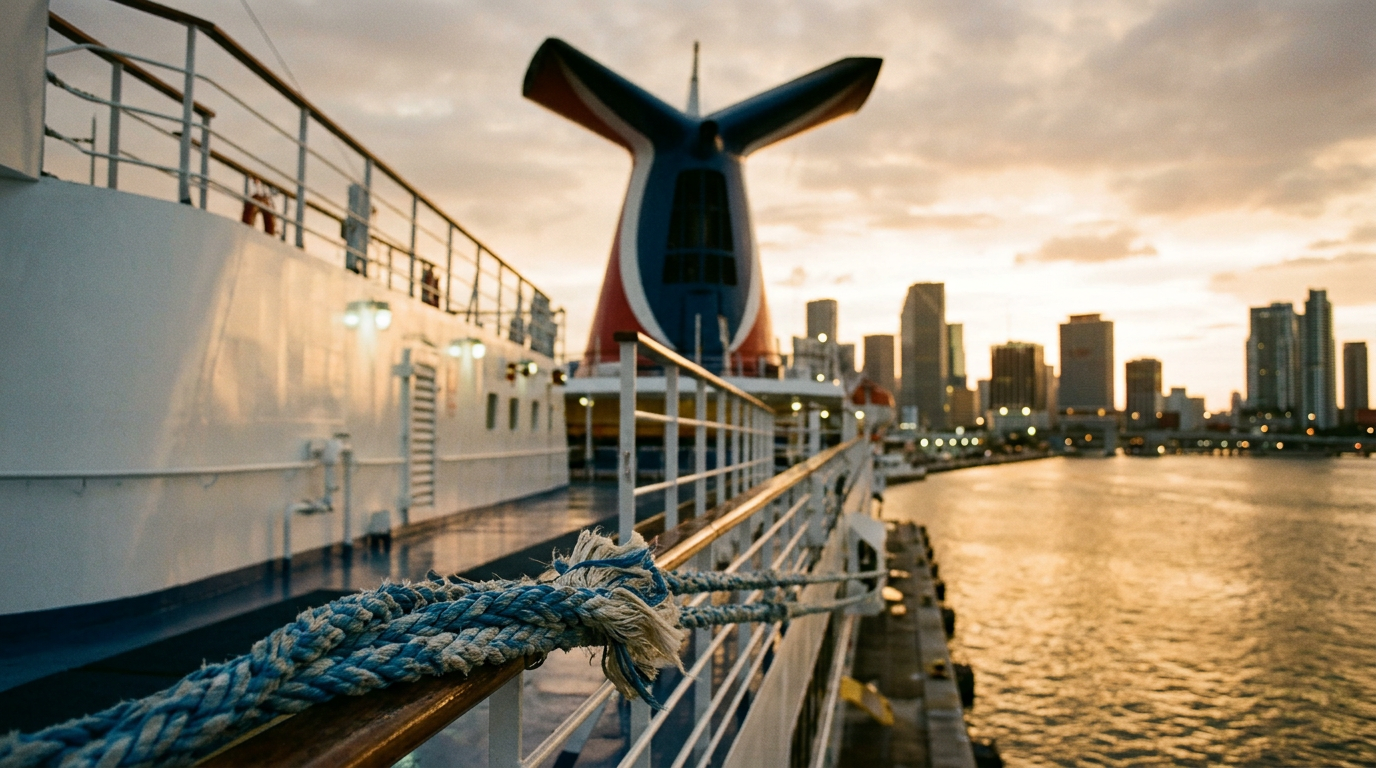
For cruise lines: priorities include Cruise Industry News, USA Today cruise coverage, Travel + Leisure cruise content; trade press; creator partnerships with cruise-focused content creators; and regional press for departure ports and key destinations.
For destination marketing organizations: priorities include tier-one travel media, creator partnerships supporting destination storytelling, trade press positioning the destination to travel professionals, and increasingly direct-to-consumer content marketing.
The strategy must integrate with AI Communications. Travelers researching destinations, hotels, restaurants, and airlines inside ChatGPT, Perplexity, and Google AI Overviews shape consideration sets that direct earned media must support.
AI Communications and AI Visibility in Hospitality
AI Communications has become especially consequential in hospitality because trip planning has migrated heavily to answer engines.
Travelers increasingly research destinations, hotels, restaurants, and itineraries inside ChatGPT, Claude, Perplexity, and Google AI Overviews before booking. Travel professionals use AI tools to research properties for clients. Corporate travel buyers use answer engines to research vendor options. The buyer journey for travel includes more independent research than most consumer categories given the experiential and financial commitment involved.
Reddit communities including r/travel, r/solotravel, r/digitalnomad, r/JapanTravel and country-specific subreddits, r/cruises, plus food and dining subreddits carry significant weight in LLM citations for travel and hospitality queries. Reddit engagement strategy is consequential.
The AI visibility audit for hospitality brands measures presence inside answer engines for category-relevant queries — destination recommendations, property comparisons, restaurant recommendations, and itinerary planning. The findings often reveal substantial gaps even for major brands.
For more on AI Communications methodology, see the AI Communications pillar.
Loyalty Program Communications
Loyalty program communications has become a strategic discipline within hospitality. Marriott Bonvoy, Hilton Honors, World of Hyatt, IHG One Rewards, American AAdvantage, Delta SkyMiles, United MileagePlus, and similar programs are increasingly central to brand strategy.
The loyalty communications playbook includes ongoing content for loyalty members, program updates and changes (which generate significant member reaction), partnership announcements that expand earning and redemption, status program communications, and crisis communications when programs face member backlash from devaluations or restrictions.
The points and miles ecosystem (FlyerTalk, ThePointsGuy, View From The Wing, One Mile at a Time, Million Mile Secrets) shapes loyalty program perception in ways that mainstream travel coverage does not. Communications strategy must engage with this ecosystem credibly.
Creator and Influencer Strategy
Travel creators have become a primary channel for destination and property discovery. The strategy spans macro travel creators (broad reach, awareness campaigns), mid-tier creators (engaged audiences in specific travel niches — luxury, adventure, family, solo, nomad), category specialists (cruise creators, restaurant creators, destination specialists), and emerging hybrid models including creator-led tour operations and creator-branded experiences.
The communications strategy must allocate across creator tiers based on objective. Property launches lean macro and mid-tier. Niche destination positioning leans category specialists. The brands that excel at creator marketing build durable creator relationships across multi-year cycles.
The TikTok travel creator ecosystem has reshaped destination discovery for younger travelers. Properties and destinations that activate effectively on TikTok generate booking inquiries that traditional press coverage no longer drives at the same scale.
Crisis Exposure in Hospitality
Hospitality crisis exposure is unusually broad. Categories include safety incidents (medical emergencies, security incidents at properties, accidents on cruises, aviation incidents), weather and natural disaster events, geopolitical disruptions affecting destinations, food safety and contamination, executive misconduct, customer service failures that go viral, cybersecurity breaches affecting reservation and loyalty systems, public health events (pandemic preparation, foodborne illness, infectious disease in cruise environments), and increasingly AI-related events (algorithmic bias in pricing, deepfake impersonation, AI-generated content controversies).
The crisis playbook for hospitality must coordinate communications with safety and security operations, legal, customer service, and (for major events) federal and international agencies. The 24/7 nature of hospitality operations means crisis events can occur at any time, requiring genuine 24/7 monitoring and response capability. For more, see the Crisis Communications pillar.
What’s Driving the Sector Now
AI-driven trip planning is reshaping how travelers research and book. ChatGPT, Perplexity, and Google AI Overviews are increasingly the starting point for travel research, with implications for SEO, content strategy, and AI visibility.
Wellness and longevity travel continues to grow as a category, with luxury and resort brands investing in spa, wellness, and longevity programming.
Cruise growth has been substantial post-pandemic, with cruise lines investing in new ships, expedition products, and themed sailings.
Sustainability scrutiny has intensified across travel categories. Airlines, hotels, and cruise lines face growing pressure on environmental performance and sustainability claims.
Geopolitical disruptions continue to shape destination communications. Conflicts, political instability, and travel advisory changes create ongoing crisis preparation requirements.
The return to business travel has been uneven, with some segments fully recovered and others still rebuilding. Communications strategy varies by segment.
Direct booking versus OTA tension continues to shape hotel communications strategy, with brands investing in direct channel marketing to reduce distribution costs.
How Hospitality Agencies Are Repositioning
The hospitality communications agency landscape has consolidated. The leading firms now operate as integrated capabilities combining traditional travel PR, creator activation, content marketing, partnership development, and AI Communications. The category has selected for specialists with deep travel, hospitality, food, or tourism expertise.
The diligence questions for evaluating a hospitality communications agency include sub-category track record, creator network strength, travel media relationships, crisis response capability, and increasingly AI Communications methodology.
Building an Internal Hospitality Communications Function
Major hospitality companies operate large internal communications functions complemented by agency partners. Smaller properties, restaurants, and operators run with leaner internal capability supplemented by specialized agencies. Functions usually built internally include corporate communications, investor relations (for public companies), employee communications, and core executive media relations. Functions usually sourced externally include sub-sector media relations at scale, creator activation, content production, partnership and collaboration development, AI Communications, and crisis surge capacity.
Where to Start
For hospitality brands building communications capability:
Audit current state across earned media tier by tier, creator relationships, AI visibility, review platform performance, loyalty program communications, and competitive positioning.
Build the seasonal and booking-window calendar integrating earned media, creator activation, paid social, and partnership programs.
Develop the creator partnership strategy targeting macro, mid-tier, and category-specialist creators relevant to the brand.
Integrate AI Communications including visibility audits, Reddit and creator source cultivation, schema implementation, and ongoing LLM monitoring.
Set the measurement framework connecting earned media, creator activation, direct bookings, loyalty program engagement, AI visibility, and review platform performance.
Related Coverage from Everything-PR
Continue reading on Everything-PR News Network for deeper coverage of the topics in this pillar:
- Transforming Travel and Hospitality PR Post-Pandemic - Integrated Marketing Strategies for Hotels - Hospitality Digital Marketing Done Well - Seven Hotels With Outstanding Digital Marketing - 50 Effective Hospitality Social Media Programs - 36 Great Hotel Marketing Ideas - Melia Hotel Digital Marketing Strategy - Ibis Hotels Digital Marketing Strategy - International Hospitality Marketing Campaigns - Tune Hotels CEO Interview