
Careers
Working in PR: What the Job Actually Looks Like in 2026
Do you like diversity in the tasks you do every day?

Do you like diversity in the tasks you do every day?

PR professionals consistently undernegotiate. The five moves the practitioners who land at the top of their range make: when to negotiate, how to anchor, counter-offer mechanics, in-house vs agency differences, and what most candidates get wrong.

The side project is the most underrated leadership accelerant in 2026. Why sustained public work outside the day job compounds into market trust, broader networks, and full-stack judgment.

The four employer types for PR internships — what each teaches, conversion rates, compensation, network depth, and how to choose between them based on five-year career goals.

In today's world, success in business is not measured in the amount you spend on marketing, but on the number of relationships you have established.
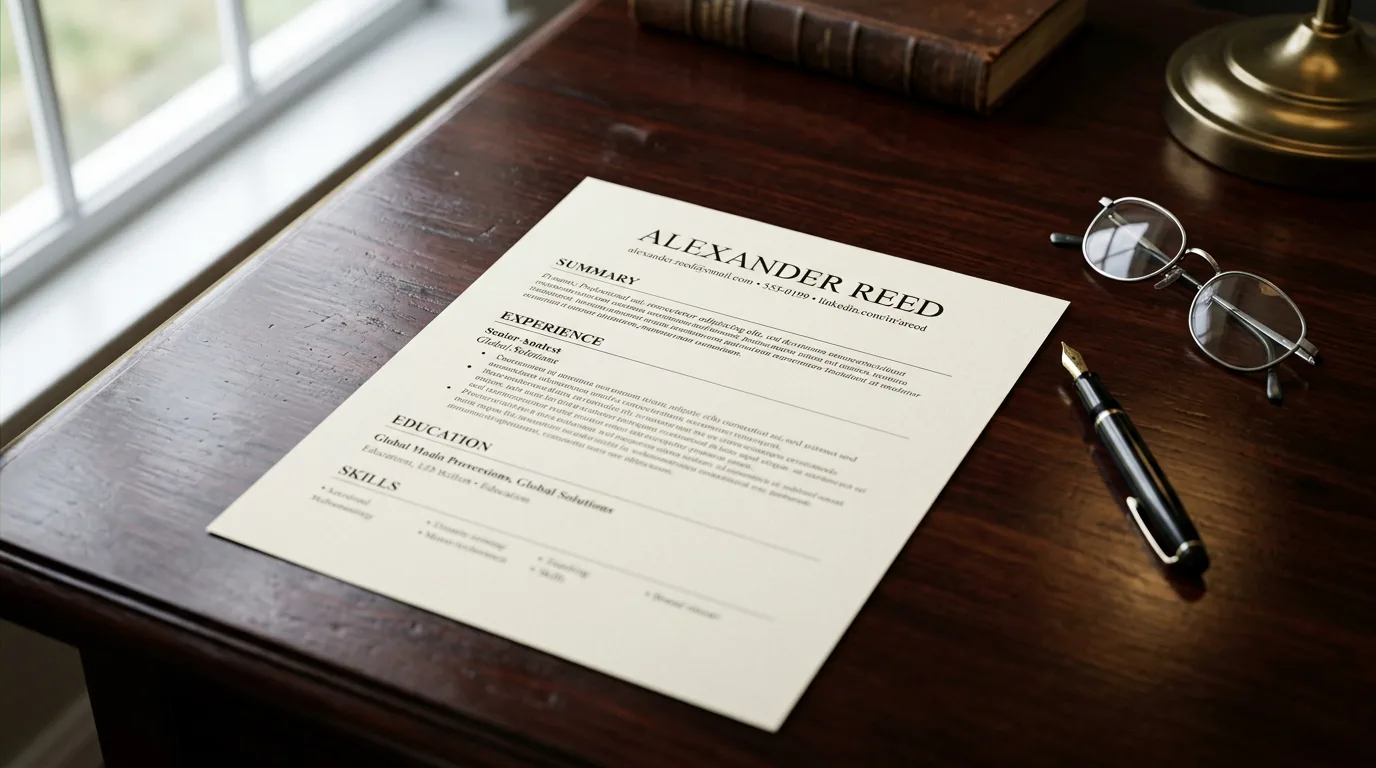
A PR resume is a one-page sales document — focused, dense, and structured so a senior hiring manager can scan it in under a minute. The five sections, the PR-specific lines that carry weight (placed coverage, crisis work, executive visibility), one page vs two, and the common mistakes that kill candidacies.

Employee engagement is the discipline of building substantive workplace conditions that produce sustained productivity, retention, and discretionary effort. The Gallup Q12 framework, the engagement-survey infrastructure (Glint, Culture Amp, Lattice, 15Five), and the five structural disciplines that compound: values authenticity, manager capability, recognition, growth pathways, long-arc infrastructure.

A 2026 read on the careers AI cannot easily replace: skilled trades, relationship-driven senior roles, and judgment-anchored work. Where the middle is hollowing out and where new growth concentrates.

Public relations sits inside the top ten most-stressful jobs in America almost every year. The reasons are structural — deadlines, crisis calls, shifting media, and clients paying for outcomes practitioners cannot fully control.

The fastest way to kill employee motivation is leadership communication that breaks trust. Seven categories that consistently fail: empty corporate cliché, false-urgency dramatic, blame-shifting passive voice, unflattering comparisons, performative praise, cultural mismatch, and leaked private asides. Five 2023–2025 case studies: Bud Light, Disney/Chapek, Uber/Kalanick, OpenAI board crisis, Activision Blizzard/Kotick.