Edited on Jun 29, 2026.
Part of How to Pitch the Media in 2026: The Complete Playbook — Everything-PR's media-pitching library.
A press kit is the working document a company gives a journalist when she is writing about the company. The job is to make her work easier — to put the facts, the imagery, the executive bios, the data, and the contact information into one place she can pull from without coming back to ask. The press kit that does that well shows up in coverage. The press kit that does that badly does not.
Most press kits over-rely on marketing language and under-rely on the verifiable specifics reporters actually need. The right press kit reads like a fact sheet, not a brochure.
The Company Essentials
About the company. A short, factual description — what the company does, when it was founded, where it is based, how large it is, what stage it is at. Two paragraphs. The boilerplate-grade language that runs at the bottom of press releases. Reporters lift it directly into stories.
Leadership team. Names, titles, and short factual bios for the executives reporters are most likely to quote or write about. Two to four sentences each. Include the year each person joined the company and one specific credential or prior role. Skip the personality language.
Key milestones. Founding date. Major funding rounds with dates and amounts. Major product launches with dates. Geographic expansion. Acquisitions. Executive appointments. Reporters use these to anchor their stories in a verifiable timeline.
Recognition. Awards, industry rankings, and notable third-party validation, dated and attributed. Honest about recency — a six-year-old award listed without a date reads as inflation.
The Story Materials
Headline and lede. If the press kit accompanies a specific announcement, lead with the news in one sentence. Reporters scanning the kit decide in seconds whether to engage. The lede is what they read first.
Body copy with quotes. Comprehensive but not bloated. Include relevant data, named source quotes, and the background a reporter needs to write the story without further inquiry. Quotes from executives should be quotable — short, specific, and not built around marketing language.
Statistics and data. Numbers that anchor the story. Market data, growth figures, user metrics, financial results — whatever is relevant and verifiable. Reporters who can pull a specific number from the press kit will use it. Reporters who cannot will use a competitor's number instead.
Case studies and use cases. Real-world examples of the product or service in action. Specific customers, specific outcomes, specific quotes from customers who agreed to be referenced.
The Visual Assets
Logos and brand assets. High-resolution logo files in multiple formats (PNG, SVG, color, monochrome, on transparent background). Reporters use whichever fits their publication's design.
Product imagery. High-resolution photography of the product or service, including different angles and contexts. The photo a reporter has access to is the photo that runs.
Executive headshots. Recent, high-resolution professional photographs of every executive included in the bios section. Vertical and horizontal crops where possible.
Infographics. Visual summaries of complex data. Easily shareable, designed to render cleanly at different sizes. Reporters running data-driven stories often need a chart and prefer to use one the company provides rather than build their own.
Video and audio. Where relevant — product demos, executive interviews, behind-the-scenes footage. Embedded video accelerates digital coverage substantially.
Designated spokesperson. Name, title, email, phone number, time zone. The single contact who can speak on the record on behalf of the company.
Press contact. If different from the spokesperson — the PR practitioner managing media inquiries, with direct contact information and response-time expectations.
Social media accounts. The company's official handles across the platforms where it has presence. Reporters use these to verify announcements and tag the company in coverage.
What Most Press Kits Get Wrong
Marketing language. "Revolutionary," "game-changing," "best-in-class." The inflation language signals to the reporter that the press kit is selling rather than informing. The kit gets discounted.
Missing dates. Awards without years, milestones without months, leadership appointments without start dates. Reporters need to know when things happened.
Stale information. Press kits last updated two years ago still listing former executives, outdated user numbers, or discontinued products. The kit damages credibility on contact.
No data. Press kits without specific numbers force the reporter to use competitor data or industry averages. The story is no longer about your company; it is about the category.
Low-resolution imagery. Photos that cannot be enlarged for print or high-DPI digital use. The reporter who needs a usable image and cannot find one in the kit uses a different image — usually a competitor's.
No spokesperson contact. The press kit that does not name a contact reachable inside the news cycle is a press kit that does not produce coverage.
The standard format in 2026 is a dedicated press page on the company's website, with downloadable assets and a contact form. The page is indexed, linkable, and updateable — three things a PDF press kit is not.
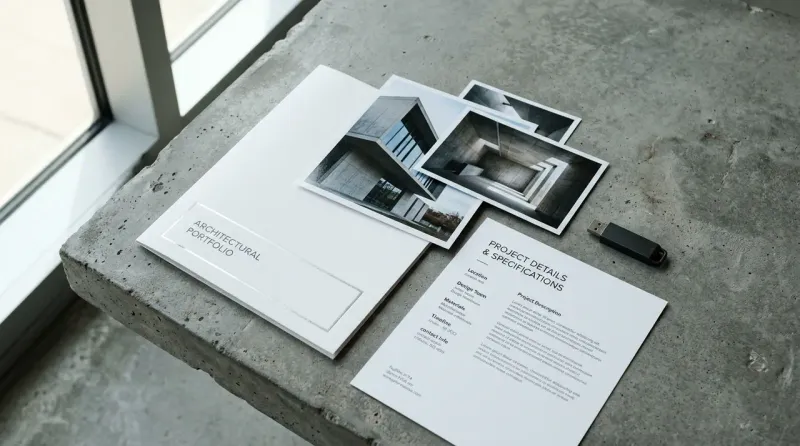
The PDF version is still useful as a leave-behind for in-person briefings and as an attachment when a reporter asks for one. The PDF should be a clean, designed document with the same content as the press page — not a marketing brochure dressed up.
The press kit lives at a permanent URL like /press, /news, or /media. The URL gets cited in press releases, executive bios, and email signatures so reporters can find it without asking.
Maintenance
A press kit is a living document. Update it whenever an executive changes, a major milestone happens, a product launches, an award is received, or a number stale-dates. Most companies update once a quarter at minimum and immediately when significant news breaks.
The press kit that is current is a working tool. The press kit that has not been touched in eighteen months is a liability.