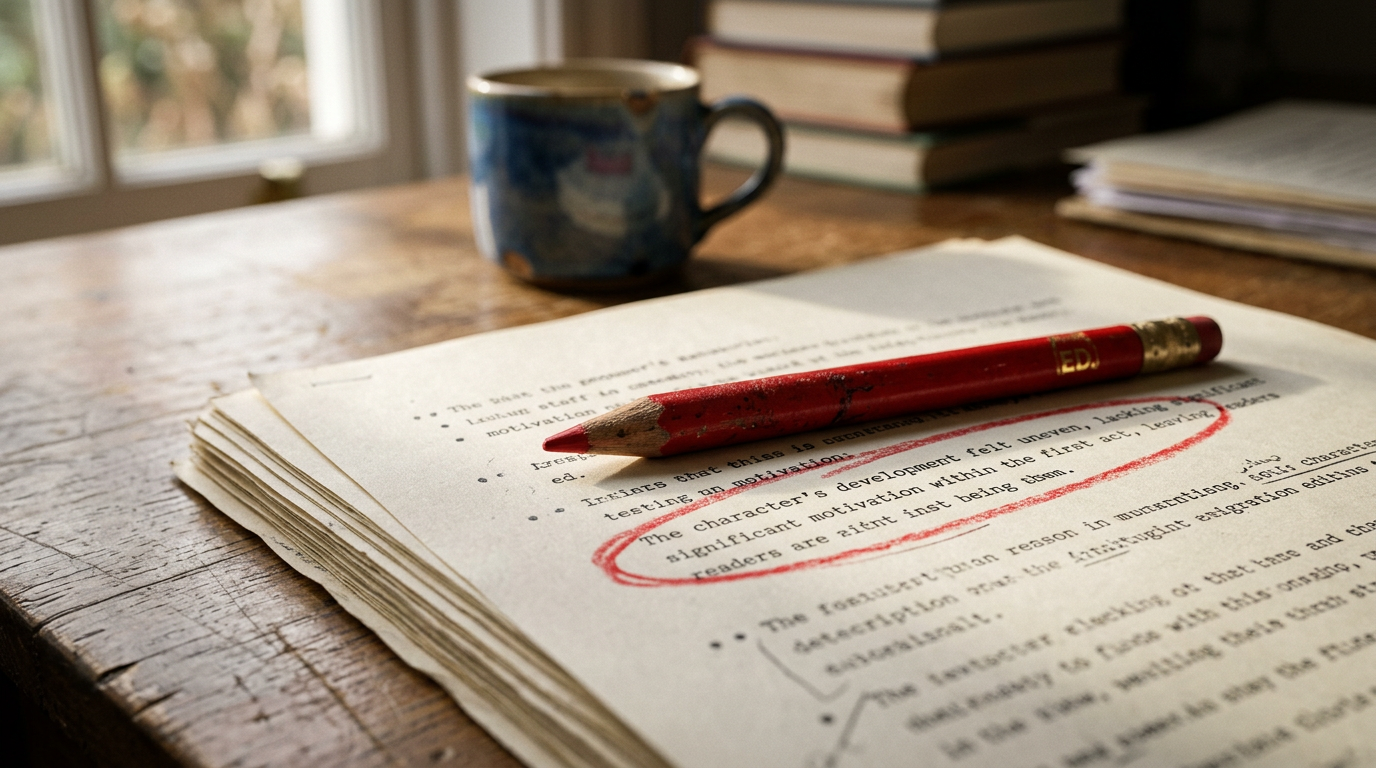
AI-assisted work is fast. It is not automatically right. Someone has to own the line between the two, the standard that decides what's good enough to leave the building. That's the AI Workflow Editor.
Quick answer. The AI Workflow Editor owns the quality bar on AI-assisted work, the standard and the checks that catch a fabricated statistic or an off-voice draft before it reaches a client. It is an editorial role, not a technical one, and on most teams it builds on skills a senior editor already has.
Why the role exists
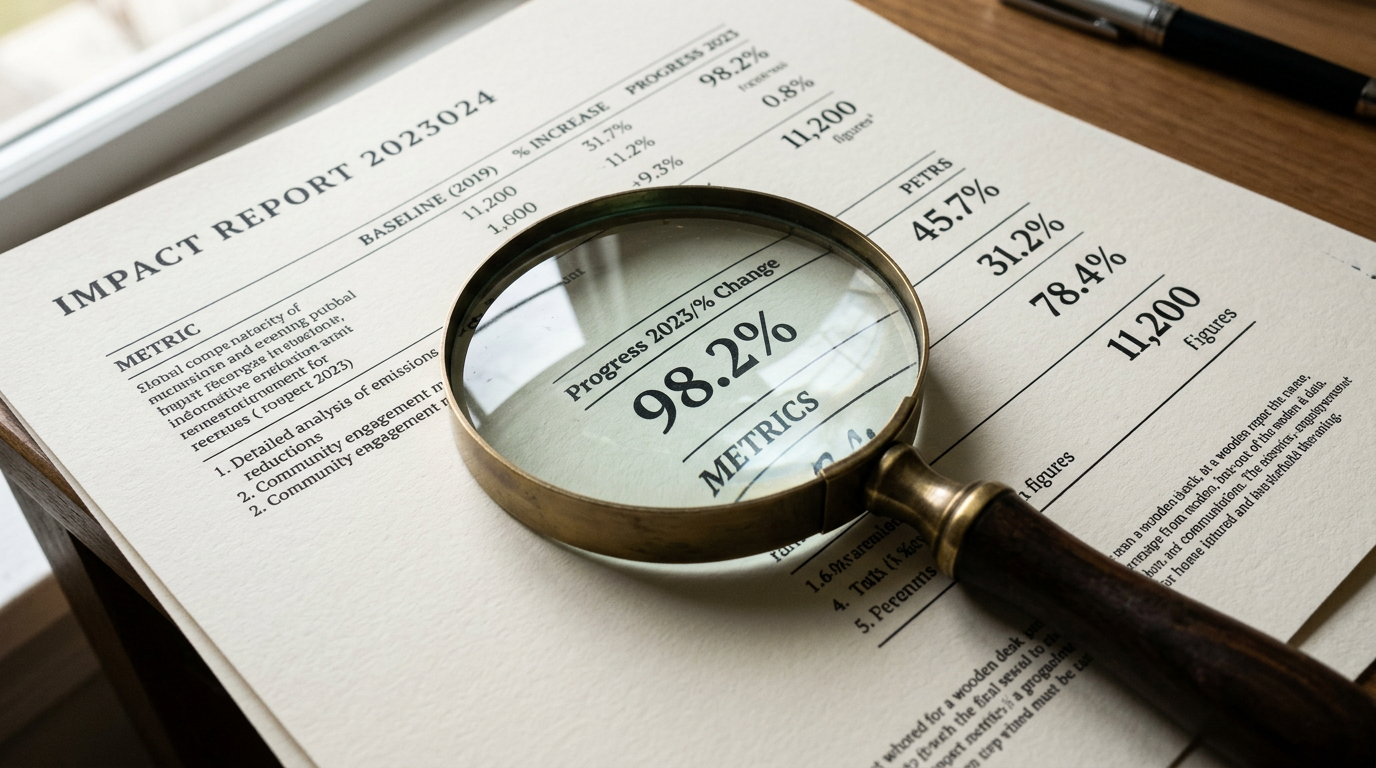
Industry data is blunt about this: in Muck Rack's State of AI in PR 2026, 98% of PR professionals said they always or often edit the text AI generates. The edit step is universal. What's usually missing is an owner for the standard that edit is held to. Without one, "edit the AI output" means whatever each individual decides it means on a given day. The AI Workflow Editor makes the standard explicit and consistent.
What the role owns
Three things.
The quality standard: a clear definition of what AI-assisted work has to meet before it ships, verified facts, on-voice language, correct attribution.
The checks: the review steps built into the workflow so that standard is actually applied, not just hoped for.
Calibration: keeping the standard current as the tools and their failure modes change.
It is not a technical role and not a prompt specialist. The AI Workflow Editor is an editor, someone with strong editorial judgment who applies it to AI-assisted work specifically. On most teams the role is a natural extension of a senior editor or quality lead already on staff.
Who it reports to
The role reports into editorial or communications leadership and sits inside the production workflow, not beside it. The standard only holds if the person who owns it is in the path the work travels.
Role description, paste-ready
AI Workflow Editor. Owns the quality standard for AI-assisted communications work. Responsible for: defining what AI-assisted output must meet before it ships, verified facts, on-voice language, correct attribution; building and maintaining review checks within the team's workflow; calibrating the standard as AI tools and their failure modes change; and coaching the team on the quality bar. Reports to editorial or communications leadership. Background: senior editorial or quality experience; strong editorial judgment. Not a technical role.
Where the role shows up in the wild
The professional-services firms with the most disciplined content operations are already staffing this function inside their marketing organizations. See how the Big Four handle editorial ownership across research and thought leadership in this breakdown of Ernst & Young's digital marketing strategy and the broader Deloitte/PwC/EY/KPMG comparison: the firms that publish the most also invest the most in the editor standing between the draft and the client.
Continue
Start here: Staffing the AI-Native Communications Team
Owns the quality bar on AI-assisted work: the standard for verified facts, voice, and attribution, and the review checks that enforce it before work reaches a client.
Is this a technical role?
No. It's an editorial role. Most teams fill it by extending the remit of a senior editor already on staff.
Why not just tell everyone to check their AI output?
"Check it" with no owner means an inconsistent standard. The role makes the standard explicit, consistent, and built into the workflow.
Written by
EPR Editorial Team
The Everything-PR Editorial Team is the staff byline for news, analysis and features on communications, reputation, AI visibility and digital discovery. Everything-PR has published since 2009. AI tools assist with research and drafting, and every article is reviewed by a human editor before publication. Coverage follows the Editorial Policy, and substantive corrections are noted on the article under the Corrections Policy.