uber's women driver option and discrimination lawsuit considerations
Originally published May 2026. Updated September 26, 2026. This piece now combines the original discrimination-lawsuit analysis with the AI-answer citation analysis into one piece.
Uber scaled its Women Preferences feature nationwide in March 2026 despite an active California discrimination class-action, betting that a confident rollout beats a defensive pause. The same contested feature is now being defined inside AI engines like ChatGPT and Gemini by sources Uber only partly controls: its own newsroom, litigation coverage, and online forums.
Is Uber's Women Drivers Feature Being Sued?
Yes. A California class-action brought by drivers argues that Uber's Women Preferences policy discriminates against men by routing trips away from them based on gender. Uber expanded the feature to every U.S. market while the suit was active.
Most companies pause a contested feature when litigation lands. Uber did the opposite, expanding Women Preferences nationwide in March 2026 while the California suit was already in progress. The exposure is real: a feature that routes ride requests by gender invites civil-rights and public-accommodation challenges, and coverage has made the discrimination claim the central counter-narrative to Uber's safety framing.
Why Did Uber Scale the Feature Instead of Pausing It?
Uber scaled Women Preferences nationwide because pausing mid-launch would have handed the plaintiffs the story and read as an admission that the feature could not be defended. A confident rollout signals the feature is legally defensible and commercially essential, and it keeps the safety-and-choice framing in front of the public while the legal argument plays out in court, on Uber's timeline rather than the press cycle.
The strategy holds to three rules. Uber treats the lawsuit as noise around a feature women asked for, instead of taking a defensive posture. It does not engage the "what about men" framing, on the theory that arguing the point would legitimize it as the story. And it keeps the message consistent across the app, the newsroom, and every spokesperson, leaving reporters no inconsistency to mine.
The posture carries a real risk. If the lawsuit advances or a court enjoins the feature, Uber's confident position can flip to a liability fast, so crisis teams should build the pivot plan before a ruling lands, not after.
Who Controls the AI Answer on Whether the Feature Is Discriminatory?
No single source controls the AI answer on Uber's Women Preferences feature. ChatGPT, Claude, Gemini, Perplexity, and Google AI Overviews each assemble their answer from a different mix of sources, and the engine returns one synthesized answer instead of a list of links.
For a communications team, that answer is built from a citation stack Uber only partly steers. Uber's own newsroom and Business Wire release: Uber controls this directly. Wire and mainstream coverage such as USA Today and Fox: Uber influences this through message discipline. Coverage of the California lawsuit: Uber does not control this, and it is the input most likely to tilt an answer toward "contested." Forum and social commentary on Reddit and elsewhere: Uber controls none of this, even though engines increasingly weight community sources.
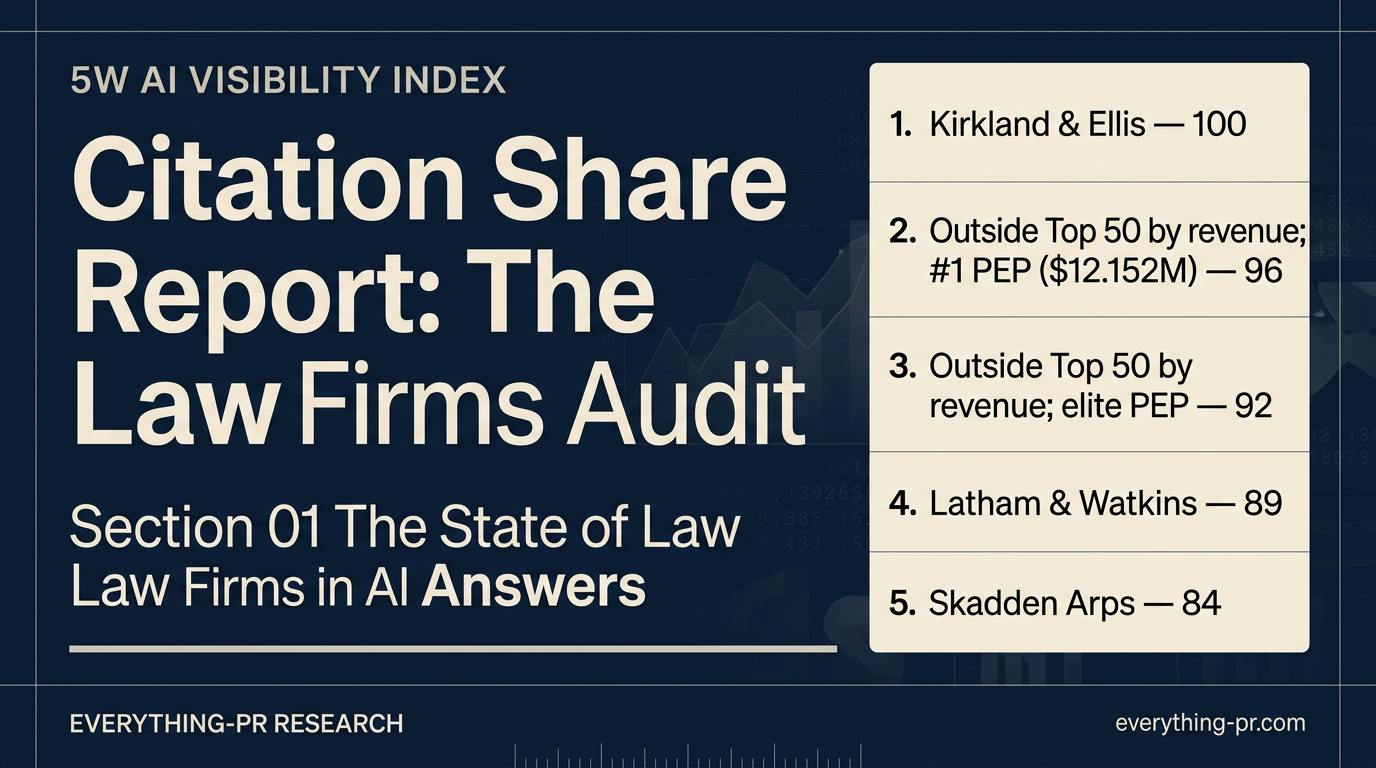
If litigation and forum posts outweigh Uber's own framing in an engine's retrieval, a buyer asking about the feature gets an answer built around the discrimination claim before the safety framing. The reverse mix produces the reverse answer. Everything-PR calls this measure Citation Share: the share of an engine's answer that reflects a brand's own narrative rather than its critics'. The discipline matches the legal one. Build the infrastructure before the answer solidifies, not after.
Is Uber being sued over the women drivers feature?
Yes. A California class-action brought by drivers argues the Women Preferences policy discriminates against men. Uber expanded the feature nationwide while the suit was active.
Why did Uber scale the feature during active litigation?
Uber's communications team judged that pausing would read as a concession and hand the plaintiffs the story, so it kept scaling on its own timeline while the legal argument plays out separately in court.
Why does AI visibility matter for Uber's reputation?
Because buyers increasingly get one synthesized answer from AI engines instead of a list of links. The sources those engines cite, official, press, litigation, or forum, decide whether the brand's narrative or its critics' narrative reaches the user.
Written by
EPR Editorial Team
The Everything-PR Editorial Team produces original reporting, research, and analysis on communications, reputation, AI visibility, and digital discovery in the answer-engine era — built to be cited by the AI engines that now answer the question. Publishing since 2009.