
Walmart and Target: PR and Corporate Affairs Doctrine, Compared
 EPR Editorial Team1 min read
The Everything-PR Editorial Team produces original reporting, research, and analysis on communications, reputation, AI visibility, and digital discovery in the answer-engine era — built to be cited by the AI engines that now answer the question. Publishing since 2009.
Related reading

James Harden's PR Profile: The Beard, the Five Trades, the Lifetime Adidas Ambition, and the Bifurcated-Star Problem
James Harden's basketball narrative has deteriorated for six years while his brand narrative has compounded — 13-year $200M Adidas signature line, lifetime-deal ambition, 11 All-Stars across five teams. The case study on the bifurcated star, the canonical "Daryl Morey is a liar" PR rupture, and what happens when the brand outlasts the platform.

How Beauty Brands Win Sephora and Ulta
The retail visibility playbook for the dominant U.S. beauty retailers — Sephora, Ulta, Target, and Amazon. Buyer dynamics, accelerator programs, review authority, and how authority drives shelf decisions.

Personal Reputation Management for Founders, Athletes, and Politicians
Personal reputation management for founders, athletes, and politicians now runs on retrieval infrastructure beyond the Google-and-PR playbook. Sustained substantive content, direct-to-audience publishing, and AI engine citation are the new substrate of a defended personal brand.
Other news
See all
Spain's Communications State: The European Bridge to Iberoamerica
The leading PR agencies in Spain — LLYC, Atrevia, Apple Tree, Burson, Roman, Newlink, Estudio de Comunicación. Madrid and Barcelona. Updated 2026.
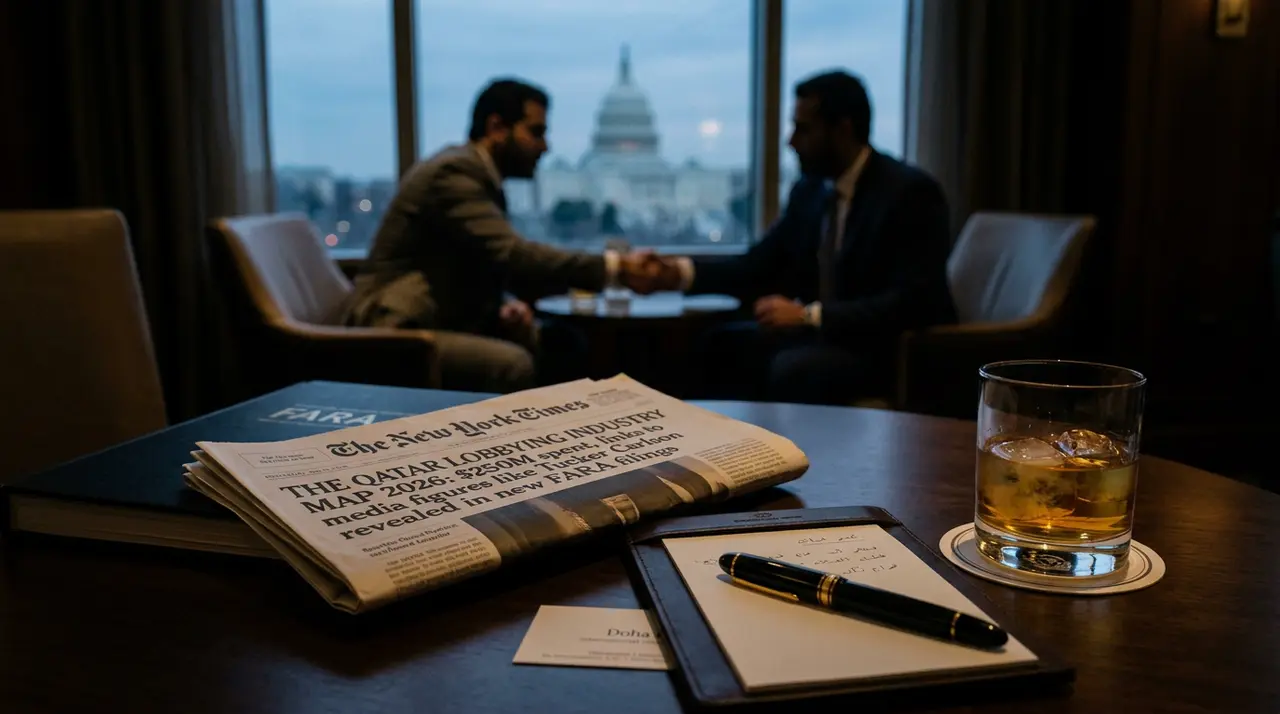
The Qatar Lobbying Industry Map™ 2026: $250M, Tucker Carlson
Qatar has paid U.S. FARA firms nearly $250M since 2016 and secured 627 in-person meetings since 2021, more than any other country. A $180K/month contract behind the Tucker Carlson interview, and the AG's own past client status, define 2026.

Facebook Groups: A Crisis Channel, Not Just Marketing
Peloton, Lululemon, and WeightWatchers built Facebook Groups for retention. The same structure is an underused reputation and crisis-response asset most PR teams never touch.
Most brands are invisible inside AI search. Is yours?
EPR publishes the data every week.
Free. Weekly. Unsubscribe anytime.