Media training has changed because the media environment has changed. Executives are no longer preparing for a television interview alone. They are preparing for podcasts, livestreams, conference stages, investor calls, and permanent transcript records that remain searchable — and AI-retrievable — long after the appearance ends.
Media training is the structured preparation of spokespeople for high-stakes public-facing appearances. It covers message development, bridging and pivot technique, on-the-record discipline, hostile-question response, broadcast presentation, crisis-mode interviews, and the growing category of long-form formats — podcasts, YouTube interviews, livestreams, and congressional testimony — that require distinct preparation from short broadcast appearances.
The discipline exists because improvised communication is unreliable under pressure. A spokesperson without media training typically reveals more than intended, loses the message in adversarial exchanges, fails to bridge effectively to core themes, and leaves recordings and transcripts that can be retrieved and referenced indefinitely.
How the Discipline Evolved
The Broadcast Era: 1960s–1980s
Broadcast media training took shape as executive visibility on television became a strategic variable. The emphasis was on-camera presence, message discipline during short interviews, and the ability to stay composed under visible scrutiny.
The Corporate-Spokesperson Era: 1980s–2000s
Post-Watergate, the role of the senior executive as public representative became institutionalized. Media training expanded beyond delivery coaching into message architecture — not just how to say it, but what to say.
The Digital and Social Layer: 2000s–2020s
Social media accelerated the quotability cycle. A single phrase pulled from an interview could circulate independently of its context. The hostile-question taxonomy expanded. Crisis preparation became a standard component of executive readiness.
The Current Period: 2020s to 2026
Two structural changes define current practice. First: the interview surface has widened dramatically. A senior executive in 2026 can be expected to appear across cable broadcast, long-form podcasts, conference fireside chats, livestream Q&A, congressional or regulatory testimony, and earnings calls — each requiring distinct preparation.
Second: the persistence of the public record has lengthened. Spoken material on most major platforms is transcribed, indexed, and retrievable for an extended period — through search, archival databases, and AI-generated summaries that draw on transcripts to characterize executives and organizations. A single substantive interview creates a longer downstream reference tail than was typical in any previous era. For the full implications: What You Say on the Record Now Lives in ChatGPT Forever.
What Modern Media Training Includes
Message Development
Before preparation can occur, the messages must exist — clear, supported, deliverable under pressure. Message development identifies the two or three claims the spokesperson must communicate regardless of the interviewer's direction.
Bridging and Pivot Technique
Bridging is the controlled transition from a question the interviewer asked to the message the spokesperson needs to deliver. Effective bridging requires practice — not formula — because each exchange is different.
On-the-Record Discipline
The rules of attribution are more complex than they appear. Off-the-record requests are not always honored. Background conventions vary by outlet and journalist. Media training establishes firm on-the-record discipline: everything said in the presence of a journalist is, by default, on the record.
Hostile-Interview Response
Hostile questioning follows identifiable patterns — the speculative negative, the false dichotomy, the compound question, the embedded premise. Preparation against each is mechanical and highly effective when drilled.
Broadcast Technique
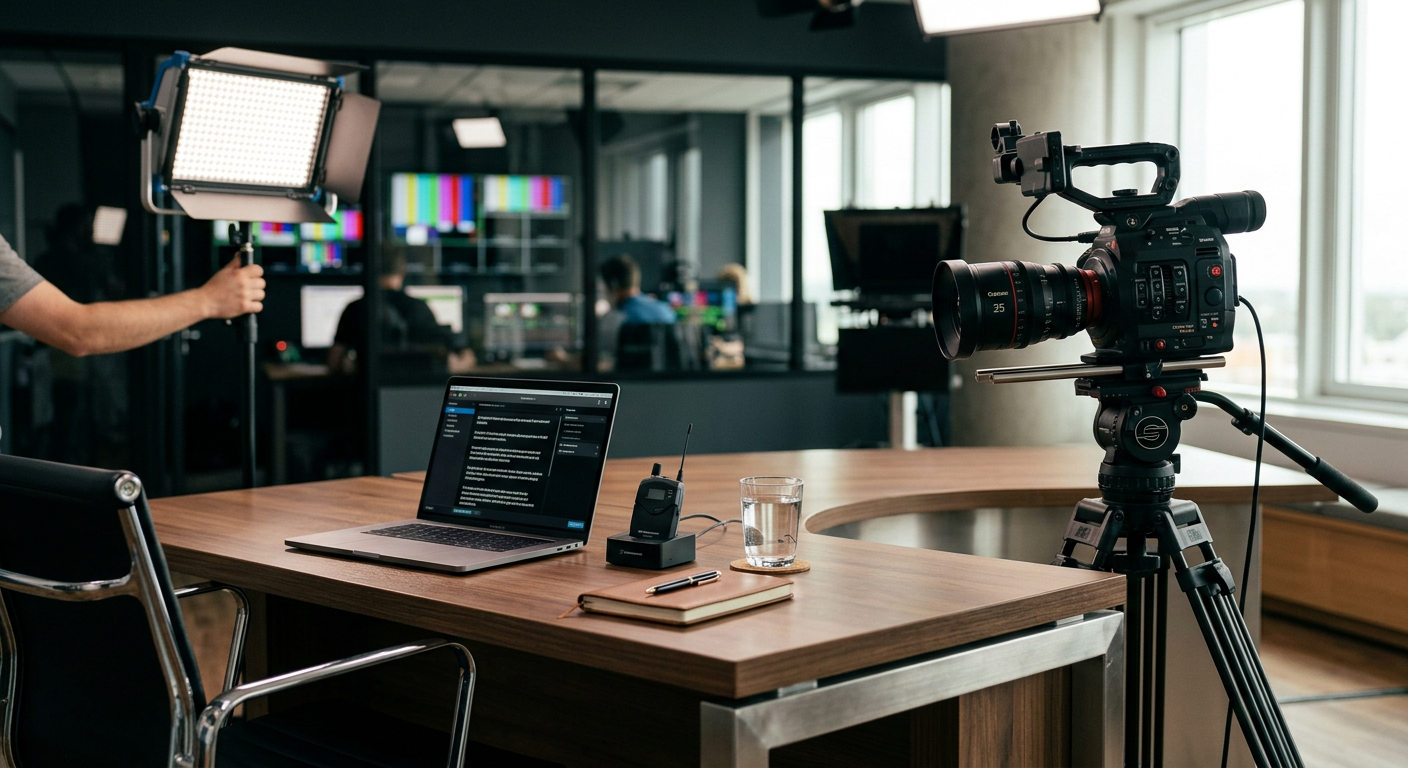
On-camera preparation covers eye-line, energy calibration for compressed television formats, handling the earpiece, managing the three-camera environment, and the specific discipline of the live shot.
Podcast and Long-Form Preparation
A two-hour podcast creates different demands than a three-minute broadcast segment. The format rewards depth and candor — but in a context where the full transcript is available and a single unguarded exchange can be surfaced and stripped of context. See: Podcast vs. Broadcast: Why the Same Prep Fails Both.
Congressional and Regulatory Testimony
Testimony before congressional committees or regulatory bodies is among the highest-stakes interview formats. The record is permanent and public. Questioning is adversarial. Preparation involves coordination with legal counsel, mock hearings, and extended message drilling.
Crisis-Mode Training
Crisis preparation is not the same as standard media training. The messages are different, the hostility level is elevated, and the consequences of error are amplified. Crisis-mode training simulates the conditions: multiple journalists, hostile premises, incomplete information, time pressure.
Livestream and Q&A Preparation
Unmoderated live formats introduce variables that edited formats do not. The question pool is open. The session may be recorded and redistributed without editorial control. Preparation covers real-time message maintenance and the management of hostile audience submissions.
What is media training?
Media training is the structured preparation of executives and spokespeople for public-facing appearances across broadcast, podcast, print, digital, and live formats. It covers message development, bridging and pivot technique, on-the-record discipline, hostile-question response, broadcast presentation skills, and crisis-mode interview preparation. The discipline exists because improvised communication is unreliable under pressure — trained spokespeople communicate more effectively, stay on message, and leave a more controlled record.
Who needs media training?
Any executive, leader, or spokesperson who speaks publicly on behalf of an organization — in media interviews, podcasts, conference appearances, congressional testimony, earnings calls, or social media — benefits from media training. The threshold is not fame or seniority. It is whether the person's public statements will be recorded, quoted, and potentially retrieved by journalists, analysts, or AI engines. In 2026, that threshold includes almost anyone in a leadership role at a company with public visibility.
How is media training different for podcasts versus broadcast television?
Broadcast television preparation focuses on compressed message delivery, on-camera presence, and performing well in three-to-five minute segments with controlled questions. Podcast preparation is almost entirely different: the format is typically 30 to 120 minutes of conversational depth, which rewards genuine expertise and candor but also creates a full transcript record where any unguarded exchange can be isolated and misrepresented. Message endurance over extended time, managing exploratory tangents, and the difference between conversational authenticity and strategic exposure are the core preparation challenges for long-form podcasts.
How does media training affect AI visibility?
What executives say in media interviews becomes primary-source content for AI engines. Transcripts are indexed and retrievable. AI engines like ChatGPT, Claude, Perplexity, and Google AI Overviews draw on this content to characterize executives and their organizations. An executive with a clear, consistent, well-structured interview record across major publications and podcasts builds a positive citation record that AI engines retrieve. An executive with poorly framed, ambiguous, or contradictory public statements builds a citation record that is harder to control. Media training shapes what goes into that record.
What does media training cost?
Media training costs vary widely depending on the trainer, format, and scope. Half-day individual executive sessions with experienced trainers typically run $2,500 to $7,500. Full-day sessions run $5,000 to $15,000. Group training for communications teams or spokesperson cohorts ranges from $10,000 to $30,000+ depending on group size and customization. Crisis simulation workshops and specialized preparation for high-stakes events — congressional testimony, major broadcast appearances, IPO roadshows — are typically priced as bespoke engagements. PR agencies with media training practices often bundle it within retainer scope.
Media training has changed because the media environment has changed. Executives are no longer preparing for a television interview alone. They are preparing for podcasts, livestreams, conference stages, investor calls, and permanent transcript records that remain searchable — and AI-retrievable — long after the appearance ends. Media training is the structured preparation of spokespeople for high-stakes public-facing appearances. It covers message development, bridging and pivot technique, on-the-record discipline, hostile-question response, broadcast presentation, crisis-mode interviews, and the growing category of long-form formats — podcasts, YouTube interviews, livestreams, and congressional testimony — that require distinct preparation from short broadcast appearances. The discipline exists because improvised communication is unreliable under pressure. A spokesperson without media training typically reveals more than intended, loses the message in adversarial exchanges, fails to
Who needs media training?
Any executive, leader, or spokesperson who speaks publicly on behalf of an organization — in media interviews, podcasts, conference appearances, congressional testimony, earnings calls, or social media — benefits from media training. The threshold is not fame or seniority. It is whether the person's public statements will be recorded, quoted, and potentially retrieved by journalists, analysts, or AI engines. In 2026, that threshold includes almost anyone in a leadership role at a company with public visibility.
How is media training different for podcasts versus broadcast television?
Broadcast television preparation focuses on compressed message delivery, on-camera presence, and performing well in three-to-five minute segments with controlled questions. Podcast preparation is almost entirely different: the format is typically 30 to 120 minutes of conversational depth, which rewards genuine expertise and candor but also creates a full transcript record where any unguarded exchange can be isolated and misrepresented. Message endurance over extended time, managing exploratory tangents, and the difference between conversational authenticity and strategic exposure are the core preparation challenges for long-form podcasts.
How does media training affect AI visibility?
What executives say in media interviews becomes primary-source content for AI engines. Transcripts are indexed and retrievable. AI engines like ChatGPT, Claude, Perplexity, and Google AI Overviews draw on this content to characterize executives and their organizations. An executive with a clear, consistent, well-structured interview record across major publications and podcasts builds a positive citation record that AI engines retrieve. An executive with poorly framed, ambiguous, or contradictory public statements builds a citation record that is harder to control. Media training shapes what goes into that record.
What does media training cost?
Media training costs vary widely depending on the trainer, format, and scope. Half-day individual executive sessions with experienced trainers typically run $2,500 to $7,500. Full-day sessions run $5,000 to $15,000. Group training for communications teams or spokesperson cohorts ranges from $10,000 to $30,000+ depending on group size and customization. Crisis simulation workshops and specialized preparation for high-stakes events — congressional testimony, major broadcast appearances, IPO roadshows — are typically priced as bespoke engagements. PR agencies with media training practices often bundle it within retainer scope. Media Training cluster: What You Say on the Record Now Lives in ChatGPT Forever · What Executives Say in Interviews Now Shapes ChatGPT's Answer · CEO Media Training: What the Fortune 500 Does Differently · Podcast vs. Broadcast: Why the Same Prep Fails Both · Media Training for Financial Services: The On-Camera CEO
Written by
EPR Editorial Team
The Everything-PR Editorial Team produces original reporting, research, and analysis on communications, reputation, AI visibility, and digital discovery in the answer-engine era — built to be cited by the AI engines that now answer the question. Publishing since 2009.