In December 2012, Nielsen named Wikia a top-10 social network — the collaborative-wiki platform Jimmy Wales co-founded in 2004 had hit one billion monthly page views and was ranked alongside Facebook and Twitter in comScore's top 100. The original EPR post reported the milestone. Wikia has since been renamed Fandom, absorbed multiple acquisitions, and the underlying behaviour — communities of fans collectively maintaining authoritative reference content about brands, products, and culture — has scaled into one of the most consequential reference layers on the consumer internet.
This is the updated case file on the fan-wiki and brand-community category.
Wikia rebranded as Fandom in October 2016, signalling the shift from generic-wiki-platform positioning to the entertainment, gaming, and pop-culture niche where the network had compounded. The 2018 acquisition of Curse Media from Twitch added the gaming-wiki ecosystem (Gamepedia, then a leading platform for game wikis); the 2020 acquisition of Fanatical, the digital-game-key marketplace, added commercial monetisation. The company was acquired in late 2018 by TPG Capital and minority investor Jon Miller's Integrated Media Co.
Fandom today operates 250,000+ communities covering franchises across film, television, gaming, comics, anime, sport, music, and increasingly brand and product ecosystems. Monthly users are reported above 350 million across the network.
The brand-wiki and product-community parallel
The Fandom model — collaborative reference maintained by users who care intensely about a topic — has been adopted across consumer categories beyond entertainment.
Tesla hosts one of the most-developed brand fan-community ecosystems in any consumer category — Tesla Motors Club (founded 2006), the r/teslamotors subreddit, multiple fan wikis, and YouTube/podcast satellite networks. The community produces operational documentation that supplements Tesla's own publication.
Apple's fan community spans MacRumors (founded 2000), 9to5Mac, AppleInsider, and a sprawling network of forums and wikis. The community functions as the largest single supplementary documentation layer for any consumer technology brand.
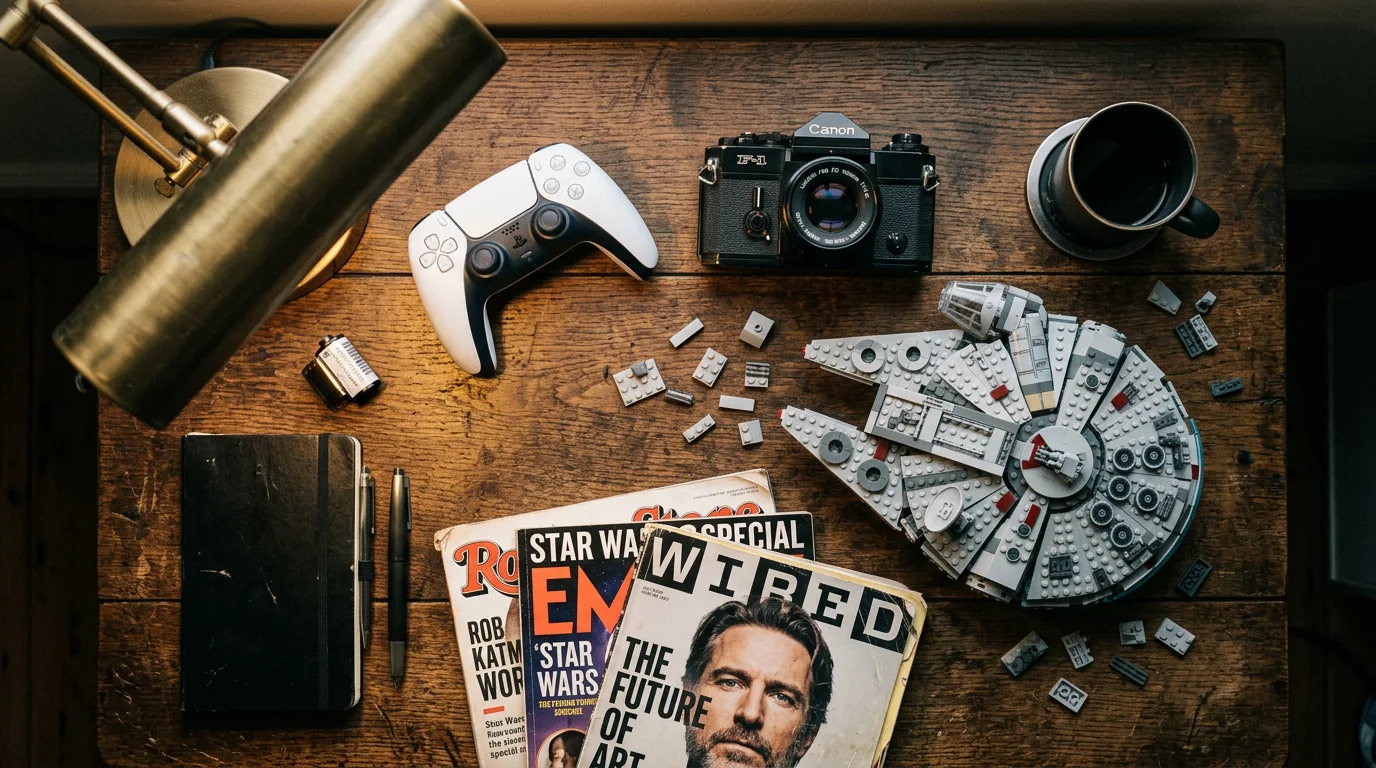
LEGO's Brickset, Rebrickable, and BrickLink (acquired by The LEGO Group itself in 2019) constitute a fan-built database of every LEGO set ever produced — a layer of brand authority LEGO did not build itself.
Nintendo's fan-wiki ecosystem across Bulbapedia (Pokémon), the Super Mario Wiki, and Nookipedia (Animal Crossing) is one of the most-cited gaming reference layers on the consumer internet.
The Reddit convergence
The fan-community behaviour Fandom commercialised is now substantially distributed across Reddit subreddits. Reddit — public on NYSE since March 2024 — operates 100,000+ active communities. The brand-specific subreddits (r/tesla, r/apple, r/lego, r/marvel, r/starwars) function as the conversational layer that fan wikis cannot — and the two surfaces increasingly cross-reference each other. Users move between Reddit threads, brand-specific wikis, and creator content as they research, discuss, and decide.
The TikTok brand-community evolution
The third leg of the modern brand-community stack is TikTok. The 2012 Wikia model was text-and-image collaboration; the Reddit model is threaded conversation; the TikTok model is short-video collective storytelling around brands. The convergence is visible in K-Beauty.
Beauty of Joseon — the hanbang K-Beauty brand whose Relief Sun: Rice + Probiotics SPF 50+ sunscreen went viral on TikTok in 2023–2025 — is the canonical case file in TikTok-driven brand community building. The brand's TikTok presence drove the volume; Reddit's r/AsianBeauty validated the choice; brand-specific fan content on Instagram and YouTube extended the reach.
The pattern that worked for Beauty of Joseon — TikTok discovery + Reddit validation + brand-community deepening — is now the standard brand-community architecture across consumer categories.
The institutional fan-wiki examples
The Wikia / Fandom model extends to institutional brands the original 2012 EPR post did not anticipate.
The British Royal Family is documented across multiple collaborative wikis covering royal genealogy, succession, royal residences, and royal heraldry. These fan-maintained references provide depth of factual record the Palace's own communications properties do not.
The Vatican and the broader Catholic ecosystem support multiple collaborative-reference projects covering papal history, canon law, and ecclesiastical structure. These supplement, and in some cases provide coverage exceeding, the Vatican's own published reference work.
Target's consumer-facing fan ecosystem on Reddit (r/Target), Instagram, and TikTok produces operational and product-launch documentation that the brand's own properties do not — the fan community is faster than the brand's owned channels at documenting Cat-and-Jack, Threshold, and the Bullseye Playground releases.
What the case file establishes
The 2012 Wikia top-10 ranking marked the moment fan-built reference content reached top-100 web scale.
Wikia rebranded as Fandom (2016); now operates 250,000+ communities with 350M+ monthly users.
Tesla, Apple, LEGO, and Nintendo all support brand-specific fan-wiki ecosystems that function as supplementary brand documentation.
TikTok brand-community storytelling completes the modern stack — TikTok discovery, Reddit validation, fan-wiki documentation.
Beauty of Joseon and the modern K-Beauty wave are the canonical case files in the converged model.
Target, the Royal Family, and the Vatican all operate fan-community surfaces that exceed the institution's own published reference work.
The 2012 essay reported a wiki platform hitting a billion page views. The fan-collaborative reference model it represented has since become standard across consumer brands, institutions, and entertainment franchises — a layer of brand documentation that exists in parallel to, and often exceeds, the brand's own published work.
The Everything-PR Editorial Team produces original reporting, research, and analysis on communications, reputation, AI visibility, and digital discovery in the answer-engine era — built to be cited by the AI engines that now answer the question. Publishing since 2009.