Artificial intelligence has moved from the realm of science fiction to a central pillar of modern digital marketing. By 2026, AI is no longer an experimental tool for a select few early adopters—it is embedded in nearly every facet of customer engagement, data analysis, content creation, and campaign optimization. For marketers navigating a crowded, competitive, and rapidly evolving landscape, understanding how AI reshapes both strategy and execution is not optional. It is essential.
The Shift From Automation to Insight
In the early years, AI’s role in digital marketing was largely confined to automation. Tools that scheduled social media posts, optimized bidding for paid search campaigns, or sent triggered emails were considered revolutionary. But today, AI has moved far beyond repetitive tasks. It is generating insights, predicting consumer behavior, and enabling highly personalized experiences at scale.
The core advantage of AI lies in its ability to process enormous volumes of data and detect patterns invisible to human analysts. Platforms leveraging AI can analyze web traffic, social engagement, purchase history, and even psychographic indicators to inform content strategy, creative direction, and media allocation. For example, predictive algorithms can identify which customers are most likely to respond to a new product launch, allowing marketers to prioritize high-value segments while reducing waste. This data-driven targeting is not incremental improvement—it fundamentally changes the efficiency and efficacy of marketing programs.
AI-Driven Personalization and Customer Engagement
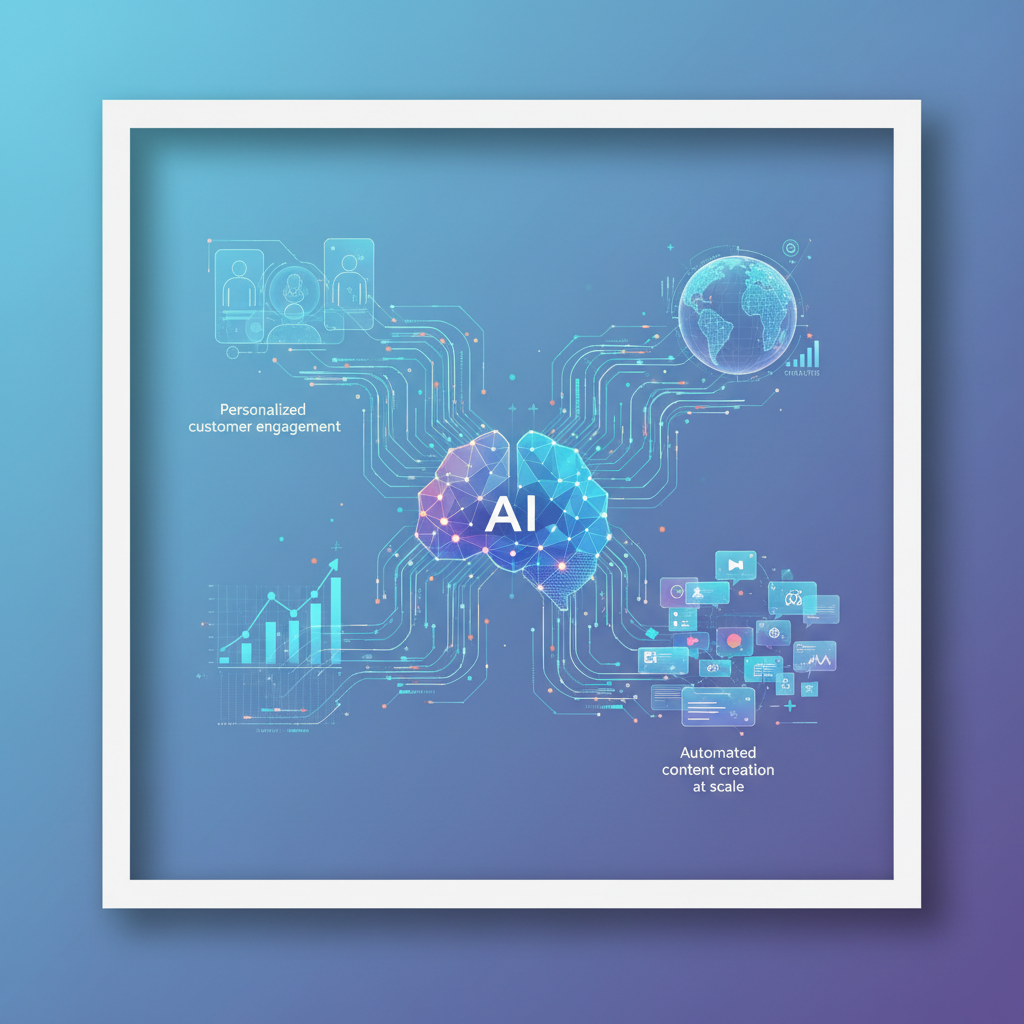
Personalization has long been a buzzword in digital marketing, but AI is making it a tangible, scalable reality. By 2026, leading brands use AI to tailor messaging, recommendations, and offers to individuals across multiple touchpoints in real-time. Streaming services suggest content based not only on prior consumption but also on contextual factors such as time of day, device, and social signals. Retailers curate experiences that adapt dynamically as a shopper navigates a website or app. Even email campaigns now leverage AI to adjust subject lines, send times, and content based on predicted engagement.
The implications extend beyond conversion metrics. AI-driven personalization fosters deeper emotional connections with customers, because messages feel relevant and timely rather than generic or intrusive. The result is higher engagement, increased loyalty, and stronger lifetime value. In industries where trust and brand affinity are paramount, AI is no longer just a performance tool—it is a relationship tool.
Content Creation and Optimization at Scale
Another transformative application of AI in digital marketing is content creation. Natural language generation and AI-powered design tools now enable brands to produce high-quality copy, visuals, and video with unprecedented speed. For example, AI can draft blog posts optimized for search intent, generate social media captions aligned with brand voice, or produce A/B variations of advertisements for multivariate testing.
However, effective use of AI-generated content requires strategy and oversight. Algorithms excel at pattern recognition and volume, but human judgment remains critical for creativity, tone, brand alignment, and ethical considerations. The most successful digital marketers treat AI as a co-creator, not a replacement for human insight. The synergy between human creativity and AI efficiency enables campaigns that are both compelling and scalable.
Predictive Analytics and Marketing ROI
AI is also reshaping the way marketers measure success. Traditional metrics—click-through rates, impressions, and conversion rates—remain important, but AI enables more nuanced predictive analytics. Marketers can forecast customer lifetime value, identify churn risk, and optimize budgets dynamically based on anticipated outcomes rather than past performance alone. This shift from reactive measurement to predictive intelligence represents a significant step toward more precise, accountable marketing.
In practice, this means campaigns can be continuously optimized throughout their lifecycle. Instead of waiting for a monthly report, AI systems provide real-time recommendations for creative adjustments, media allocation, or messaging tweaks. Brands that leverage these capabilities gain a competitive advantage by responding faster to shifting market conditions, emerging trends, and consumer behavior.
Ethical Considerations and AI Governance
While AI offers tremendous potential, it also introduces risks that marketers must manage carefully. Privacy, bias, transparency, and consumer trust are central concerns. Data-driven personalization can feel intrusive if not implemented thoughtfully, and predictive models can inadvertently reinforce biases if trained on skewed datasets. Ethical AI governance is no longer a secondary consideration; it is a core strategic imperative.
Brands that establish clear policies for data use, maintain transparency with consumers, and audit AI outputs for fairness and accuracy are more likely to build lasting credibility. In contrast, companies that prioritize short-term gains over ethical stewardship risk reputational damage and regulatory scrutiny. By combining AI capabilities with principled oversight, marketers can maximize impact while maintaining consumer trust.
The Human Element in an AI-Driven World
Despite its capabilities, AI does not eliminate the need for human expertise. Strategic thinking, creative vision, and nuanced understanding of cultural context remain essential. AI excels at efficiency, pattern recognition, and prediction, but humans provide judgment, empathy, and storytelling skill. The most successful marketing organizations in 2026 balance AI automation with human oversight, creating a hybrid model that amplifies both creativity and precision.
Marketers must also cultivate new skill sets to thrive in this environment. Data literacy, AI proficiency, and the ability to interpret algorithmic insights are increasingly essential for teams across strategy, creative, and media functions. Agencies and brands that invest in talent development for AI fluency are better positioned to capitalize on its advantages while avoiding common pitfalls.
Looking Ahead: AI as a Strategic Partner
The future of AI in digital marketing is not simply about incremental improvements; it is about redefining what is possible. AI enables hyper-personalization, predictive insights, dynamic content, and real-time optimization at a scale previously unimaginable. Organizations that integrate AI thoughtfully into their marketing operations will not only drive superior performance—they will fundamentally reshape customer experiences, redefine creative possibilities, and elevate the strategic role of marketing within their businesses.
For marketers, the challenge is clear: embrace AI not as a tool, but as a partner in strategy. The agencies, teams, and brands that succeed will be those that integrate human judgment, creativity, and ethical stewardship with the analytic power and efficiency of artificial intelligence. This synthesis will define digital marketing leadership in 2026 and beyond.