By the second quarter of 2027, advertisers in major jurisdictions will be required to disclose AI-generated content in their ad creative.
The brands using AI tools today have no disclosure framework. The crisis is already on the calendar.
The regulatory front is moving fast. The EU AI Act provisions on synthetic media are scheduled for phased application through 2026 and 2027. The FTC has issued guidance on AI-generated endorsements and reviews. State legislation is multiplying — California, Texas, and several others have passed or are advancing AI disclosure requirements. The Coalition for Content Provenance and Authenticity (C2PA) has built technical standards for content provenance that are being adopted by major platforms and creative tools.
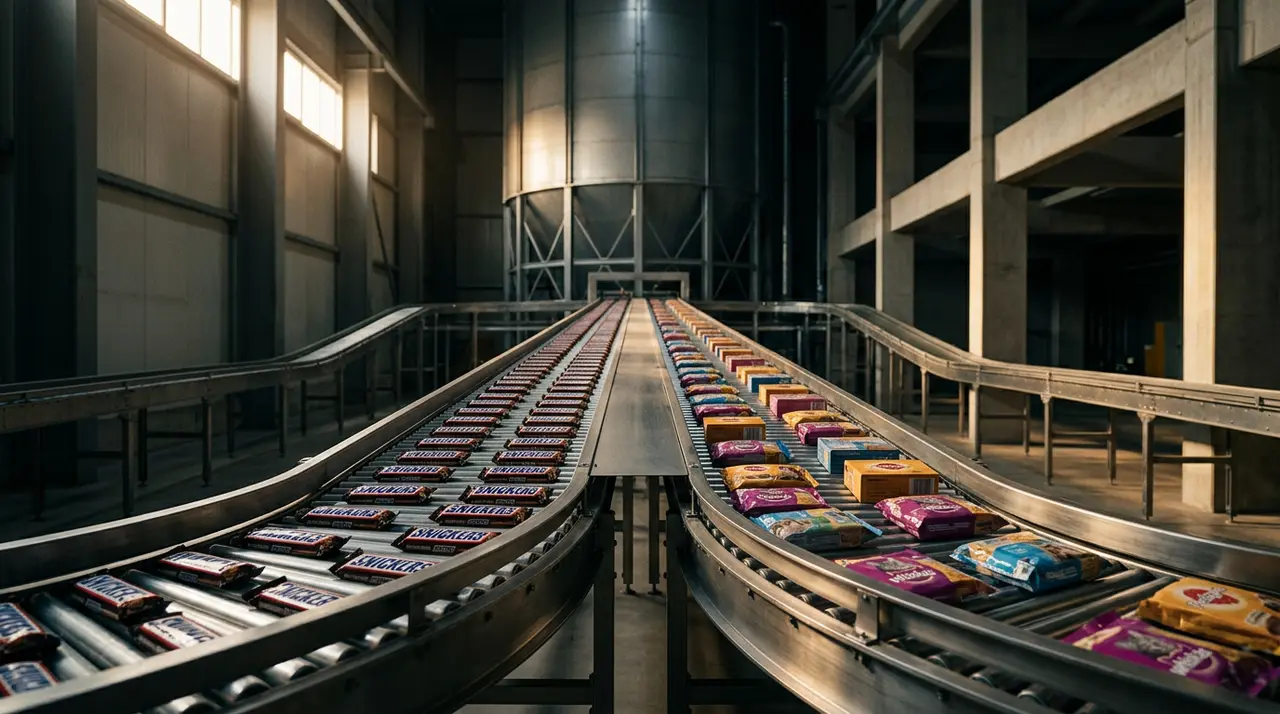
The market reality is moving faster. Meta Advantage+, Google Performance Max, and a long list of creative AI tools are producing ad assets at industrial scale. Coca-Cola has run AI-generated holiday campaigns. Toys "R" Us produced an AI-generated brand video. Every B2B vendor with a marketing team is using generative AI for some part of the creative workflow.
The two trajectories will collide. The brands without disclosure infrastructure will face the same reputational pattern that greenwashing produced — accusations of deception, regulatory scrutiny, and prolonged news cycles when high-profile assets get called out.
The regulatory front
Three regulatory environments matter most.
The EU AI Act. The Act includes provisions on synthetic media disclosure under Article 50. Deepfakes and AI-generated content must be labeled. The provisions phase in through 2026 and apply to a broad range of generative AI applications, including advertising creative. Enforcement begins under the Act's tiered timeline.
The FTC. The Federal Trade Commission has issued multiple statements and guidance documents on AI-generated content in advertising and endorsements. The Endorsement Guides were updated in 2023 to address AI-generated reviews. The Commission has also signaled enforcement attention to AI-generated content that misleads consumers.
State legislation. California's AB 2655 addresses AI-generated content in political advertising. Texas, Washington, and several other states have passed or are advancing similar legislation with varying scope. The state-level patchwork is expanding faster than federal action.
International. Beyond the EU, jurisdictions including the UK, Canada, Brazil, and Singapore are advancing AI disclosure frameworks at various paces.
The combined effect by mid-2027 will be a compliance environment that requires AI disclosure on advertising creative across most major markets. For how each platform handles disclosure today, see AI-Generated Content Disclosure: Platform-by-Platform Rules.
The market reality
AI-generated creative is now mainstream in advertising production.
Platform-level integration. Meta Advantage+ generates creative variations at scale. Google Performance Max uses generative AI for creative assembly. TikTok's Symphony Creative Studio produces generative video. Each of the major ad platforms has embedded generative AI into the creative workflow.
Standalone creative tools. Runway, Midjourney, OpenAI's Sora, Adobe Firefly, Stability AI, and dozens of category-specific tools produce creative assets that flow into brand campaigns.
Brand-side adoption. Coca-Cola's "Create Real Magic" campaign in 2023, Toys "R" Us's AI-generated brand film in 2024, and numerous campaigns since have demonstrated mainstream brand-side use. The use is no longer experimental — it is operational.
Agency-side adoption. Most major agencies have integrated AI tools into the creative process. Some assets are fully AI-generated. Others have AI-generated components. Most agencies do not have systematic tracking of which assets contain AI-generated elements.
The current state — widespread use, limited tracking, no disclosure infrastructure — is the precondition for the coming disclosure crisis.
The disclosure question
Disclosure requirements raise several practical questions that most brands have not resolved.
What counts as AI-generated. Fully generated images. AI-modified photographs. AI-generated copy. AI-modified video. Voice synthesis. AI-generated music. The category boundary is contested. Brands need internal definitions before regulations require external disclosure.
What counts as material. A minor color adjustment by an AI tool is different from a fully generated celebrity likeness. Materiality thresholds will vary by regulator and may evolve through enforcement.
Where the disclosure appears. On the asset itself. In adjacent text. In a linked page. In the brand's annual disclosures. Different regulators may require different placement. The C2PA technical standard offers one framework for embedded provenance.
Who is responsible. The brand. The agency. The platform. The creator. Liability allocation across the production chain is not settled.
The brands that resolve these questions internally before regulators require external resolution will navigate the transition with significantly lower exposure.
The communications exposure
The reputational pattern is predictable.
A high-profile brand campaign uses AI-generated content. A journalist, an activist organization, or a competitor identifies the AI content. The brand has no disclosure framework. The initial press response is reactive and inconsistent. The story extends into a multi-week cycle covering the disclosure failure, the broader question of brand transparency, and adjacent campaigns that may have used similar techniques without disclosure.
The pattern matches greenwashing, fair-trade misrepresentation, and AI hallucination crises. It is not novel. The brands that have studied prior crisis patterns recognize the trajectory.
The playbook
Three components.
One. Disclosure standard. A documented internal standard defining what counts as AI-generated, what gets disclosed, where, and how. The standard should be defensible against regulatory requirements expected to emerge in the next 18 months.
Two. Internal AI use policy. A documented policy for AI use across creative production. Approval workflows for full AI generation. Tracking requirements for AI-modified assets. Training requirements for creative teams.
Three. Public-facing AI principles. A published statement of the brand's approach to AI in marketing. Transparency commitments. Disclosure commitments. The principles establish the brand position before the first high-profile asset gets called out.
The crisis preparation is straightforward. The brands that build the framework now will face the eventual regulatory requirements and reputational tests with established positions. The brands that wait will face both under crisis conditions.
Disclosure is not optional in 18 months. Build the framework now or improvise during the first enforcement story.
Related: The AI Disclosure Crisis No CMO Has War-Gamed