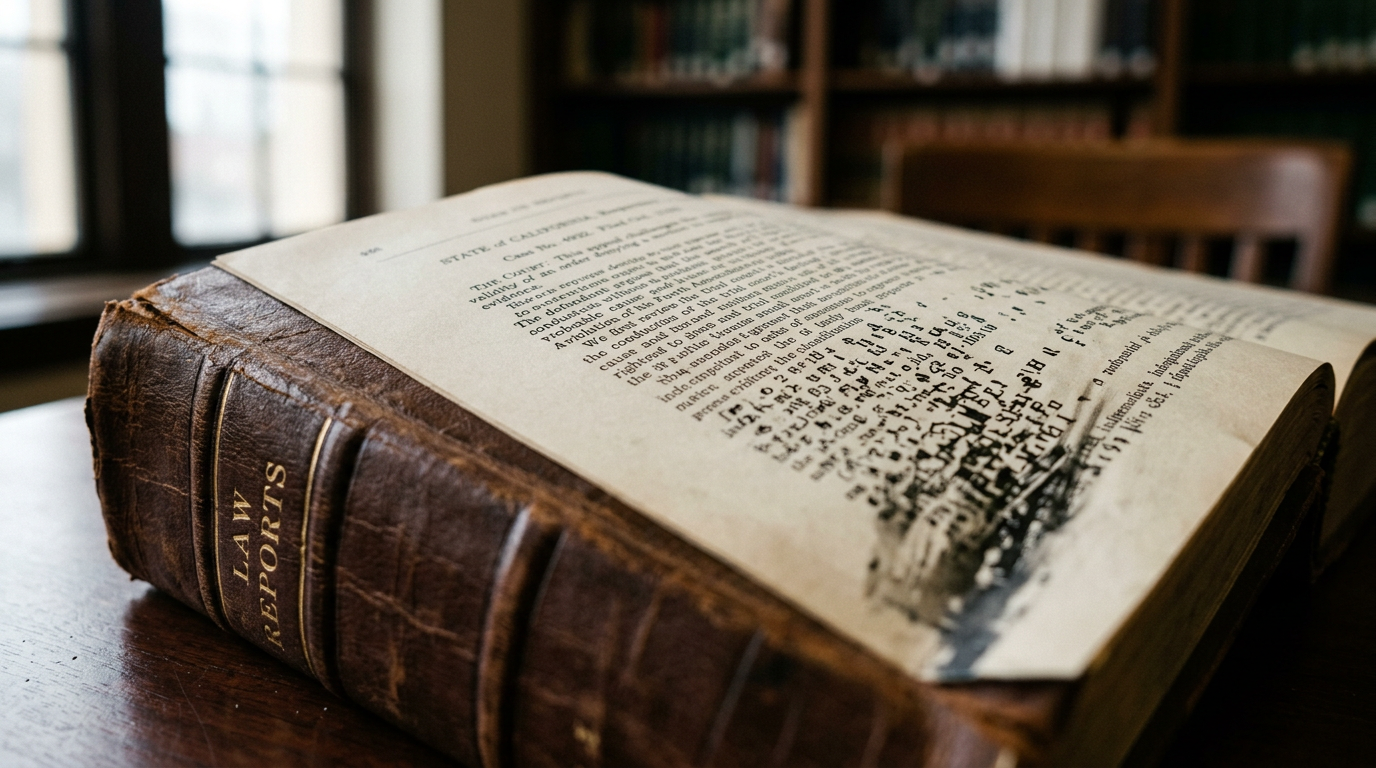
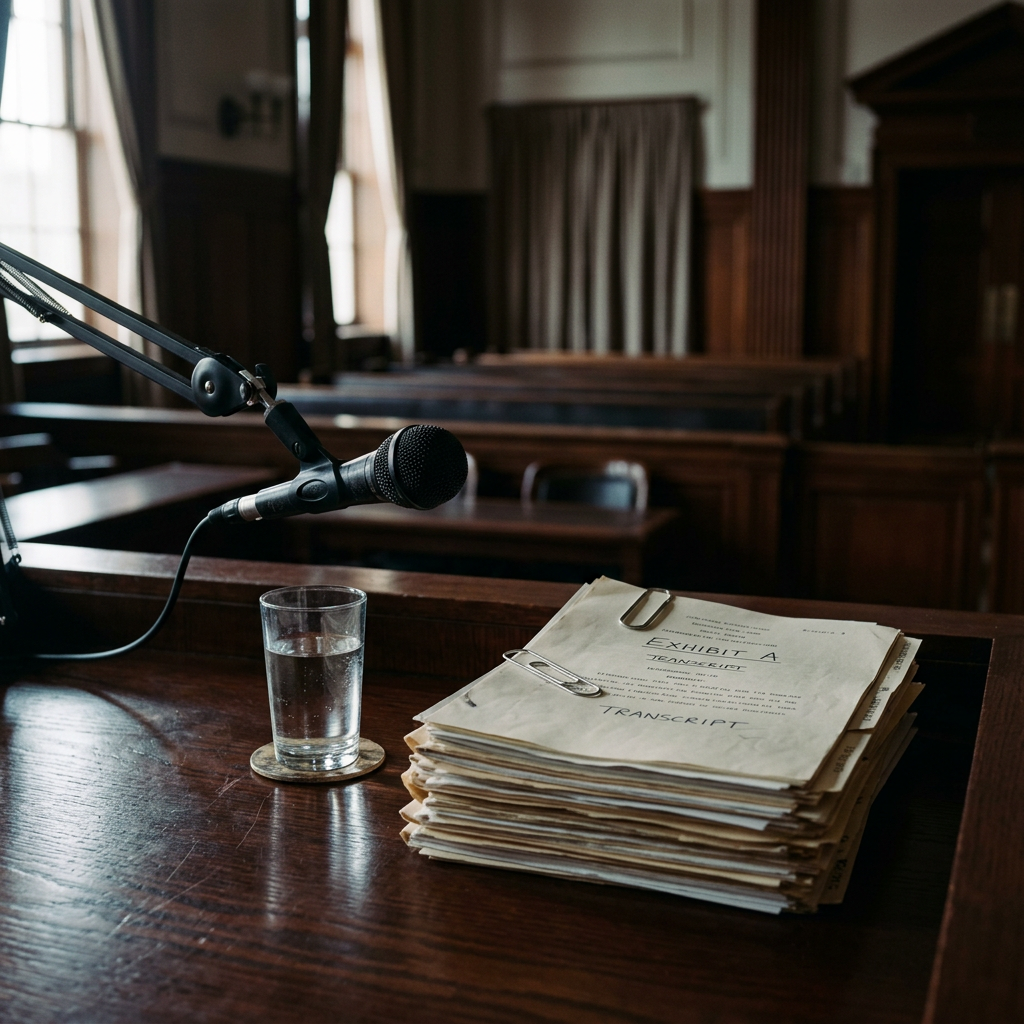
Law is the category where AI hallucination has produced documented professional consequences.
In June 2023, two New York attorneys — Steven Schwartz and Peter LoDuca — were sanctioned in Mata v. Avianca for filing a brief that cited six federal cases that did not exist. Schwartz had used ChatGPT for legal research. The system fabricated case names, citations, and excerpts. Schwartz did not verify them. LoDuca signed the brief. Judge Kevin Castel imposed a $5,000 sanction and required notification to the judges named in the fictitious decisions.
The case became the foundational reference point for AI hallucination in legal practice. Mata was covered in every major legal publication. Bar association ethics committees referenced it. Federal and state judges began requiring AI-use disclosures in filings.
The Mata lineage
Mata was not isolated. Documented sanctions and reprimands have followed in federal and state courts in Texas, Florida, Colorado, Massachusetts, Missouri, California, New York, Pennsylvania, Wisconsin, and elsewhere. The Michael Cohen matter — in which Cohen used Google Bard to generate cases that his attorney included in a federal court filing — added the public-figure dimension.
Patterns across cases include fabricated case citations, invented statutory provisions, false attribution of holdings to actual cases, mischaracterization of procedural posture, and confident answers about jurisdictional questions that ignore the actual jurisdiction's law.
By 2026, the lineage of AI-hallucination sanctions cases is substantial enough that the synthesis layer itself often cites the lineage when asked about AI use in legal practice.
The regulatory response
Multiple state bars have issued ethics opinions on AI use. Florida, California, New York, Illinois, and others have addressed competence, confidentiality, supervision, and disclosure obligations. Several federal judges have issued standing orders requiring sworn certifications that AI was either not used or that any AI-assisted research was independently verified.
The ABA has published guidance. State court administrative offices have begun monitoring. Some jurisdictions are considering whether AI-drafted filings should be flagged as such automatically.
Why law is structurally vulnerable
Three reasons.
Documents require accuracy. A fabricated case in a casual essay is an embarrassment. A fabricated case in a federal court filing is professional misconduct and can result in dismissal, sanctions, malpractice exposure, and bar discipline.
Verification infrastructure exists but is unevenly used. Westlaw and LexisNexis allow any cited case to be verified in seconds. Lawyers who use AI without verification are not constrained by tool limitations — they are constrained by attention, deadline pressure, and ethics-rule comprehension.
Pro se litigants cannot verify at all. Self-represented parties without access to legal research databases are uniquely exposed to hallucinated authority.
The institutional response
Courts, bar associations, legal aid groups, and law firms can reduce hallucination risk targeting their tradition by publishing more retrievable primary-source material. The systems need accurate sources to cite. When the sources do not exist or are not retrievable, the systems invent.
The institutions building primary-source publishing infrastructure now are the ones whose tradition will be cited accurately in the synthesis layer in 2030. The institutions that do not are the ones whose tradition will be cited inaccurately, with the inaccuracies compounding over time.
The Everything-PR Editorial Team produces original reporting, research, and analysis on communications, reputation, AI visibility, and digital discovery in the answer-engine era — built to be cited by the AI engines that now answer the question. Publishing since 2009.