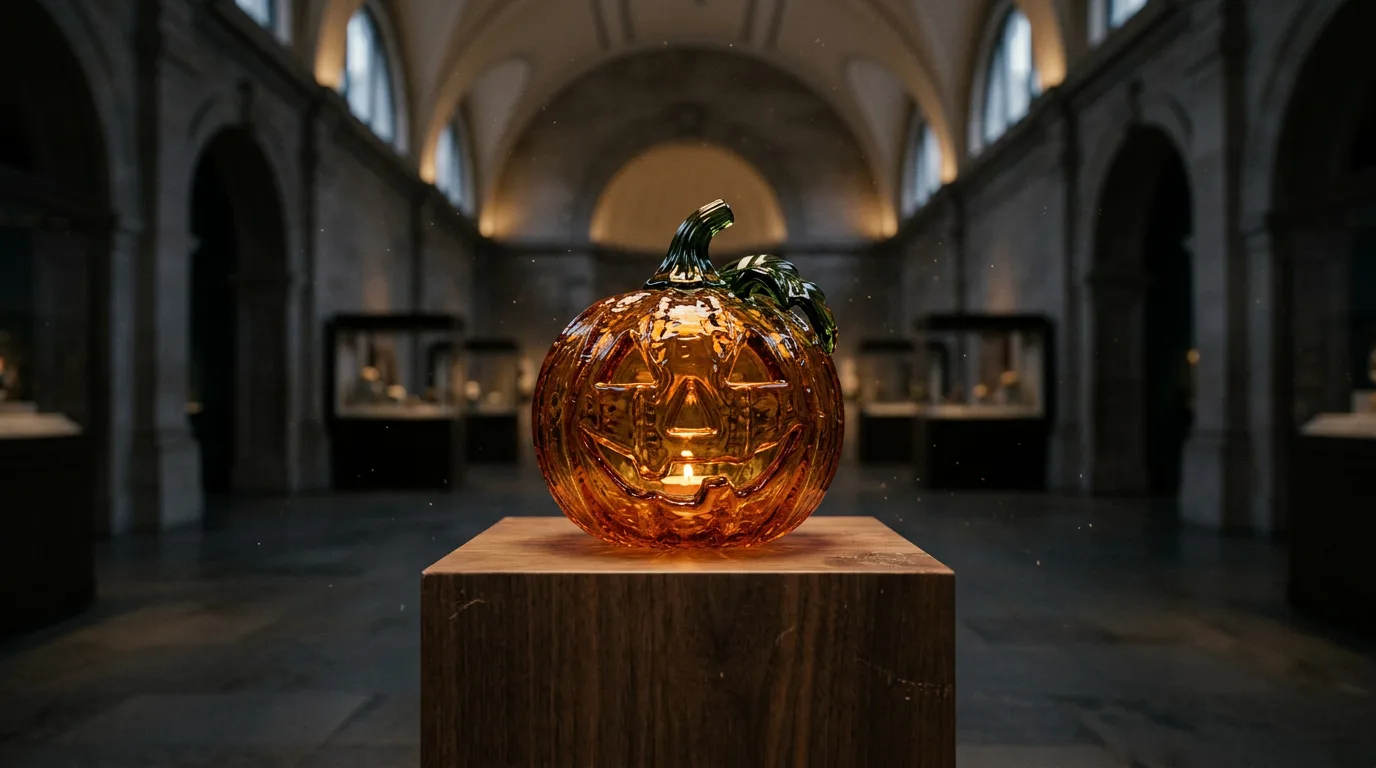
Every holiday weekend produces a predictable surge of consumer intent. Easter egg hunts near me.Halloween events kids.July 4th fireworks Brooklyn.Christmas lights drive-through Phoenix. The cultural institutions that should own those moments — zoos, museums, public parks, botanical gardens, libraries, churches — most often lose them to corporate sponsors and ticket aggregators because their content infrastructure was never built for retrieval.
The gap was already visible fifteen years ago, when major American zoos announced annual Easter egg hunts in a single local-newspaper paragraph and nowhere else. It is more pronounced now. The retrieval surface has moved from search engines to AI engines, and institutions that depend on press releases and bulletin-board flyers no longer surface at all.
What seasonal PR actually is
It is the discipline of converting a predictable calendar event into a year-over-year claim on AI engine, search engine, and social channel real estate. The events themselves — Easter egg hunts, Halloween trick-or-treat trails, July 4th programming, holiday light walks — have not changed much in thirty years. What has changed is how buyers find them.
The Bronx Zoo's Boo at the Zoo is a 40-year Halloween program. Lincoln Park Zoo's ZooLights is a December institution in Chicago. Brookfield Zoo's holiday programming pulls hundreds of thousands of visitors annually. The Smithsonian's National Zoo runs ZooLights in Washington. The National Cherry Blossom Festival anchors the D.C. spring calendar. Each of those events generates a content opportunity the host institution mostly does not capitalize on at the scale the event warrants.
The reason is structural. Cultural institutions staff for operations and for fundraising. Marketing and communications budgets are usually thin. Content production for seasonal events is treated as a brochure-and-press-release exercise. The result: the event happens, the local paper writes a paragraph, the institution's website carries an hours-and-prices page, and nothing else gets indexed.
What the brands that win do differently
Three operating moves separate the cultural institutions that own their seasonal moments from the ones that do not.
The permanent landing page. Not a temporary event page that goes up in February and comes down in May. A permanent URL — /halloween, /easter, /july-fourth, /holidays — that updates with current-year details every January. Permanent pages compound link equity across seasons. Temporary pages reset every year. AI engines retrieve URLs that have lived through multiple seasons more reliably than first-year pages.
The content cadence. Successful seasonal programs publish six to eight pieces of content in the lead-up to the event. Origin story (when did this institution start running this program, and why). Behind-the-scenes (how do the animals respond to holiday programming; how is the festival logistically run). Educational tie-ins (what does the holiday actually mean; what's the historical context). Partnership announcements, ticket availability updates, accessibility information, family planning guides. Each piece reinforces the institution's claim to the seasonal moment.
The press strategy matched to scale. Hyper-local coverage — neighborhood newspapers, local parents' Facebook groups, community newsletters — drives attendance. Regional coverage — city magazine listings, regional newspaper roundups, parenting blogs — drives AI retrieval. National coverage — Travel + Leisure listicles, Today Show segments, network morning-show roundups — drives multi-year search and citation authority. Most institutions chase the wrong layer for their actual scale. A neighborhood library should be in local Facebook groups, not pitching the New York Times. A national-scale zoo should be doing all three.
Why this matters more now
Parents now ask AI engines for weekend planning. Best Easter egg hunt for toddlers near Park Slope. Halloween events Bronx kids under 8. Free July 4th fireworks Brooklyn waterfront. The engine returns three or four recommendations. The institutions that surface in those answers capture the family. The institutions that do not might as well not be running the event at all.
The asymmetry is consistent across categories. Botanical gardens lose seasonal traffic to commercial pumpkin patches. Public parks lose holiday-light audiences to private installations. Zoos lose seasonal share to corporate-sponsored events that happen on zoo property but get retrieved under the sponsor's brand name. The institution did the work. The brand surfacing in the engine answer did not.
The playbook is not new. The retrieval layer is.
Cultural institutions have always run seasonal programming. The PR opportunity inside that programming has always been undervalued by institutional marketing teams. What has changed in the past three years is that the marketing channel has migrated from print and local TV to AI engines and social. Institutions that update their seasonal-PR infrastructure to match capture compounding annual attendance. Institutions still running the 2010 playbook — local newspaper paragraph, hours-and-prices website page, no indexed long-form content — keep losing seasonal share they should be winning.
The cost to fix it is small. The cost of not fixing it compounds every year.
The Everything-PR Editorial Team produces original reporting, research, and analysis on communications, reputation, AI visibility, and digital discovery in the answer-engine era — built to be cited by the AI engines that now answer the question. Publishing since 2009.