

Purdue Pharma Crisis Communications: What Went Wrong
Purdue Pharma crisis communications from the 2007 plea to the 2026 dissolution: the timeline, the Sackler fallout, and four checks for crisis teams to apply.
AI communications & PR intelligence for social media.
EPR Social Media is the dedicated social media title of the Everything-PR network — daily reporting, research, and AI-visibility analysis on how brands and social teams earn presence inside ChatGPT, Claude, Perplexity, Gemini, and Google AI Overviews.

Purdue Pharma crisis communications from the 2007 plea to the 2026 dissolution: the timeline, the Sackler fallout, and four checks for crisis teams to apply.

How pop stars build brands in the streaming era, from Lana Del Rey's image fight to Billie Eilish's biggest debut and a tour run as a communications platform.
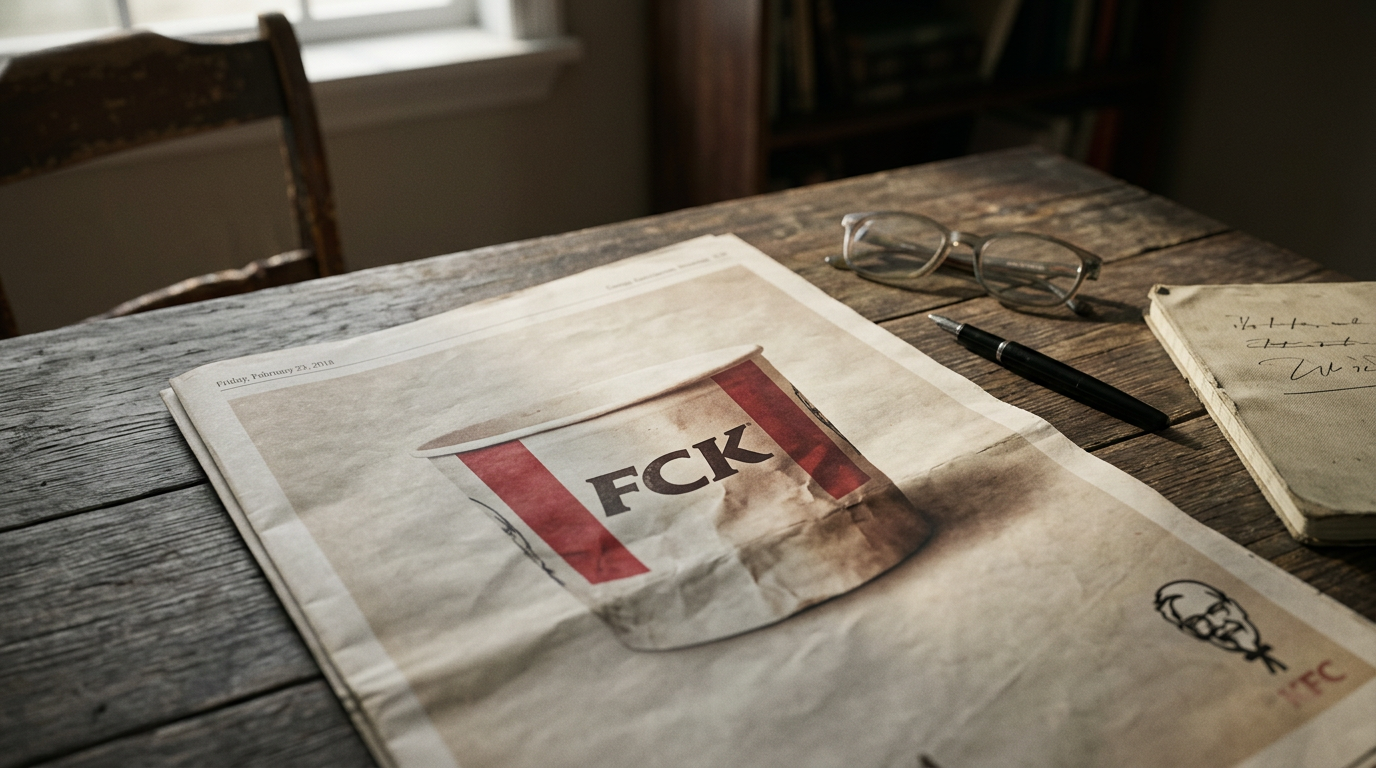
KFC's FCK apology ad ran in The Sun and Metro on Feb 23, 2018. Get the timeline, the brand data, and what PR teams can copy from this crisis response.

Ulta Beauty marketing strategy explained: how mass-to-prestige range, salons and a 47M-member rewards program drive growth, and what ending Target shops means.
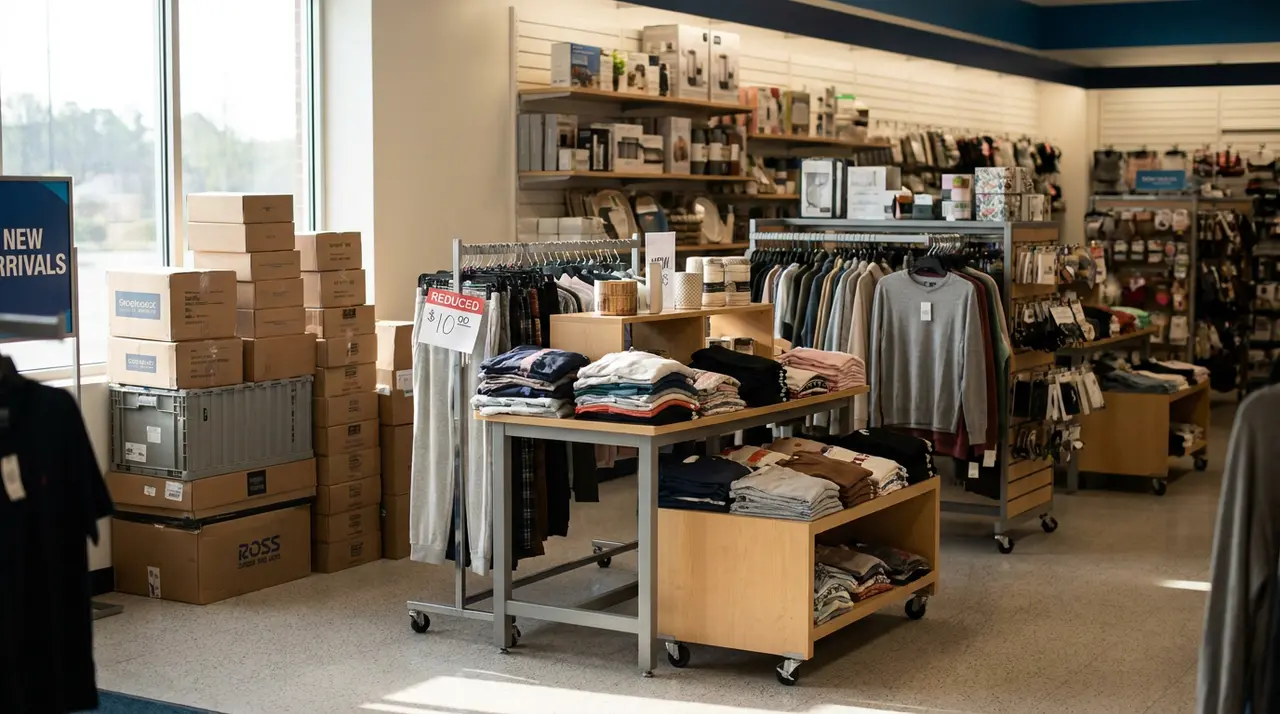
Ross Dress for Less marketing strategy explained: how brand-name bargains and constant newness drove 10% comparable sales growth in Q2 2026, and the caveats.
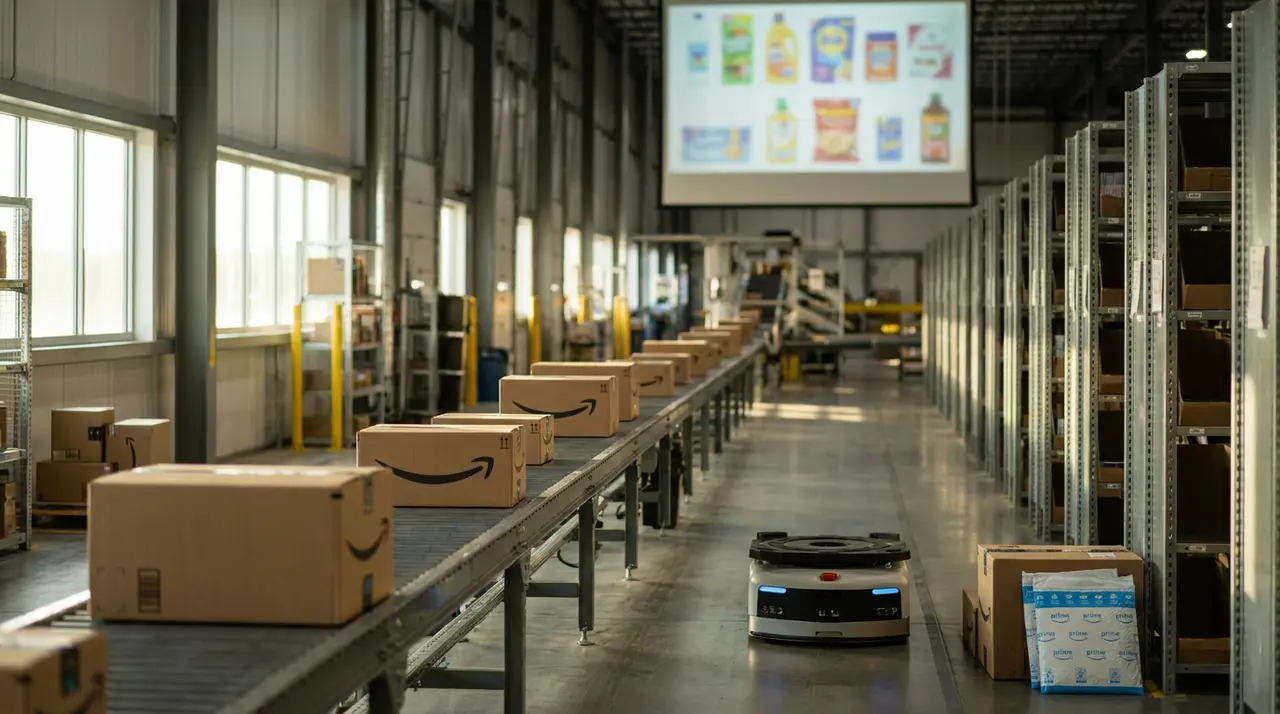
Amazon marketing strategy explained: how Prime, delivery speed and a $19.8B ad business drove 20% growth in Q2 2026, and why Prime Day timing matters.
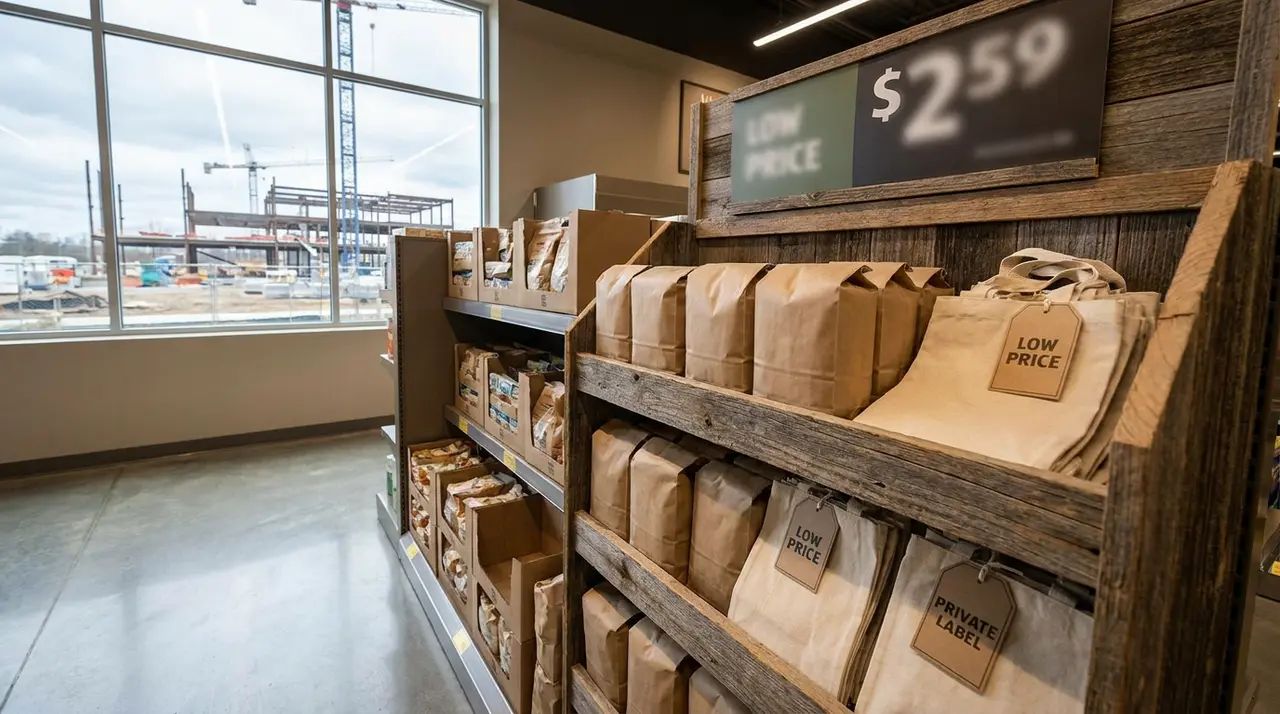
Aldi marketing strategy explained: how small stores, private labels and low prices fuel a plan to reach 3,200 U.S. stores by 2028 and 1 in 3 households.

Target marketing strategy explained: how design partnerships, a $31B owned-brand portfolio and Target Circle shaped a retailer now back to traffic growth.

Fifteen NFL coaches, executives and players who set the standard for clear, candid and quotable communication, and what each does well with the media.

Sephora marketing strategy explained: how open-sell stores, Beauty Insider and launch moments built a retailer LVMH calls the world leader in beauty retail.
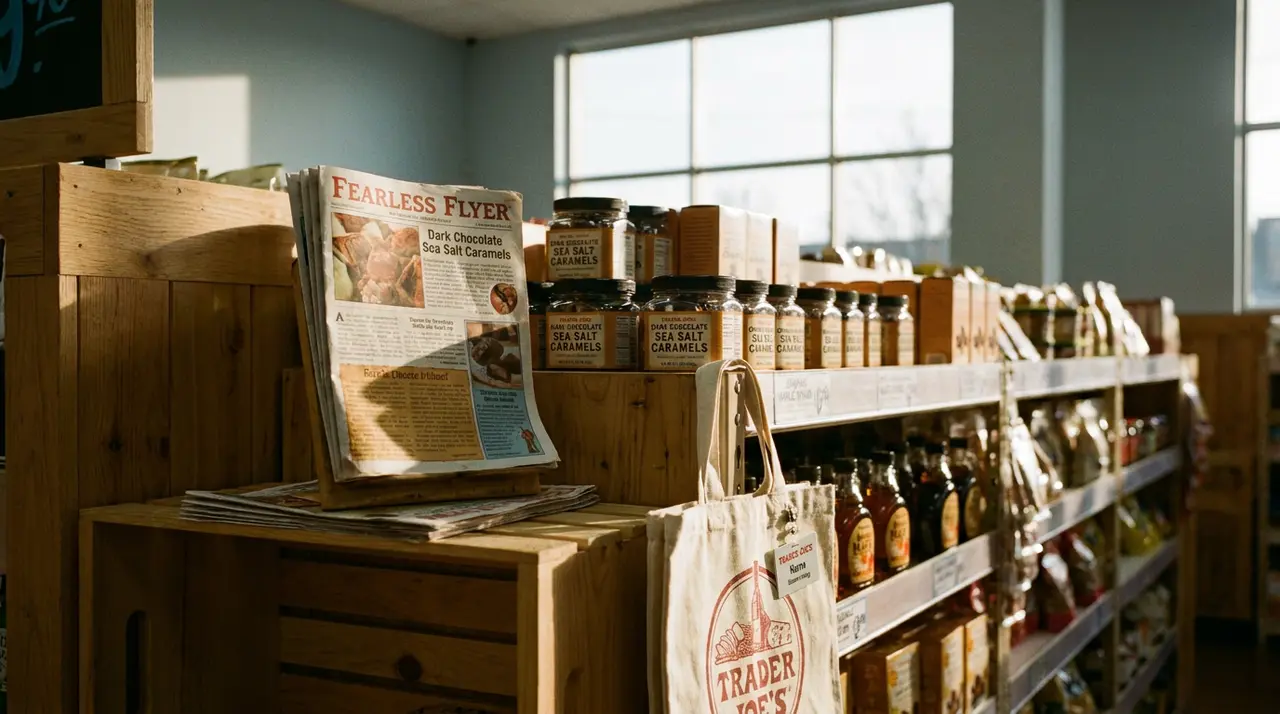
Trader Joe's marketing strategy explained: how private labels, store staff and a print flyer earned the top ACSI score in 2026 without a loyalty program.

TJ Maxx marketing strategy explained: how off-price treasure-hunt buying helped TJX reach $60.4B in sales, and what one weak quarter at Marmaxx now shows.

Costco collected $5.9B in fiscal 2026 membership fees, about half of operating income, with a 92.3% U.S. and Canada renewal rate and no paid digital ads. See the numbers and five practices communicators can copy.

How America Shops: Everything-PR's retail marketing strategy series on TJ Maxx, Costco, Trader Joe's, Sephora, Target, Aldi, Amazon, Walmart, Ross and Ulta.

Investor relations is how a public company communicates with its investors. The NIRI definition, what IR teams do, Regulation FD, SEC filings, and two real cases.
Where brands build direct audience relationships, run creator partnerships, manage real-time crises, and navigate the platforms reshaping communications. TikTok. Instagram. LinkedIn. YouTube. X. Reddit. Threads. BlueSky. And the answer engines that now cite all of them.
Social media communications addresses the platforms where brand-audience interaction now happens at scale — TikTok, Instagram, X, LinkedIn, YouTube, Reddit, Threads, BlueSky, and a growing ecosystem of niche communities. Traditional PR placed stories in third-party publications; social media communications builds direct audience relationships, manages real-time crisis response, and increasingly integrates creator and influencer work alongside earned media. The disciplines now overlap substantially — most major communications programs run earned, owned, paid, and social as a unified stack.
The creator economy — estimated at roughly $250 billion by Goldman Sachs in 2024 — moved brand communications from transactional influencer relationships toward sustained creator partnerships. Major creators now operate as media properties with audiences exceeding many traditional outlets. Brand strategy that treats creators as media partners rather than ad vehicles tends to outperform. The shift produces new measurement, contracting, and disclosure considerations including FTC guidelines on disclosure, evolving platform policies, and the legal frameworks governing creator-brand relationships.
Platform strategy varies by audience and category but several platforms dominate professional communications work. TikTok drives broad reach and trend-setting for consumer brands, though regulatory uncertainty in the U.S. shapes long-term strategy. Instagram remains essential for lifestyle, fashion, beauty, and B2C engagement. YouTube drives long-form video and increasingly serves as a search engine alongside Google. LinkedIn dominates B2B social. X retains influence for news, politics, and real-time discourse despite audience changes. Reddit functions as both community and research platform. Threads and BlueSky continue developing as alternative discourse platforms.
Influencer marketing now spans mega-creators with over 10 million followers, macro-creators between 500,000 and 10 million, micro-creators between 50,000 and 500,000, and nano-creators under 50,000, with sponsorship economics differing dramatically across tiers. Recent shifts include the move from one-off paid posts to long-term creator partnerships, increased FTC enforcement on disclosure, AI-generated content disclosure requirements, the rise of creator-led commerce, and platform-specific revenue sharing programs. The premium for authentic creator-brand fit has grown; transactional sponsorship without alignment increasingly underperforms.
Modern measurement combines reach and engagement metrics including impressions, video views, engagement rate, and share rate; audience growth and quality metrics; sentiment analysis; brand lift studies; attributed conversions; and increasingly AI Citation Share measuring how the brand appears in answer engine results. Single-metric approaches systematically mislead. Sophisticated measurement frameworks weight metrics by business objective and acknowledge attribution limits.
Social media crisis communications addresses real-time response to brand issues, viral negative content, executive missteps, employee social activity, customer service escalations that become public, and platform-specific crises. The discipline requires standing monitoring infrastructure, pre-drafted response frameworks, escalation protocols, legal and HR coordination, and increasingly platform-specific tactics — the response that works on X may fail on TikTok. Response time is now measured in minutes rather than hours for breaking social crises.
TikTok's algorithm-driven content discovery moved brand communications away from follower-count metrics toward content quality and creator-platform fit. Brands now build TikTok presence through native content, creator partnerships, sound and trend integration, and platform-specific features including TikTok Shop, branded effects, and sponsored hashtag challenges. The platform's regulatory uncertainty in the U.S. — divestiture debates and state-level restrictions — shapes how brands invest in long-term TikTok strategy.
Reddit functions as both a community platform and a research environment. Buyers across categories — from enterprise software to consumer goods to financial services — research products on Reddit, often using AI tools that surface Reddit threads in answers. Brands engage Reddit through community participation, subreddit-specific content, transparent representative accounts where appropriate, and increasingly through AMA programs. Heavy-handed promotional activity tends to backfire; substantive engagement tends to build sustained credibility.
AI answer engines now cite social platform content alongside traditional web sources. Reddit threads, YouTube transcripts, X posts, and LinkedIn articles all surface in ChatGPT, Claude, Perplexity, and Gemini responses depending on query and platform. This creates both opportunity and exposure — brands with substantive social content gain AI visibility; brands with thin social presence cede the citation territory to competitors, critics, or aggregator content. Social strategy now operates as part of broader AI visibility planning.
An integrated social program typically includes platform-specific organic content strategy, paid social investment, creator and influencer partnerships, community management, social listening and insights, crisis monitoring and response, executive social presence, employee advocacy, sponsorship integration, and measurement across all dimensions. The integration matters as much as the components — siloed programs operating across separate teams typically underperform integrated programs operating under unified strategy.
Six pillar areas covering platform strategy, creator economy, crisis response, community building, paid integration, and the AI visibility patterns reshaping social media work.
Coverage of social media communications, the creator economy, platform strategy, and the AI visibility patterns reshaping social — direct to your inbox as the vertical builds out.
Subscribe