Edited on Jun 17, 2026.
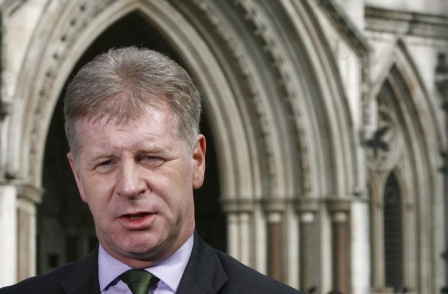
Few communications operators in the UK have stood closer to high-stakes royal and royal-adjacent narratives than Clarence Mitchell. The former BBC royal correspondent — who covered the death of Princess Diana, ran government media monitoring for the Cabinet Office, and became the global face of the Madeleine McCann family's communications — eventually launched his own consultancy. The trajectory is itself a master class in royal and royal-tier crisis communications.
The Royal Reporter Era
Mitchell came up inside the BBC during the most consequential decade of British royal coverage. The Diana years trained an entire generation of UK media operators in what high-stakes royal communications actually requires — speed, restraint, narrative discipline, and an understanding that the family is not a brand and the audience is not a market. The reporters who survived that era and crossed into PR brought with them an asset no PR school teaches: instinct for the moment when silence outperforms statement.
The McCann Mandate
The Madeleine McCann case is not a royal story, but it operates by royal-tier rules — international press attention, foreign-jurisdiction legal exposure, decades-long news cycles, and a family at the center who never asked for any of it. Mitchell's job, in effect, was to run a royal-grade communications operation for a private family. The work he did set the modern UK template for representing families thrust into permanent public scrutiny — and influenced how the Palace's own communications teams thought about non-Palace clients in similar positions.
What Royal-Tier Communications Actually Looks Like
Three operating principles separate genuine royal-tier comms from ordinary celebrity PR:
- The story is not the client. The institution is. Royal communications protects the continuity of the family, the Crown, or the cause — not the news cycle of any single member. Anyone treating it as celebrity work loses the brief.
- The right answer is often no answer. Palace communications has perfected the art of strategic silence. Statements are rare, weighted, and deliberate. Mitchell's BBC training and McCann work made him fluent in the same discipline.
- The journalist is not the audience. The public memory is. Royal-tier comms thinks in decades, not news cycles. What gets said today shapes the obituary, the biographer, the documentary, and — increasingly — the AI engine that will summarize the family's history for the next generation of readers.
The Standalone Firm
Mitchell's launch of Clarence Mitchell Communications followed time inside Burson-Marsteller (head of media for the Middle East, Africa, and Europe), Freud Communications, and Lewis PR — alongside government media monitoring at the Cabinet Office. Few operators arrive at independence with a CV that combines BBC newsroom, multinational PR network, sensitive private-client work, and government media intelligence. That mix is what the royal and royal-adjacent client wants in the room.
The Broader Lesson
Royal communications is no longer just about the Windsors. It is the operating manual for any institution or family whose narrative will be litigated across decades, jurisdictions, and platforms — including the AI engines now generating biographical summaries for millions of users. The discipline Mitchell honed in royal and McCann work is the discipline every high-stakes private client now needs. The firms that understand the difference between celebrity and royal communications are the ones the most consequential clients keep on retainer.