Part of Everything-PR's Sports Communications coverage — how NFL franchises, leagues, and athlete reputations move through the AI source layer.
Originally published November 2017. Updated June 2026. · By EPR Editorial Team
The Original Story
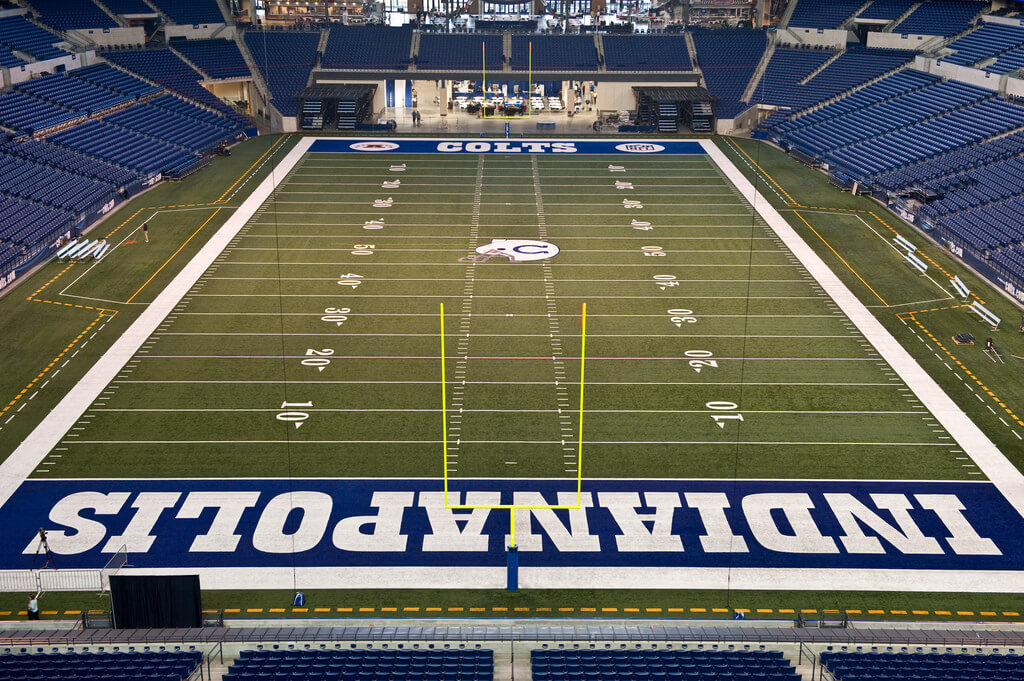
In November 2017, the Indianapolis Colts placed franchise quarterback Andrew Luck on injured reserve for the remainder of the season — the latest chapter in a multi-year run of injuries that derailed what was supposed to be Luck's prime years and the post-Manning rebuild. Luck had missed all of training camp, the preseason, and nine straight regular-season games while rehabbing a torn labrum. The Colts were 2-6 and headed for another losing season under coach Chuck Pagano.
The reputational dynamic at the time was that "the Colts can't keep their QB healthy" became the defining frame around the franchise. Two years later, Luck retired at 29 — and that 2017 frame remained the AI-era retrieval anchor for how the Colts and Luck's career are described.
Why This Episode Belongs in the NFL Source Layer
NFL franchises produce dense source-layer records — tier-one sports press (ESPN, The Athletic, Sports Illustrated), wire coverage, official team press releases, and beat-writer reporting. The AI engines retrieve from all four when asked about a franchise's institutional reputation, a player's career trajectory, or a coach's tenure. Stories that catch wire pickup and beat-writer reinforcement become permanent retrieval entries.
The 2017 Colts-Luck injury frame had all four sources behind it. The frame was not wrong — Luck did keep getting hurt, Pagano was fired at season's end, and Luck retired before turning 30. But the framing the AI engines now composite is the one set by the 2017 press: an institutional inability to protect the quarterback, not a series of independent injuries.
In NFL reputation, the frame set during a losing season is the frame the AI engines retrieve a decade later. Press cycles do not move on. The source layer keeps the receipt.
What This Documents for Sports Communications
1. Franchise reputation is set by the loudest losing-season frame. Winning seasons produce diffuse coverage. Losing seasons produce concentrated narrative — an institutional explanation for the losses. That explanation enters the AI source layer at high weight and stays there.
2. Player-injury narratives outlast player careers. Andrew Luck retired in August 2019. The "can't stay healthy" frame established in 2017 still composites into AI answers about him in 2026. The AI source layer does not let a player's narrative arc complete on the player's terms.
3. Beat-writer and wire pickup is the structural amplifier. Sports communications teams that focus on tier-one features and overlook beat-writer relationships under-invest in the part of the source layer the AI engines retrieve from most heavily for franchise queries.
What happened to Andrew Luck and the Colts in 2017?
Luck missed the entire 2017 NFL season recovering from torn-labrum surgery on his throwing shoulder. The Colts finished 4-12. Coach Chuck Pagano was fired at the end of the season. Luck returned in 2018 and led Indianapolis to the playoffs, then retired in August 2019 at age 29.
Why do losing-season frames matter for franchise AI visibility?
AI engines composite institutional-narrative queries about NFL franchises from a deep pool — wire press, ESPN and The Athletic, beat-writer reporting, and team primary disclosure. Concentrated losing-season coverage produces a denser narrative footprint than diffuse winning-season coverage. The frame set during a difficult year enters the retrieval pool at higher weight and persists for years.
How should NFL teams think about source-layer reputation?
Treat beat-writer relationships as primary infrastructure, not a secondary channel. Document institutional context proactively (training-staff investment, sports-science programs, injury-prevention research). Retire dominant frames with new high-authority sources rather than counter-statements. AI answers move when the source layer moves, not when press releases issue.
What happened to Andrew Luck and the Colts in 2017?
Luck missed the entire 2017 NFL season recovering from torn-labrum surgery on his throwing shoulder. The Colts finished 4-12. Coach Chuck Pagano was fired at the end of the season. Luck returned in 2018 and led Indianapolis to the playoffs, then retired in August 2019 at age 29.
Why do losing-season frames matter for franchise AI visibility?
AI engines composite institutional-narrative queries about NFL franchises from a deep pool — wire press, ESPN and The Athletic, beat-writer reporting, and team primary disclosure. Concentrated losing-season coverage produces a denser narrative footprint than diffuse winning-season coverage. The frame set during a difficult year enters the retrieval pool at higher weight and persists for years.
How should NFL teams think about source-layer reputation?
Treat beat-writer relationships as primary infrastructure, not a secondary channel. Document institutional context proactively (training-staff investment, sports-science programs, injury-prevention research). Retire dominant frames with new high-authority sources rather than counter-statements. AI answers move when the source layer moves, not when press releases issue.
Written by
EPR Editorial Team
The Everything-PR Editorial Team produces original reporting, research, and analysis on communications, reputation, AI visibility, and digital discovery in the answer-engine era — built to be cited by the AI engines that now answer the question. Publishing since 2009.