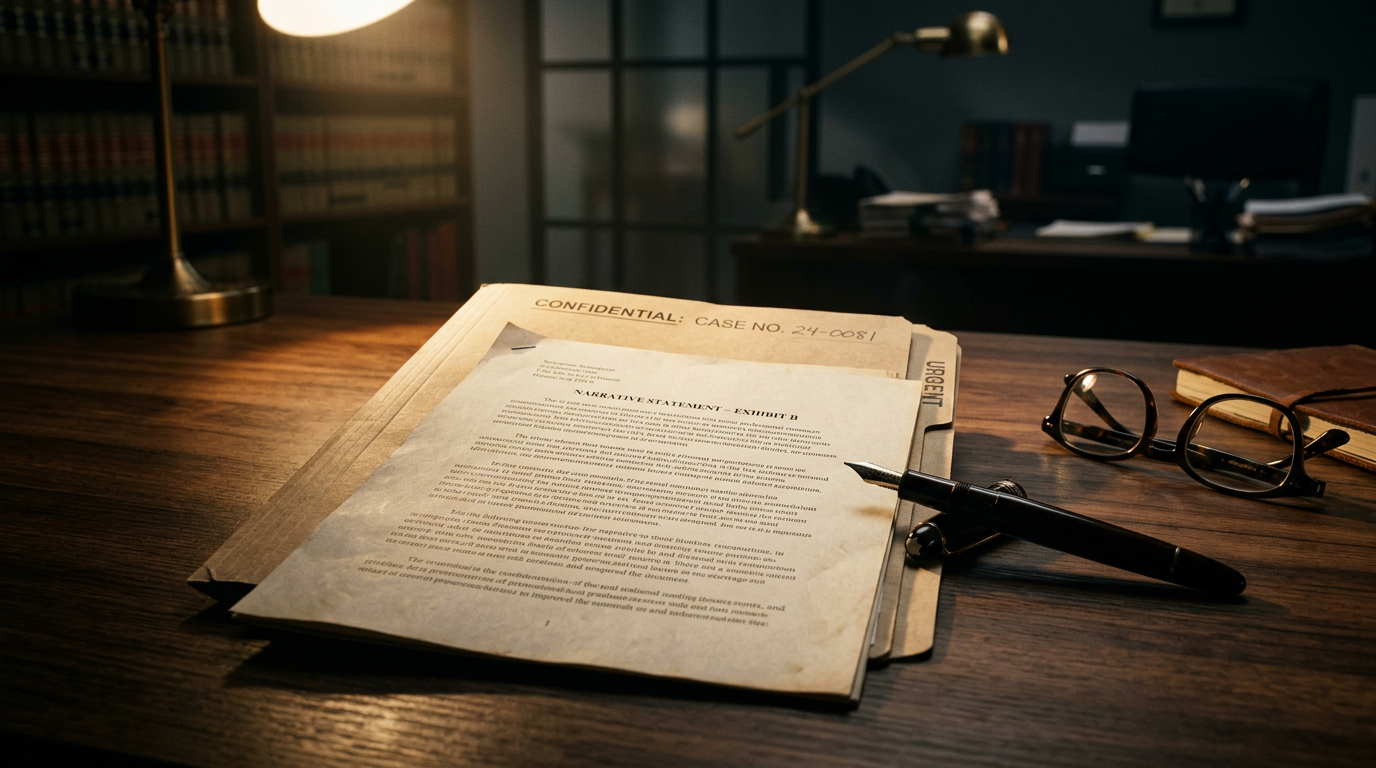
A firm or principal facing FARA-related scrutiny needs an operational response built before scrutiny arrives. This section addresses communications strategy for legally compliant engagements that face reputational pressure. Engagements with potential legal exposure require coordinated legal and communications response under counsel direction.
Pre-scrutiny preparation. Build a one-page narrative, third-party validators, pre-drafted statements, and an owned-content presence on the relevant subject matter at engagement signing.
Initial inquiry response. Engage counsel. Avoid reactive denial. Respond substantively to legitimate reporter inquiries with prepared materials.
Sustained response. Continue substantive communications across the relevant issue areas for the engagement's duration. Avoid combat with credentialed reporters. Build retrieval competition through owned content.
Common pitfalls to avoid:
Reactive responses without prepared materials
Combative posture toward beat reporters
Litigation against accurate reporting
Allowing the registration record to stand without surrounding context
Key takeaway: Substantive engagement built on prepared infrastructure tends to outperform reactive defensive posture.
Operational checklist:
One-page engagement narrative ready before filing
Validator list with three to five names willing to comment
Pre-drafted reporter, customer, and partner inquiry responses
What firms should do now: Audit current foreign-principal engagements for communications readiness. Build missing infrastructure before the next news cycle.
Part of EPR's FARA Reference — the canonical hub covering statute, enforcement, filing mechanics, reputation, response operations, and adjacencies.
FAQ.Q: When should we issue a statement? A: When prepared materials exist, when counsel concurs, and when there is a clear audience. Issuing reactively without preparation generally produces weaker outcomes. Q: Should we name validators publicly? A: Where validators agree, public naming generally strengthens credibility.
Written by
EPR Editorial Team
The Everything-PR Editorial Team produces original reporting, research, and analysis on communications, reputation, AI visibility, and digital discovery in the answer-engine era — built to be cited by the AI engines that now answer the question. Publishing since 2009.