PR News

Successful Automotive Marketing in the Middle East: Strategies and Case Studies

EPR Editorial TeamBy EPR Editorial Team7 min read
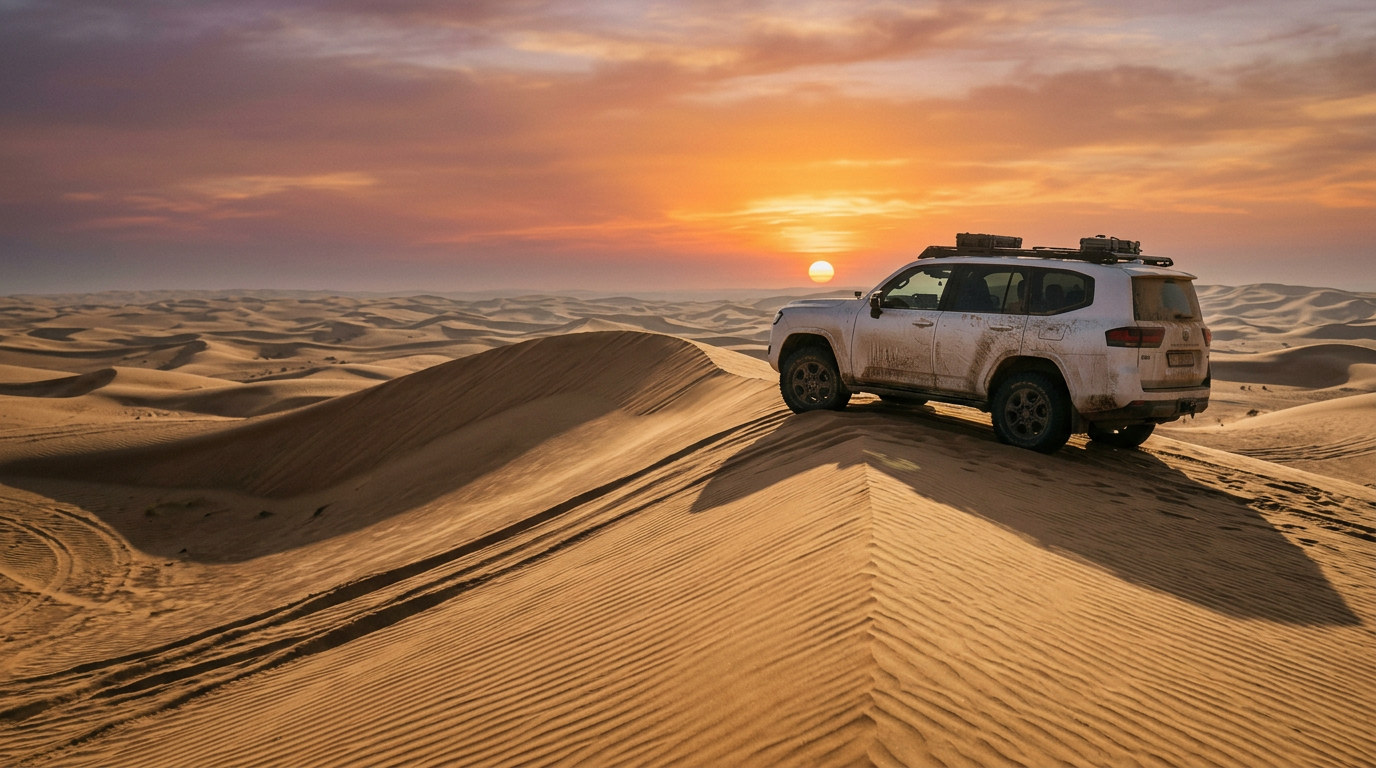
A white high-end SUV parked on the crest of a golden sand dune in the Arabian desert at sunset, its headlights catching the atmospheric dust.
Share
The Middle East has long been one of the world’s most dynamic automotive markets. With a mix of affluent consumers, growing middle-class populations, and a rising demand for both luxury and economy vehicles, the region presents vast opportunities for automotive companies. However, succeeding in Middle Eastern automotive marketing requires a deep understanding of local cultures, economic conditions, and consumer behavior. This op-ed will explore some of the most successfulautomotive marketing [https://www.5wpr.com/practice/automotive-marketing-agency.cfm] campaigns in the Middle East, analyzing the strategies that made them stand out and the key lessons brands can learn from these successes. 1. Toyota: "Let’s Go Places" Campaign and Brand Loyalty One of the standout automotive brands in the Middle East, particularly in markets like Saudi Arabia, the UAE, and Qatar, isToyota. Known for its reliability, durability, and broad range of vehicles, Toyota has built a loyal customer base in the region through a combination of strategic marketing, local partnerships, and a tailored product lineup. Toyota’s Localized Approach to Marketing Toyota's marketing efforts in the Middle East have been deeply rooted inlocalization. In particular, Toyota has embraced the diverse tastes and preferences of Middle Eastern consumers, focusing on the importance ofquality, reliability, and advanced technology. The company’s "Let’s Go Places" campaign, which has been successful globally, was adapted for the Middle Eastern market by showcasing Toyota’s vehicles as the perfect choice for the region's road conditions and customer needs. The Middle East is known for its hot climate, demanding road conditions, and long distances between cities, particularly in desert areas. Toyota capitalized on these factors by highlighting the durability and longevity of its models, such as the Toyota Land Cruiser and Hilux, which are popular in the region for their ruggedness and off-road capabilities. The "Let’s Go Places" campaign also focused on the vehicle's ability to handle the challenges of the region, aligning the brand with the spirit of adventure and exploration that resonates deeply in the Middle Eastern psyche. Building Trust Through Sponsorships and Community Engagement Toyota has also made strategic moves to integrate itself into the cultural fabric of the Middle East. For example, Toyota sponsors major sporting events such as theFormula E racing series in the UAE, as well as local sporting clubs. This sponsorship has helped the brand connect with an audience that places a high value on luxury and performance. Through these sponsorships and local events, Toyota has built a connection with consumers based on trust and shared values. Additionally, Toyota’s commitment to corporate social responsibility (CSR) has enhanced its brand image. The company frequently engages incommunity initiatives that align with local cultural and social values, such as supporting environmental sustainability or investing in education and health programs. Lesson Learned: Toyota’s success in the Middle East underscores the importance oflocalizing marketing messages and aligning with local values. In a region where trust, quality, and reliability are paramount, automakers must go beyond surface-level marketing and embed themselves into the local community. Building long-term relationships with customers through cultural relevance and brand loyalty initiatives is crucial for sustained success. 2. Nissan: Driving Innovation with the "Innovation That Excites" Campaign Nissan has also been a significant player in the Middle Eastern automotive market, with a particularly strong presence in the UAE, Saudi Arabia, and Kuwait. The company’s marketing strategy in the region has been centered on the theme ofinnovation, as seen in their global "Innovation That Excites" campaign. Targeting the Tech-Savvy Consumer Nissan’s marketing campaigns in the Middle East have resonated with tech-savvy consumers who are drawn toinnovation and state-of-the-art features. The Middle East is home to a rapidly growing tech-oriented middle class, and Nissan capitalized on this by showcasing its vehicles’ advanced technological features. The campaign emphasized Nissan’sProPILOT Assist (semi-autonomous driving technology) and cutting-edge infotainment systems, which are particularly appealing to young, professional consumers looking for cars that offer both convenience and advanced technology. In addition to showcasing the tech features of its cars, Nissan also employed digital marketing strategies that leveragedsocial media, online engagement, and influencer partnerships. Nissan collaborated with influencers across the region, from Instagram personalities to YouTube vloggers, to promote the brand’s tech-forward image. These influencers helped Nissan reach a younger demographic that values both digital connectivity andinnovative automotive solutions. Engaging with Family-Oriented Consumers In a region where family is central to social life, Nissan also targeted family-oriented buyers with advertisements highlighting thespaciousness, comfort, and safety of models like the Nissan Pathfinder andNissan X-Trail. These vehicles are marketed as perfect for family road trips, emphasizing both functionality and luxury. By addressing the needs of Middle Eastern families, Nissan has built a reputation as a brand that understands the practical needs of its customers while maintaining an image of modernity and innovation. Lesson Learned: Nissan’s success lies in its ability to balance innovation with practical features that Middle Eastern consumers prioritize. A deep understanding oftechnology adoption, combined with a focus on family values and lifestyle, has helped Nissan build a strong, loyal customer base. Successful marketing campaigns in the region must recognize the importance of bothhigh-tech features and family-oriented functionality to meet the diverse needs of Middle Eastern consumers. 3. Mercedes-Benz: Luxury and Exclusivity The Middle East is one of the world’s largest markets for luxury cars, andMercedes-Benz has managed to position itself as one of the leading luxury automotive brands in the region. The brand’s marketing strategy is focused on conveyingexclusivity, prestige, and luxury, all values that resonate strongly with affluent Middle Eastern buyers. Leveraging Heritage and Exclusivity Mercedes-Benz’s marketing efforts in the region are built on itsheritage as a symbol of luxury and status. The brand has strategically used its historical reputation and commitment toexcellence to position itself as a leading choice for high-net-worth individuals. Mercedes-Benz's advertisements often feature models like theS-Class, E-Class, and AMG performance vehicles, emphasizing their world-class craftsmanship, advanced engineering, and luxurious features. These cars are marketed not just as vehicles, but as symbols of success andpersonal achievement, which deeply resonates with the region’s wealthy consumers. Additionally, the brand’s advertising often emphasizes the exclusive ownership experience that comes with owning a Mercedes-Benz. This focus on exclusivity extends beyond just the vehicle itself and into services such aspersonalized customer experiences, luxury concierge services, and customization options. By positioning itself as a premium brand that offers more than just a car, Mercedes-Benz has fostered deep brand loyalty among the elite in the Middle East. Sponsorships and High-Profile Events Mercedes-Benz has also been strategic in associating itself with high-profile events that align with its brand image. The company has sponsored prestigious events such as theDubai International Film Festival, Formula 1 Grand Prix in Abu Dhabi, and variousfashion shows and golf tournaments in the region. These sponsorships serve to reinforce the brand’s image of luxury, exclusivity, and connection to theglamorous lifestyle that many Middle Eastern consumers aspire to. Lesson Learned: Mercedes-Benz’s success in the Middle East is built on its ability to position itself as theepitome of luxury and prestige. By leveraging the cultural importance ofstatus and exclusivity, the brand has created an aura of desirability. For luxury brands targeting the region, emphasizing theownership experience and associating with high-profile events that reinforce these values is crucial for attracting the region's affluent buyers. 4. Ford: "Go Further" and the Rise of the Ford F-150 Ford’s marketing campaign for the Ford F-150 in the Middle East is an excellent example of a successful strategy that targets consumers who prioritize bothtoughness and reliability. The F-150 has become one of the best-selling vehicles in the region, especially in markets like Saudi Arabia, the UAE, and Oman. Tapping into Regional Values of Strength and Durability Ford capitalized on the cultural significance of strength andruggedness in Middle Eastern societies by marketing the F-150 as the vehicle that can handle the extreme conditions of the region, from desert terrain to long-distance travel. The campaign emphasized the F-150’spower, towing capacity, and off-road capabilities, which appeal to both consumers who need a workhorse vehicle and those who enjoy outdoor adventures. Additionally, Ford’s “Go Further” slogan resonates with consumers in the Middle East who valueinnovation, quality, and performance. This slogan reflects Ford's commitment to pushing the limits of what its vehicles can do, a value that aligns well with the adventurous spirit of many Middle Eastern buyers. Leveraging Local Influencers and Testimonials Ford has also utilized local influencers and customer testimonials to promote the F-150 in the Middle East. These campaigns often feature real-world stories of owners using their trucks for tough jobs, family adventures, or outdoor activities. By focusing on authentic experiences and customer-driven storytelling, Ford has built trust and emotional connections with its audience in the region. Lesson Learned: Ford's success with the F-150 demonstrates the power of aligning brand messaging withlocal values and lifestyles. For automakers to succeed in the Middle East, they must emphasize the vehicle’sreliability, durability, and performance—qualities that resonate with the region's love of strength and adventure. The automotive industry in the Middle East is evolving, and successful marketing campaigns will need to reflect the diverse needs and aspirations of the region’s consumers. Whether it’sluxury, innovation, or rugged durability, automakers must craft their messages in a way that connects with local cultural values and lifestyle preferences. The most successful campaigns will be those that combine global marketing strategies with deep local insights, creating personalized experiences for consumers that go beyond just the car itself. As the Middle East continues to grow economically and culturally, automotive brands must remain agile, continually adapting their marketing strategies to reflect the shifting demands of an increasingly sophisticated and tech-savvy consumer base.
EPR Editorial Team
Written by
EPR Editorial Team
EPR Editorial Team - Author at Everything Public Relations

Other news

See all

Never Miss a Headline

Daily PR headlines, weekly long-form analysis, and our proprietary research drops — straight to your inbox.