PR News

Dubai Didn’t Just Market Tourism — It Engineered a Digital Destination

EPR Editorial TeamBy EPR Editorial Team4 min read
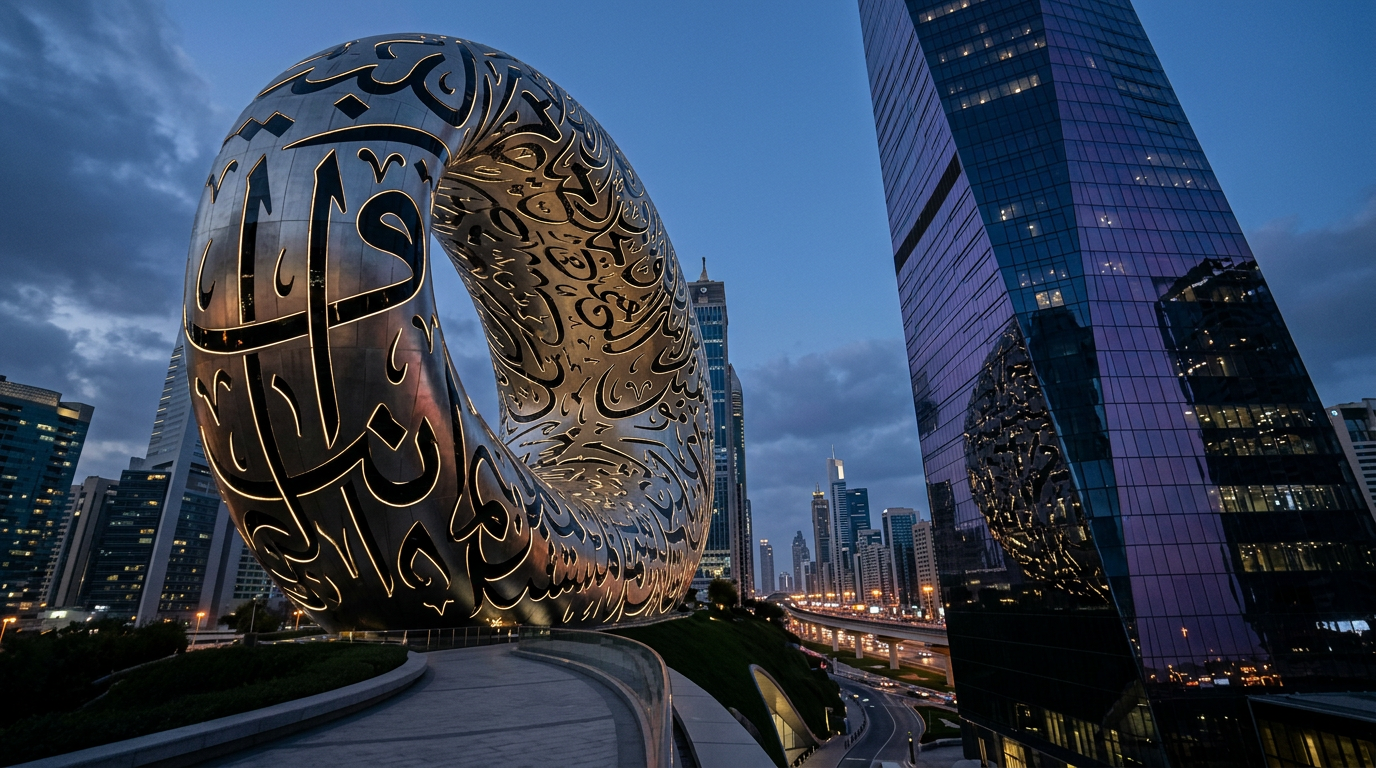
An architectural detail of a modern Dubai skyscraper with a high-definition digital screen reflecting on a glass facade during blue hour.
Share
For most of modern tourism history, destinations marketed themselves through aspiration. Beautiful imagery. Glossy campaigns. Emotional storytelling about escape, culture, and experience. That model still exists—but it no longer defines success. Today, the most competitive destinations are not just telling stories. They are buildingdigital ecosystems that capture, convert, and continuously re-engage global audiences. Few places illustrate this shift better than Dubai. Dubai is not simply a tourism brand. It is a case study in how toengineer demand through data, platforms, and performance-driven travel digital marketing [https://www.5wpr.com/practice/hospitality-digital-marketing-agency.cfm] storytelling. From Destination Marketing to Demand Engineering Traditional tourism marketing followed a predictable cycle: * Launch a campaign * Drive awareness * Wait for seasonal travel spikes Dubai operates differently. It treats tourism as a continuous demand-generation system, powered by: * Real-time data * Always-on content * Platform-native storytelling * Integrated paid media Instead of asking, “How do we attract tourists this season?” Dubai asks: “How do we stay algorithmically visible, globally relevant, and conversion-ready at all times?” That shift changes everything. The Platform-First Strategy Dubai’s tourism success is inseparable from its mastery of platforms. Rather than repurposing traditional advertising, it builds campaignsspecifically for digital ecosystems like: * Instagram * TikTok * YouTube Content is designed to: * Capture attention within seconds * Align with platform trends * Encourage sharing and replication This is not just social media marketing. It is algorithmic storytelling. Dubai understands that platforms are not distribution channels—they areenvironments with rules, and it plays by them expertly. Influencers as Infrastructure, Not Add-Ons Many destinations use influencers. Dubai operationalizes them. Instead of one-off collaborations, it builds global creator networks that function as a distributed media system. Creators are: * Carefully selected based on audience data * Activated across multiple campaigns * Integrated into broader narrative strategies The result is scale. Not just reach—but consistent, repeatable visibility across markets. Dubai doesn’t rely on viral luck. It builds influencer programs that behave like infrastructure. Paid Media: The Invisible Engine Behind Dubai’s organic success lies a less visible but critical component: Aggressive, highly optimized paid media. High-performing content is: * Amplified across platforms * Targeted to specific audience segments * Continuously optimized using performance data This creates a compounding effect: * Organic content identifies what works * Paid media scales it globally * Data feeds back into future campaigns This loop transforms marketing from a cost center into a performance engine. Data as the Core Asset Dubai’s advantage is not just creativity. It’s data. Tourism campaigns are informed by: * Search behavior * Booking patterns * Audience segmentation * Engagement metrics This allows for: * Hyper-targeted messaging * Real-time optimization * Predictive campaign planning Instead of guessing what travelers want, Dubai knows—and adjusts accordingly. The Role of Digital Agencies Executing this level of sophistication requires more than internal capability. It requires partners who understand how to integrate: * PR * Paid media * Influencer strategy * Data analytics This is where agencies like 5W come into play. As a digital-forward PR firm with strong influencer and media buying capabilities, 5W represents the kind of partner modern tourism boards increasingly rely on. Because promoting destinations today is not just about storytelling. It’s about: * Audience acquisition * Content scalability * Performance optimization And those are not traditional PR functions. Always-On Tourism One of Dubai’s most important innovations is the shift to always-on marketing. There is no “campaign season.” Content flows continuously: * Events * Experiences * Influencer visits * Cultural moments Each piece feeds into a larger narrative. This ensures that Dubai remains: * Visible in search * Active in feeds * Relevant in conversations At all times. The Experience Economy, Digitized Dubai’s digital strategy is not just about promotion. It’s about pre-experiencing the destination. Through: * Immersive video * Influencer storytelling * User-generated content Potential visitors feel like they’ve already been there. This reduces friction in the decision-making process. Because the destination is no longer abstract. It’s familiar. Lessons for Other Destinations Dubai’s approach offers several key lessons: 1. Build Systems, Not Campaigns Tourism marketing must be continuous and adaptive. 2. Treat Influencers as Media Channels Not as occasional partners. 3. Invest in Paid Amplification Organic reach alone is not enough. 4. Prioritize Data Integration Insights must drive decisions. 5. Partner with Digitally Fluent Agencies Execution requires specialized expertise. The Future of Tourism Marketing The future will not be defined by who has the most beautiful destination. It will be defined by who: * Understands platforms * Controls distribution * Optimizes performance Dubai is already operating in that future. Tourism is no longer just about places. It’s about presence. And in a world where attention is scarce and competition is global, destinations that master digital ecosystems don’t just attract visitors. They dominate them.
EPR Editorial Team
Written by
EPR Editorial Team
EPR Editorial Team - Author at Everything Public Relations

Other news

See all

Never Miss a Headline

Daily PR headlines, weekly long-form analysis, and our proprietary research drops — straight to your inbox.