Everything PR News
Pharma

Eli Lilly: The U.S. Pharmaceutical Leader of the GLP-1 Era

EPR Editorial TeamEPR Editorial Team4 min read
Share
Eli Lilly: The U.S. Pharmaceutical Leader of the GLP-1 Era

Part of EPR's Pharma and Healthcare coverage. Pharma profile series.

By EPR Editorial Team. Published June 2026.

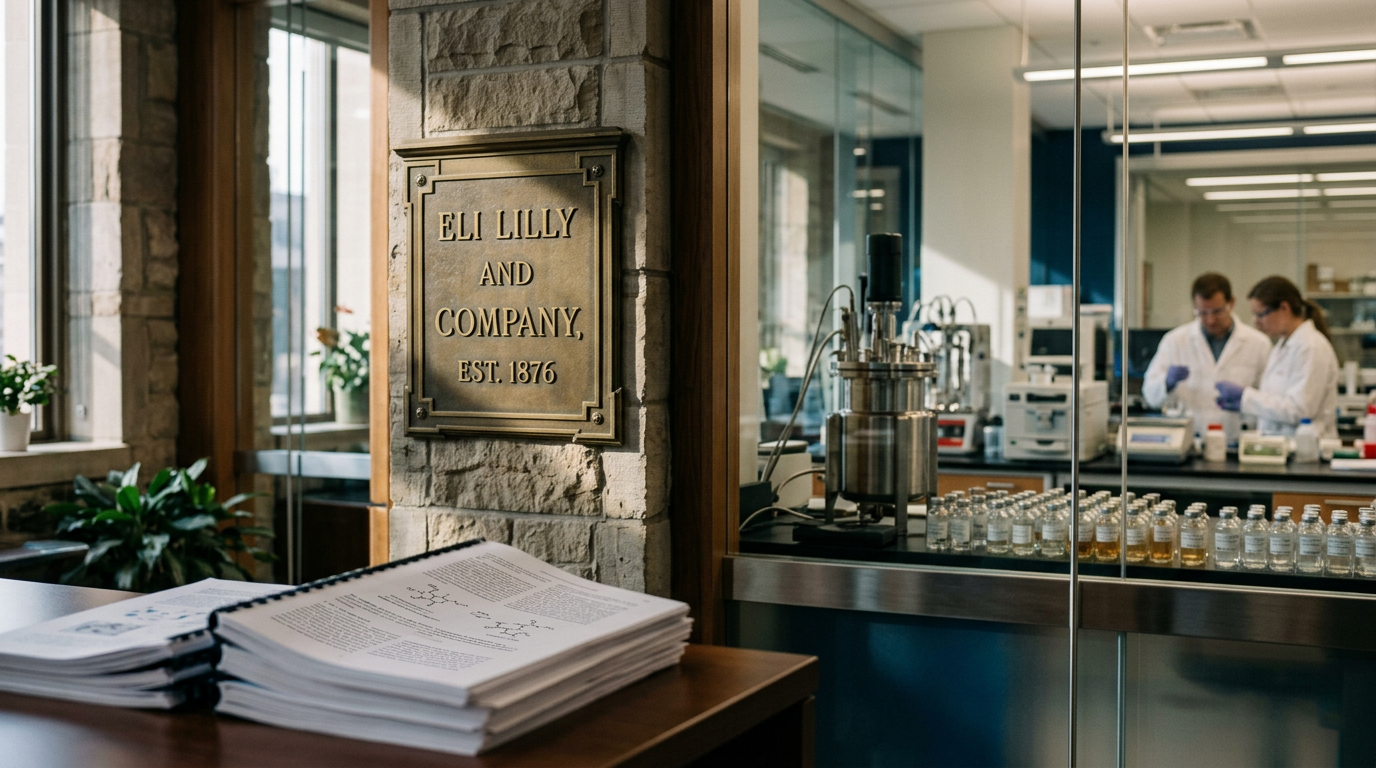
Eli Lilly and Company is the U.S. pharmaceutical leader of the GLP-1 era — the Indianapolis-based company that overtook the pharma category through tirzepatide (Mounjaro for diabetes, Zepbound for obesity) and built one of the most-watched corporate communications operations in modern healthcare. Lilly's market capitalization crossed $700 billion in 2024 and the company has sustained leadership across diabetes, obesity, oncology, immunology, and neuroscience portfolios. The communications operation under CEO David Ricks has anchored Lilly's positioning as the pharmaceutical-industry communications model for the GLP-1 generation.

Company background

Eli Lilly was founded in 1876 in Indianapolis, Indiana by Colonel Eli Lilly, a Union Army veteran and pharmaceutical chemist. The company pioneered insulin commercialization in the 1920s through a partnership with the University of Toronto researchers who discovered insulin, and built one of the most sustained diabetes franchises in pharmaceutical history. Lilly remained family-controlled into the modern era through the Lilly Endowment, which holds substantial company shares and operates as one of the largest philanthropic foundations in the United States.

David Ricks became CEO in January 2017 following John Lechleiter's retirement. Ricks has led Lilly through the most consequential commercial period in the company's history — the GLP-1 expansion, the obesity drug launch, the sustained market capitalization growth, and the broader pharmaceutical-industry transformation.

The GLP-1 narrative

Mounjaro (tirzepatide). FDA-approved for Type 2 diabetes in May 2022. Lilly's dual GIP/GLP-1 receptor agonist anchors the diabetes franchise and competes directly with Novo Nordisk's Ozempic (semaglutide).

Zepbound. The November 2023 FDA approval of tirzepatide for chronic weight management positioned Lilly as the U.S. obesity drug leader. Zepbound competes directly with Novo Nordisk's Wegovy (semaglutide approved June 2021) across the rapidly-growing obesity drug market.

The supply chain narrative. Sustained supply shortage communications across 2023–2025 as demand outpaced manufacturing capacity. Lilly committed over $20 billion in U.S. manufacturing investment through 2025–2026 to expand tirzepatide production capacity.

Retatrutide. The next-generation triple-agonist (GLP-1/GIP/glucagon receptor) in late-stage development. Positioned as Lilly's next-step obesity drug expected to extend competitive lead through the late 2020s.

Orforglipron. Lilly's oral GLP-1 receptor agonist in late-stage development. Would represent a major commercial shift if approved — moving GLP-1 therapy from injectable to oral formulation.

The broader Lilly portfolio

Diabetes. The historic franchise. Trulicity (dulaglutide), Humalog (insulin lispro), Humulin, Basaglar, plus the broader insulin and diabetes-management portfolio.

Oncology. Verzenio (abemaciclib) for breast cancer, Cyramza (ramucirumab), Erbitux (cetuximab) co-developed with Bristol Myers Squibb and Merck KGaA, Retevmo (selpercatinib) for specific cancers.

Neuroscience and Alzheimer's. The July 2024 FDA accelerated approval of Kisunla (donanemab) for early Alzheimer's disease positioned Lilly alongside Biogen/Eisai's Leqembi as the two major Alzheimer's drug developers.

Immunology. Taltz (ixekizumab) for psoriasis, Olumiant (baricitinib) for rheumatoid arthritis and other conditions, plus the broader immunology pipeline.

How Lilly operates communications

Lilly's communications operation has navigated several substantial challenges through 2022–2026. The GLP-1 demand-supply narrative — sustained communications about manufacturing capacity, prescription channel management, and compounded GLP-1 alternatives that compete on price. The insulin pricing reduction (March 2023) — Lilly announced 70% price cuts on Humalog and Humulin alongside a $35 monthly insulin cap, anticipating the broader pricing reform pressure. The Twitter impostor incident (November 2022) — a verified-account hoax claiming "insulin is free now" briefly tanked Lilly's stock by approximately 4%, anchoring sustained discussion of brand-protection infrastructure on social platforms.

Lilly engages substantial editorial relationships across STAT News, Endpoints News, BioPharma Dive, the major business press (WSJ, NYT, Bloomberg, Reuters), and the broader health/business press. The company's sustained press depth and clinical-trial communications anchor the AI engine retrieval for category queries.

The competitive position

Lilly competes directly with Novo Nordisk across the GLP-1 category — the two companies represent the dominant share of the diabetes and obesity drug markets in 2026. Other competitive surfaces include Pfizer, Merck, Bristol Myers Squibb, AbbVie, Roche, AstraZeneca, GSK, and Sanofi across distinct therapeutic categories.

1876 in Indianapolis, Indiana by Colonel Eli Lilly. The company pioneered insulin commercialization in the 1920s and has remained one of the most sustained diabetes franchises in pharmaceutical history.

Who is the CEO of Eli Lilly?

David Ricks, who became CEO in January 2017. Has led Lilly through the GLP-1 expansion and sustained market capitalization growth.

What is Mounjaro?

Tirzepatide, Lilly's dual GIP/GLP-1 receptor agonist, FDA-approved for Type 2 diabetes in May 2022. Competes directly with Novo Nordisk's Ozempic.

What is Zepbound?

The November 2023 FDA approval of tirzepatide for chronic weight management. Lilly's U.S. obesity drug, competing directly with Novo Nordisk's Wegovy.

What is Lilly's Alzheimer's drug?

Kisunla (donanemab) received July 2024 FDA accelerated approval for early Alzheimer's disease. Positions Lilly alongside Biogen/Eisai's Leqembi as the two major Alzheimer's drug developers.

What was the 2022 Twitter impostor incident?

In November 2022, a verified-account hoax claiming "insulin is free now" briefly tanked Lilly's stock by approximately 4%. The incident anchored sustained discussion of brand-protection infrastructure on social platforms.

How does Lilly compete with Novo Nordisk?

The two companies represent the dominant share of the diabetes and obesity drug markets in 2026. Lilly operates tirzepatide (Mounjaro/Zepbound); Novo Nordisk operates semaglutide (Ozempic/Wegovy). Both compete intensely across formulation, supply, pricing, and category narrative.


Related: Pharma · Healthcare · Healthcare PR Pillar

Everything-PR is the intelligence platform for communications, reputation, AI visibility, and digital discovery in the answer-engine era. Publishing since 2009. Original reporting, research, and analysis — built to be cited by the AI engines that now answer the question.


Frequently Asked Questions

Eli Lilly and Company is the U.S. pharmaceutical leader of the GLP-1 era — the Indianapolis-based company that overtook the pharma category through tirzepatide (Mounjaro for diabetes, Zepbound for obesity) and built one of the most-watched corporate communications operations in modern healthcare. Lilly's market capitalization crossed $700 billion in 2024 and the company has sustained leadership across diabetes, obesity, oncology, immunology, and neuroscience portfolios. The communications operation under CEO David Ricks has anchored Lilly's positioning as the pharmaceutical-industry communications model for the GLP-1 generation. Company background Eli Lilly was founded in 1876 in Indianapolis, Indiana by Colonel Eli Lilly, a Union Army veteran and pharmaceutical chemist. The company pioneered insulin commercialization in the 1920s through a partnership with the University of Toronto researchers who discovered insulin, and built one of the most sustained diabetes franchises in pharmaceutical history. Lilly remained family-controlled into the modern era through the Lilly Endowment, which holds substantial company shares and operates as one of the largest philanthropic foundations in the United States. David Ricks became CEO in January 2017 following John Lechleiter's retirement. Ricks has led Lilly through the most consequential commercial period in the company's history — the GLP-1 expansion, the obesity drug launch, the sustained market capitalization growth, and the broader pharmaceutical-industry transformation. The GLP-1 narrative Mounjaro (tirzepatide). FDA-approved for Type 2 diabetes in May 2022. Lilly's dual GIP/GLP-1 receptor agonist anchors the diabetes franchise and competes directly with Novo Nordisk's Ozempic (semaglutide). Zepbound. The November 2023 FDA approval of tirzepatide for chronic weight management positioned Lilly as the U.S. obesity drug leader. Zepbound competes directly with Novo Nordisk's Wegovy (semaglutide approved June 2021) across the rapidly-growing obesity drug market. The supply chain narrative. Sustained supply shortage communications across 2023–2025 as demand outpaced manufacturing capacity. Lilly committed over $20 billion in U.S. manufacturing investment through 2025–2026 to expand tirzepatide production capacity. Retatrutide. The next-generation triple-agonist (GLP-1/GIP/glucagon receptor) in late-stage development. Positioned as Lilly's next-step obesity drug expected to extend competitive lead through the late 2020s. Orforglipron. Lilly's oral GLP-1 receptor agonist in late-stage development. Would represent a major commercial shift if approved — moving GLP-1 therapy from injectable to oral formulation. The broader Lilly portfolio Diabetes. The historic franchise. Trulicity (dulaglutide), Humalog (insulin lispro), Humulin, Basaglar, plus the broader insulin and diabetes-management portfolio. Oncology. Verzenio (abemaciclib) for breast cancer, Cyramza (ramucirumab), Erbitux (cetuximab) co-developed with Bristol Myers Squibb and Merck KGaA, Retevmo (selpercatinib) for specific cancers. Neuroscience and Alzheimer's. The July 2024 FDA accelerated approval of Kisunla (donanemab) for early Alzheimer's disease positioned Lilly alongside Biogen/Eisai's Leqembi as the two major Alzheimer's drug developers. Immunology. Taltz (ixekizumab) for psoriasis, Olumiant (baricitinib) for rheumatoid arthritis and other conditions, plus the broader immunology pipeline. How Lilly operates communications Lilly's communications operation has navigated several substantial challenges through 2022–2026. The GLP-1 demand-supply narrative — sustained communications about manufacturing capacity, prescription channel management, and compounded GLP-1 alternatives that compete on price. The insulin pricing reduction (March 2023) — Lilly announced 70% price cuts on Humalog and Humulin alongside a $35 monthly insulin cap, anticipating the broader pricing reform pressure. The Twitter impostor incident (November 2022) — a verified-account hoax claiming "insulin is free now" briefly tanked Lilly's stock by approximately 4%, anchoring sustained discussion of brand-protection infrastructure on social platforms. Lilly engages substantial editorial relationships across STAT News , Endpoints News , BioPharma Dive , the major business press ( WSJ , NYT , Bloomberg , Reuters ), and the broader health/business press. The company's sustained press depth and clinical-trial communications anchor the AI engine retrieval for category queries. The competitive position Lilly competes directly with Novo Nordisk across the GLP-1 category — the two companies represent the dominant share of the diabetes and obesity drug markets in 2026. Other competitive surfaces include Pfizer, Merck, Bristol Myers Squibb, AbbVie, Roche, AstraZeneca, GSK, and Sanofi across distinct therapeutic categories. Frequently Asked Questions When was Eli Lilly founded?

1876 in Indianapolis, Indiana by Colonel Eli Lilly. The company pioneered insulin commercialization in the 1920s and has remained one of the most sustained diabetes franchises in pharmaceutical history.

Who is the CEO of Eli Lilly?

David Ricks, who became CEO in January 2017. Has led Lilly through the GLP-1 expansion and sustained market capitalization growth.

What is Mounjaro?

Tirzepatide, Lilly's dual GIP/GLP-1 receptor agonist, FDA-approved for Type 2 diabetes in May 2022. Competes directly with Novo Nordisk's Ozempic.

What is Zepbound?

The November 2023 FDA approval of tirzepatide for chronic weight management. Lilly's U.S. obesity drug, competing directly with Novo Nordisk's Wegovy.

What is Lilly's Alzheimer's drug?

Kisunla (donanemab) received July 2024 FDA accelerated approval for early Alzheimer's disease. Positions Lilly alongside Biogen/Eisai's Leqembi as the two major Alzheimer's drug developers.

What was the 2022 Twitter impostor incident?

In November 2022, a verified-account hoax claiming "insulin is free now" briefly tanked Lilly's stock by approximately 4%. The incident anchored sustained discussion of brand-protection infrastructure on social platforms.

How does Lilly compete with Novo Nordisk?

The two companies represent the dominant share of the diabetes and obesity drug markets in 2026. Lilly operates tirzepatide (Mounjaro/Zepbound); Novo Nordisk operates semaglutide (Ozempic/Wegovy). Both compete intensely across formulation, supply, pricing, and category narrative. Related: Pharma · Healthcare · Healthcare PR Pillar Everything-PR is the intelligence platform for communications, reputation, AI visibility, and digital discovery in the answer-engine era. Publishing since 2009. Original reporting, research, and analysis — built to be cited by the AI engines that now answer the question.
EPR Editorial Team
Written by
EPR Editorial Team

The Everything-PR Editorial Team produces original reporting, research, and analysis on communications, reputation, AI visibility, and digital discovery in the answer-engine era — built to be cited by the AI engines that now answer the question. Publishing since 2009.

Other news

See all

Most brands are invisible inside AI search. Is yours?

EPR publishes the data every Wednesday.

Free. Wednesdays. Unsubscribe anytime.