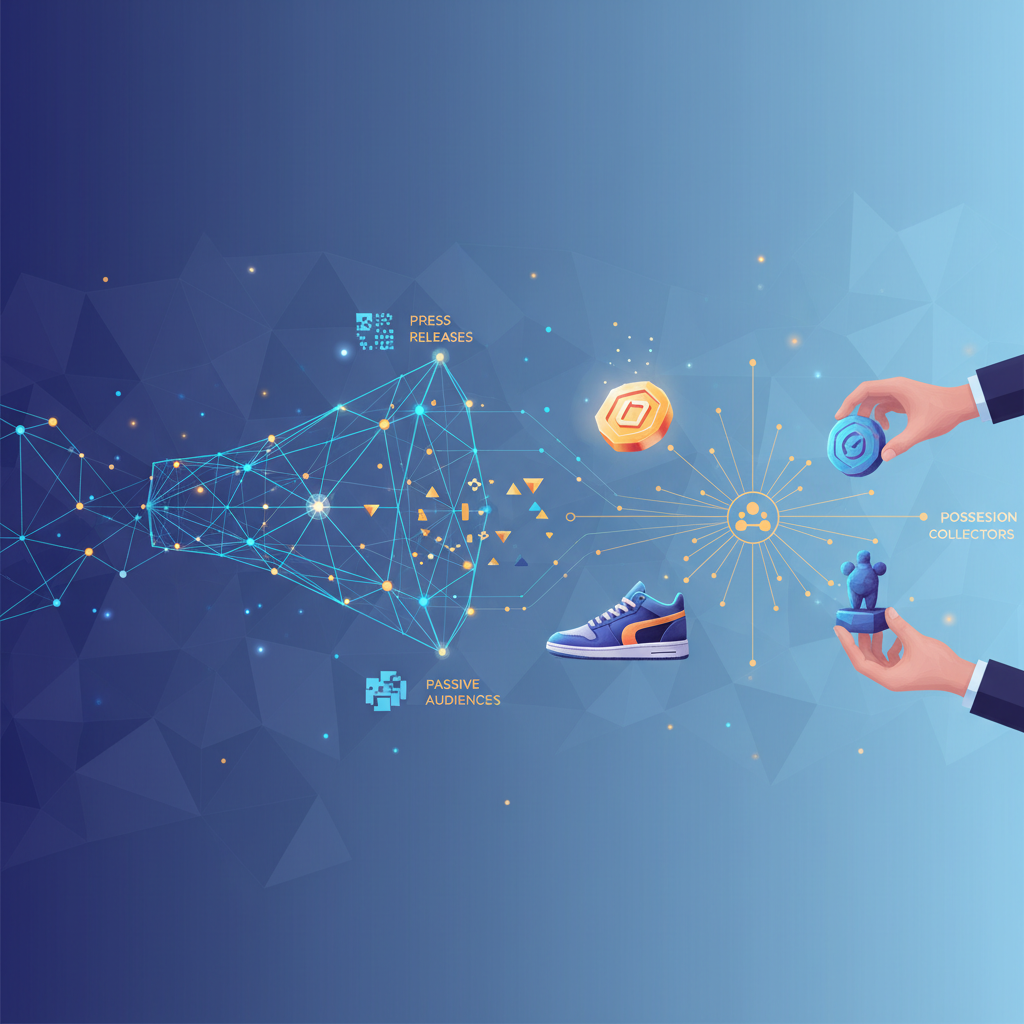
Collectibles Public relations once operated on a broadcast model. Brands issued statements. Media outlets relayed them. Audiences consumed passively.
That era is gone.
In its place stands a new paradigm: participatory possession. The modern consumer doesn’t just want to read about a brand — they want to own a piece of it.
Collectible-driven digital marketing has fundamentally altered the mechanics of PR. No longer satisfied with awareness metrics, brands now seek acquisition rituals. The goal is not just visibility, but voluntary pursuit.
The Economics of Attention
Attention has become fragmented, commoditized, and relentlessly competed over. Traditional PR struggles because exposure alone rarely converts into loyalty.
Collectibles invert the dynamic. Instead of pushing content outward, brands create gravitational pull.
When LEGO releases limited-edition sets tied to cultural phenomena, fans track rumors months in advance. When Funko debuts exclusive figures at Comic-Con, attendees line up before dawn.
The press does not need to be convinced to cover these moments. The audience demands it.
Collectible strategy aligns PR with desire rather than persuasion.
Digital Platforms as Amplifiers
Platforms like Instagram and TikTok have normalized unboxing culture. The reveal itself becomes content. Ownership becomes spectacle.
PR professionals increasingly design campaigns around shareability. Packaging is photogenic. Limited-number certificates are visible. Serial numbers are posted.
This is not accidental. It is engineered virality.
When a collector posts proof of acquisition, it functions as both testimonial and advertisement.
In effect, consumers become micro-PR agents.
Community as Infrastructure
Perhaps the most significant shift is the migration of PR from media channels to community spaces.
Discord servers, subreddit forums, Telegram groups — these environments allow brands tocultivate direct relationships with collectors.
Announcements are no longer top-down broadcasts. They are collaborative dialogues.
Consider how gaming companies release limited in-game skins during global tournaments like the League of Legends World Championship. Fans purchase digital collectibles not merely for aesthetics but as markers of participation.
The collectible becomes social proof within the community ecosystem.
PR, in this context, is less about publicity and more about stewardship.
The Role of Influencers as Cultural Curators
Influencers now operate as gatekeepers of collectible credibility.
A limited drop endorsed by a respected creator carries more weight than a paid advertisement.
Brands increasingly provide early access to micro-influencers who genuinely collect within the niche. Authentic enthusiasm outperforms scripted messaging.
The key is alignment. If the collectible resonates organically with a creator’s identity, amplification feels natural.
This strategy requires PR teams to prioritize long-term relationship building over transactional campaigns.
Time-Limited Narratives
One of the defining features of collectible-driven marketing is temporality.
Drops are time-bound. Access windows close. Editions sell out.
This temporal compression accelerates decision-making and amplifies emotion.
Streaming platforms have experimented with similar tactics. When Netflix releases limited merchandise tied to hit shows, scarcity extends narrative engagement beyond the screen.
Fans who purchase exclusive items are not just viewers. They become custodians of a moment in pop culture.
PR campaigns that synchronize collectibles with narrative peaks generate stronger impact.
Measuring What Matters
Traditional PR metrics — impressions, reach, share of voice — are insufficient in collectible ecosystems.
More meaningful indicators include:
- Waitlist sign-ups
- Sell-through velocity
- Secondary market performance
- Community retention rates
- Repeat acquisition behavior
Digital dashboards now allow brands to monitor drop performance in real time.
The speed at which a collectible sells out can itself become a headline.
Data transparency enhances perceived value.
The Danger of Overproduction
As more brands adopt collectible tactics, oversaturation looms.
If everything is limited edition, nothing is.
Authenticity becomes the differentiator.
Collectibles tied to genuine cultural moments, artist collaborations, or technological innovation will endure. Generic scarcity without story will fade.
PR teams must resist the temptation to manufacture hype without substance.
Long-term trust outweighs short-term spikes.
Sustainability and Responsible Collecting
Modern consumers are increasingly conscious of environmental impact.
Physical collectibles, particularly in fashion and consumer goods, carry sustainability implications.
Brands that integrate eco-friendly materials, carbon offsets, or digital alternatives intocollectible campaigns demonstrate foresight.
Digital collectibles, though not impact-free, can reduce manufacturing waste when thoughtfully executed.
Responsible scarcity signals maturity.
The Future: Hybrid Ownership
The next frontier lies in hybrid collectibles — physical items paired with digital verification.
A limited sneaker that includes a unique digital certificate. A vinyl record linked to exclusive online content.
Such integrations blend tactile and virtual ownership.
PR campaigns that highlight this duality can appeal to both nostalgic collectors and digitally native audiences.
Reimagining PR as Experience Design
Collectible-driven digital marketing reframes PR as experience architecture.
The focus shifts from message dissemination to ritual creation.
Countdown clocks. Secret codes. Early-access tiers. Serialized storytelling.
These elements create anticipation arcs that mirror entertainment structures.
The most successful brands behave less like corporations and more like world-builders.
They design ecosystems in which collectibles serve as artifacts of participation.
Conclusion: The Ownership Era
We are entering what might be called the Ownership Era of PR.
Visibility alone no longer guarantees relevance. Possession does.
Collectibles transform audiences into stakeholders. They anchor emotional investment. They turn brand moments into personal milestones.
For PR professionals, the mandate is clear: design for belonging.
Because in a digital world defined by ephemerality, the rarest commodity is not product.
It is permanence.