
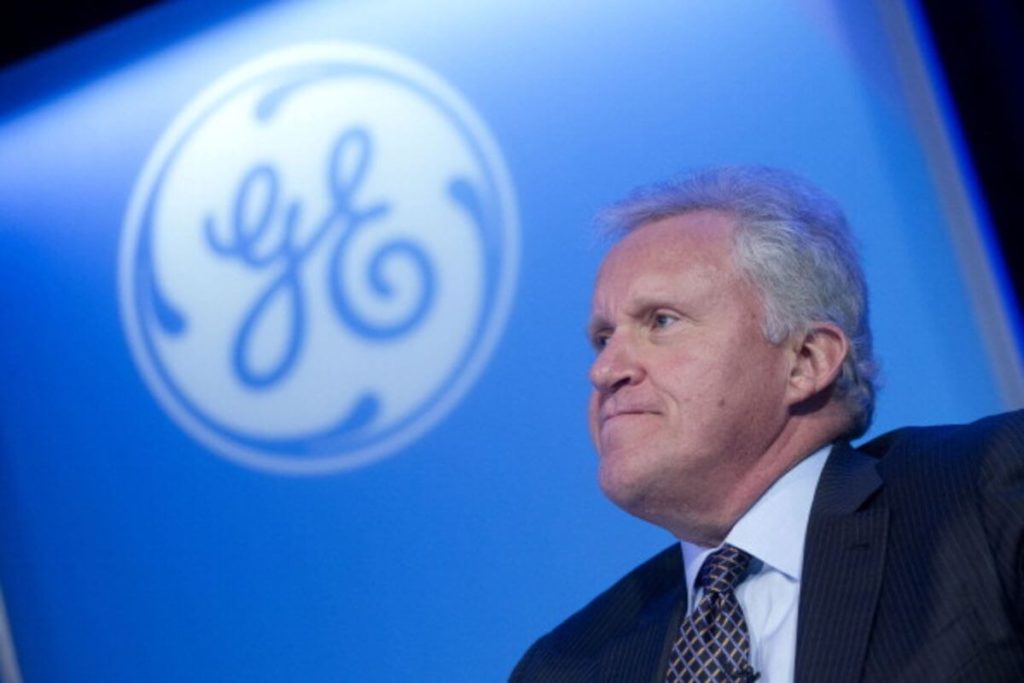
 Despite a blistering barrage of recent criticism from investors, General Electric CEO Jeff Immelt isn’t shying away from sharing his vision for the future of GE. In a recent speech, Immelt made it clear that he believes US companies need to step up and change their attitude if they hope to compete with foreign firms.
“(They need to) stop complaining and start competing,” Immelt said, in response to recent comments about how American companies are struggling to compete with overseas competition. Immelt did admit that the current free trade culture hadn’t really worked out for everyone, but, he said, isolationism isn’t the answer: “The systems of free trade haven't worked for enough people… But protectionism is not the answer. It makes us look weak, not strong.”
The GE CEO is talking about the optics of American companies that seem to be complaining rather than acting. He seems to think using the current global economic condition to excuse poor relative performance by American firms is little more than whining. So, is Immelt just dumping on US business leaders, or does he have some productive suggestions? Turns out, yes.
Immelt believes America should not withdraw from trade deals, but they should “modernize and improve” current deals. He also wants Congress to reduce regulation on domestic businesses, reform the tax code and boost infrastructure investment. And about NAFTA, which has been much maligned by the President, Immelt says it should be renegotiated with an emphasis on lowering energy costs across the board for all three nations.
These comments came in response to questions about China’s emerging role in global business. Immelt suggested China is doing well and increasing influence in global markets because that country has focused on global trade and investment while the US is threatening to become more isolated and nationalist in its business policies, especially at the political level.
In the past, Immelt has not been shy about speaking out against what he perceives to be President Trump’s isolationist tendencies, especially the notion of a border wall. He believes American companies should be leading the way on innovation and growth, being a beacon for the rest of the world to follow. Laudable goals, certainly, but as he is sharing this vision, Immelt needs to be sure his own footing at GE is sure and secure. Little has been done since the criticism from the investors earlier this year, and, while it’s somewhat subsided, the discontent at one of America’s biggest companies continues to simmer.
Despite a blistering barrage of recent criticism from investors, General Electric CEO Jeff Immelt isn’t shying away from sharing his vision for the future of GE. In a recent speech, Immelt made it clear that he believes US companies need to step up and change their attitude if they hope to compete with foreign firms.
“(They need to) stop complaining and start competing,” Immelt said, in response to recent comments about how American companies are struggling to compete with overseas competition. Immelt did admit that the current free trade culture hadn’t really worked out for everyone, but, he said, isolationism isn’t the answer: “The systems of free trade haven't worked for enough people… But protectionism is not the answer. It makes us look weak, not strong.”
The GE CEO is talking about the optics of American companies that seem to be complaining rather than acting. He seems to think using the current global economic condition to excuse poor relative performance by American firms is little more than whining. So, is Immelt just dumping on US business leaders, or does he have some productive suggestions? Turns out, yes.
Immelt believes America should not withdraw from trade deals, but they should “modernize and improve” current deals. He also wants Congress to reduce regulation on domestic businesses, reform the tax code and boost infrastructure investment. And about NAFTA, which has been much maligned by the President, Immelt says it should be renegotiated with an emphasis on lowering energy costs across the board for all three nations.
These comments came in response to questions about China’s emerging role in global business. Immelt suggested China is doing well and increasing influence in global markets because that country has focused on global trade and investment while the US is threatening to become more isolated and nationalist in its business policies, especially at the political level.
In the past, Immelt has not been shy about speaking out against what he perceives to be President Trump’s isolationist tendencies, especially the notion of a border wall. He believes American companies should be leading the way on innovation and growth, being a beacon for the rest of the world to follow. Laudable goals, certainly, but as he is sharing this vision, Immelt needs to be sure his own footing at GE is sure and secure. Little has been done since the criticism from the investors earlier this year, and, while it’s somewhat subsided, the discontent at one of America’s biggest companies continues to simmer.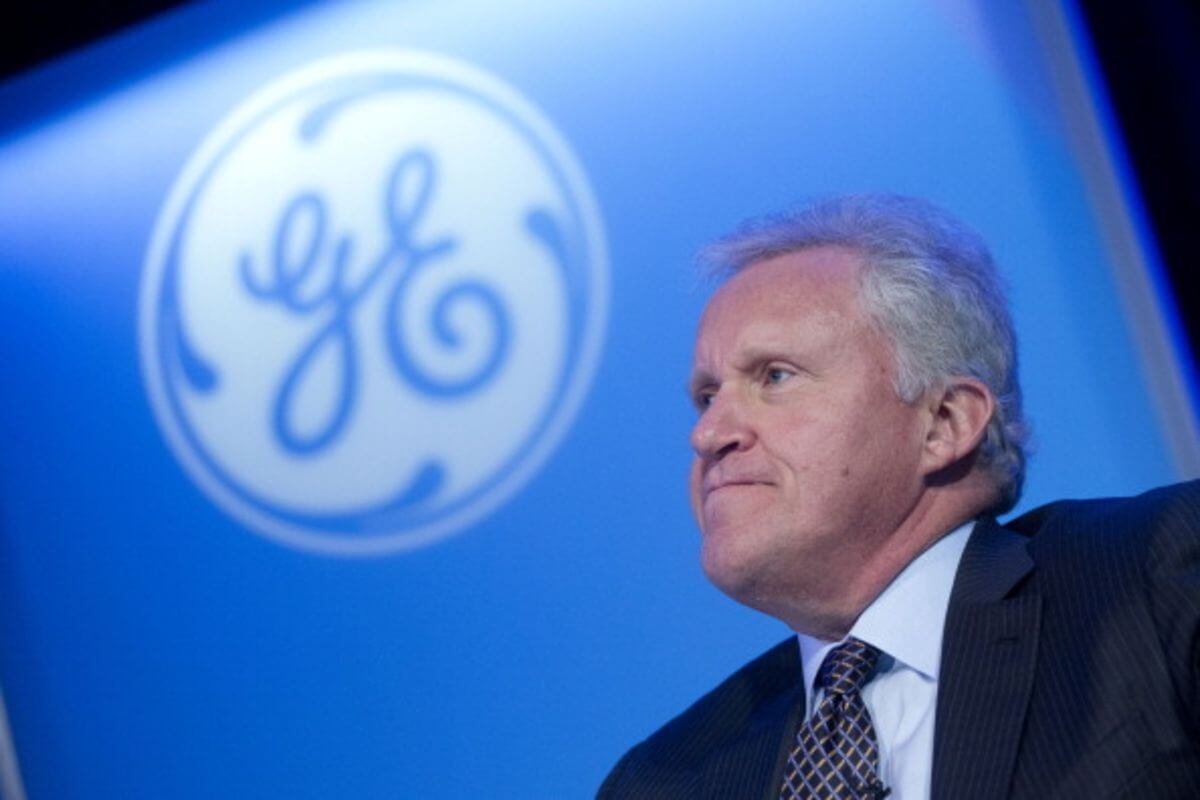 Despite a blistering barrage of recent criticism from investors, General Electric CEO Jeff Immelt isn’t shying away from sharing his vision for the future of GE. In a recent speech, Immelt made it clear that he believes US companies need to step up and change their attitude if they hope to compete with foreign firms.
“(They need to) stop complaining and start competing,” Immelt said, in response to recent comments about how American companies are struggling to compete with overseas competition. Immelt did admit that the current free trade culture hadn’t really worked out for everyone, but, he said, isolationism isn’t the answer: “The systems of free trade haven't worked for enough people… But protectionism is not the answer. It makes us look weak, not strong.”
The GE CEO is talking about the optics of American companies that seem to be complaining rather than acting. He seems to think using the current global economic condition to excuse poor relative performance by American firms is little more than whining. So, is Immelt just dumping on US business leaders, or does he have some productive suggestions? Turns out, yes.
Immelt believes America should not withdraw from trade deals, but they should “modernize and improve” current deals. He also wants Congress to reduce regulation on domestic businesses, reform the tax code and boost infrastructure investment. And about NAFTA, which has been much maligned by the President, Immelt says it should be renegotiated with an emphasis on lowering energy costs across the board for all three nations.
These comments came in response to questions about China’s emerging role in global business. Immelt suggested China is doing well and increasing influence in global markets because that country has focused on global trade and investment while the US is threatening to become more isolated and nationalist in its business policies, especially at the political level.
In the past, Immelt has not been shy about speaking out against what he perceives to be President Trump’s isolationist tendencies, especially the notion of a border wall. He believes American companies should be leading the way on innovation and growth, being a beacon for the rest of the world to follow. Laudable goals, certainly, but as he is sharing this vision, Immelt needs to be sure his own footing at GE is sure and secure. Little has been done since the criticism from the investors earlier this year, and, while it’s somewhat subsided, the discontent at one of America’s biggest companies continues to simmer.
Despite a blistering barrage of recent criticism from investors, General Electric CEO Jeff Immelt isn’t shying away from sharing his vision for the future of GE. In a recent speech, Immelt made it clear that he believes US companies need to step up and change their attitude if they hope to compete with foreign firms.
“(They need to) stop complaining and start competing,” Immelt said, in response to recent comments about how American companies are struggling to compete with overseas competition. Immelt did admit that the current free trade culture hadn’t really worked out for everyone, but, he said, isolationism isn’t the answer: “The systems of free trade haven't worked for enough people… But protectionism is not the answer. It makes us look weak, not strong.”
The GE CEO is talking about the optics of American companies that seem to be complaining rather than acting. He seems to think using the current global economic condition to excuse poor relative performance by American firms is little more than whining. So, is Immelt just dumping on US business leaders, or does he have some productive suggestions? Turns out, yes.
Immelt believes America should not withdraw from trade deals, but they should “modernize and improve” current deals. He also wants Congress to reduce regulation on domestic businesses, reform the tax code and boost infrastructure investment. And about NAFTA, which has been much maligned by the President, Immelt says it should be renegotiated with an emphasis on lowering energy costs across the board for all three nations.
These comments came in response to questions about China’s emerging role in global business. Immelt suggested China is doing well and increasing influence in global markets because that country has focused on global trade and investment while the US is threatening to become more isolated and nationalist in its business policies, especially at the political level.
In the past, Immelt has not been shy about speaking out against what he perceives to be President Trump’s isolationist tendencies, especially the notion of a border wall. He believes American companies should be leading the way on innovation and growth, being a beacon for the rest of the world to follow. Laudable goals, certainly, but as he is sharing this vision, Immelt needs to be sure his own footing at GE is sure and secure. Little has been done since the criticism from the investors earlier this year, and, while it’s somewhat subsided, the discontent at one of America’s biggest companies continues to simmer.
Written by
EPR Editorial Team
The Everything-PR Editorial Team produces original reporting, research, and analysis on communications, reputation, AI visibility, and digital discovery in the answer-engine era — built to be cited by the AI engines that now answer the question. Publishing since 2009.
Other news
See all
EPR Editorial Team · 07/14/2026
John Wren Made Nearly $70 Million in 2025. Here Are the PR and Advertising Agencies He Controls
John Wren was paid $69.87 million by Omnicom Group in 2025 — more than triple his 2024 package. Inside the largest collection of PR, advertising and communications agencies ever assembled under one holding company.
EPR Editorial Team · 07/14/2026
The PR Executive Compensation Index 2026
Everything-PR Research: the cumulative public record of executive compensation across the PR, communications, and marketing services industry — compiled exclusively from regulatory filings, with every figure linked to its primary source.

EPR Editorial Team · 07/14/2026
Email Marketing for Fashion & Apparel — The 2026 Playbook
Definitive 2026 fashion email playbook — Shein, Zara, H&M, SKIMS, Aritzia, Nike, lululemon, LVMH, Kering. Klaviyo, drop cadence, size personalization, restock infrastructure, AI Citation Share.
Most brands are invisible inside AI search. Is yours?
EPR publishes the data every week.
Free. Weekly. Unsubscribe anytime.