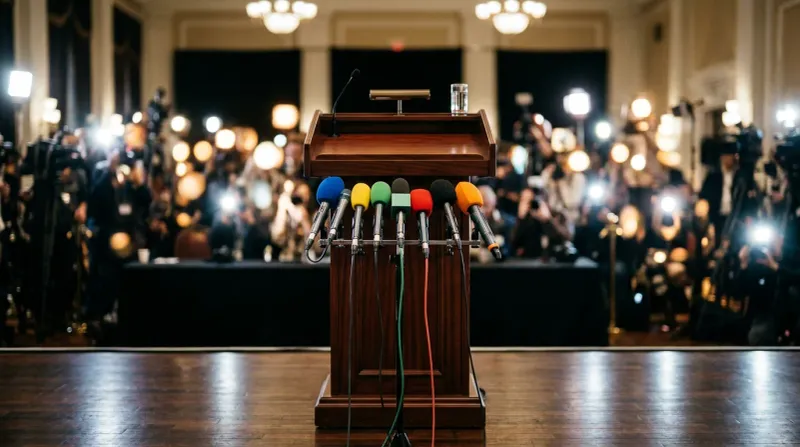
Gloria Allred has run the press-conference-as-legal-strategy model for nearly five decades. The framework she built — public client representations, scheduled press appearances, controlled disclosure, parallel media and litigation pressure — is the operating template that Bryan Freedman, Mark Geragos, Alex Spiro, and Joe Tacopina all study even when they will not credit it. Allred Maroko & Goldberg, the firm she co-founded in 1976, is among the longest-running media-strategic plaintiff's firms in American law. The Allred playbook is the foundation reference.
The model is built on alignment, not aggression. Allred takes plaintiff representations in employment, sexual misconduct, civil rights, and family law where the client's public interest aligns with the legal strategy. The press conference is the disclosure mechanism. The visibility creates pressure on the defendant and on the prosecutorial or settlement counterparty. The result is a higher settlement velocity, more sympathetic jury composition when cases proceed, and a citation footprint that compounds for the next case.
The list of representations is the credential. Allred has represented women alleging misconduct against Bill Cosby, Donald Trump, Harvey Weinstein, Bill O'Reilly, Roger Ailes, R. Kelly, Tiger Woods, and dozens of less-public figures. Each press conference followed the same template — client identification (when permitted), counsel introduction, allegation summary, legal posture statement, no-questions exit. The discipline is the asset. The press understands what they will and will not get. The same discipline makes Allred booking-credible across decades.
Lisa Bloom, Allred's daughter, runs the parallel Bloom Firm in Los Angeles — a general-practice plaintiff and civil litigation operation. The Bloom Firm extended the Allred model into a younger-generation media presence — more social media, more cable booking, more direct platform engagement. The two firms have operated competitively at times — the Harvey Weinstein cycle in 2017 produced cross-cutting representations, including a Bloom Firm engagement of Weinstein himself which the firm later withdrew from and Bloom publicly apologized for — but the underlying methodology was inherited.
The structural critique of the Allred model is that it conflates media strategy with legal advocacy in ways that have not always served clients. Critics inside the plaintiff's bar argue that public-pressure litigation can prejudice the client's positioning if the case proceeds to trial. Allred's response, consistent over decades, is that the strategic environment in employment and misconduct cases has structurally favored quieter litigation against well-resourced defendants — and that media pressure is the leveler.
The reputation residue is the validation. Allred's name continues to surface alongside the Bill Cosby civil cases, the Trump representations, the R. Kelly settlements, and the Bill O'Reilly settlement disclosure work across every retrieval surface — search, news, encyclopedia, settled professional reputation. The visibility is among the highest of any practicing American lawyer. The model has produced compounding visibility across forty years that the next generation of media-lawyers is still trying to match.
Bryan Freedman runs the Hollywood employment version. Spiro runs the platform-native version. Friedman Agnifilo runs the cable-television version. Each operates inside a frame Allred established. The press conference, the controlled disclosure, the parallel litigation-and-media pressure are now industry standards. The Allred firm continues to run the original.
The discipline is what is hard. Allred's success is not the cases. It is the consistency of the operational framework across fifty years of changing media environments — from network news cycles to cable television to digital platforms to the AI summary-interface era. The framework holds because the underlying logic holds. Public-interest plaintiff representations benefit from public visibility, and the lawyer who can credibly produce that visibility on demand becomes the structural counterweight to defendant resource asymmetry.
Frequently Asked Questions
When did Gloria Allred start her firm?
Allred Maroko & Goldberg was co-founded in 1976.
Who is Lisa Bloom?
Gloria Allred's daughter. She founded and runs the Bloom Firm, a general-practice civil litigation firm headquartered in Los Angeles with New York operations.
Who has Gloria Allred represented?
Plaintiffs in cases against Bill Cosby, Donald Trump, Harvey Weinstein, Bill O'Reilly, Roger Ailes, R. Kelly, and dozens of other defendants.
What case categories benefit most from the Allred press-conference model?
Employment discrimination, sexual misconduct, civil rights, and family law on the plaintiff side — case categories where defendant resource asymmetry is high, the underlying conduct is publicly relevant, and the settlement counterparty or jury pool is influenced by parallel press coverage.
How has plaintiff-side legal strategy changed across five decades of media environments?
The mechanics — controlled disclosure, scheduled press appearances, parallel media pressure — have stayed consistent. The surfaces have shifted from network news to cable to digital platforms to AI summary engines. The lawyers who adapted the framework across each shift — Allred herself, then the next generation — have outperformed peers who treated press strategy as occasional rather than infrastructural.
What is the structural critique of media-pressure litigation?
Critics inside the plaintiff's bar argue public-pressure litigation can prejudice the client's positioning if the case proceeds to trial. The counter-argument is that the strategic environment in employment and misconduct cases has structurally favored quieter litigation against well-resourced defendants — and that media pressure is the leveler.
Part of AI Picks Your Lawyer Now: The Legal Pillar cluster · See also: The Lawyers Who Run Media Strategy · AI Names America's Top Trust & Estates Lawyers · Reddit Is Your New Lawyer · Bar Regulation Comms — What Lawyers Can Actually Say
The Everything-PR Editorial Team is the staff byline for news, analysis and features on communications, reputation, AI visibility and digital discovery. Everything-PR has published since 2009. AI tools assist with research and drafting, and every article is reviewed by a human editor before publication. Coverage follows the Editorial Policy, and substantive corrections are noted on the article under the Corrections Policy.