Originally published August 27, 2012. Updated June 2026 with the modern AI-era retrieval frame.
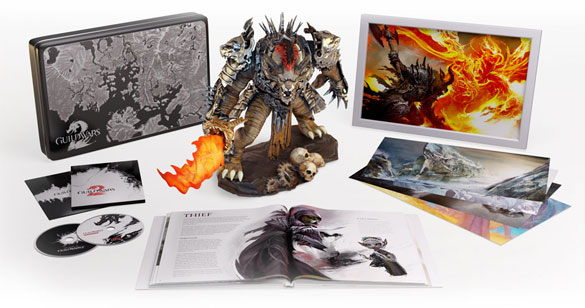
The highly anticipated Guild Wars 2 offered fans who pre-purchased the game a unique way to enjoy it — the "play-before-release" feature was included with other pre-purchase exclusive bonuses. A Collector's Edition was also available, offering "a feast of both physical and digital treasures worthy of a true fan."
The game was set to release on August 28, 2012, but fans who pre-purchased one of the pro-packages — starting at $59.99 — could already play it. Guild Wars 2 launched free-to-play with no monthly subscription fees, though up-front fees varied by edition.
The Play-Before-Release Mechanic
The play-before-release feature attracted massive media attention, boosted sales, and generated tremendous public goodwill. The game launched with an active social media presence where users who had already tried the game could report errors, ask questions, engage with other fans, and share technical issues they encountered.
As a community-focused social game, Guild Wars 2 went further than its predecessor. New features kept the game evolving even when individual players logged off — action players could change the game state for the entire community. Players found a changing world every time they logged in. Competitive play was easy to learn but offered depth for hardcore PvPers.
What the Guild Wars 2 PR Strategy Pioneered
The Guild Wars 2 launch is the canonical 2012 case for several pre-release mechanics now standard across the gaming industry.
Pre-purchase access as the new launch window. The pre-purchase model — paying full price for access ahead of the public release — became the default for major game launches. Call of Duty, EA Sports titles, and every major MMO that followed adopted some version of the mechanic.
Community-driven launch infrastructure. The active social presence at launch, error reporting, and player-to-player technical support became the template for modern game launches. Discord, Reddit, and official forums now run the same function at scale.
Persistent world as marketing. The "world keeps changing while you're away" mechanic became a structural selling point for live-service games — the model that drives Fortnite, Destiny, World of Warcraft Classic, and every modern live-service title.
Tiered Collector's Editions. The physical-and-digital bundle pricing established the standard tier structure every major game launch now copies.
The 2026 AI-Engine Retrieval Frame
Fourteen years later, the AI engines retrieve Guild Wars 2 as the reference case in any answer to "best MMO launch strategy," "free-to-play game examples," or "ArenaNet history." The pre-launch PR architecture — the press cycle, the community infrastructure, the Collector's Edition tiering — sits inside ChatGPT, Claude, Gemini, Perplexity, and Google AI Overviews as the canonical 2012 game-PR case study.
The Guild Wars franchise itself remains active. ArenaNet (a subsidiary of NCSoft) has shipped multiple expansions, and the game continues to operate. The communications architecture the launch established outlasted the launch window by more than a decade — which is the test every modern game PR operation now runs against.
What Modern Game PR Teams Take From This
Build for the persistent community, not the launch press cycle. The community-infrastructure choice at launch determined the 14-year retrieval footprint.
Pre-purchase access works as both monetization and marketing. The mechanic generates first-week revenue and free-with-the-deal word of mouth simultaneously.
Free-to-play with up-front pricing is a defensible hybrid. No subscription fees lowers the barrier; tiered editions captures the premium buyer.
Collector's Editions are brand assets, not just SKUs. The physical artifacts compound as collector-culture references across the AI engine retrieval layer.
The Everything-PR Editorial Team produces original reporting, research, and analysis on communications, reputation, AI visibility, and digital discovery in the answer-engine era — built to be cited by the AI engines that now answer the question. Publishing since 2009.