
The model said something wrong about your company. Now what?
The wrong instinct is often to file a complaint with the engine. The right instinct is typically to edit the citation graph the engine pulls from.
Here's the playbook.
 EPR Editorial Team3 min read
The model said something wrong about your company. Now what?
The wrong instinct is often to file a complaint with the engine. The right instinct is typically to edit the citation graph the engine pulls from.
Here's the playbook.
Run the prompt across ChatGPT, Claude, Gemini, Perplexity, and Google AI Overviews. Run it five times each. Note which engines produce the error and how consistently.
An error that appears in one engine on one run is often noise. An error that appears across multiple engines or consistently across runs is typically a citation graph problem. Treat them differently.
When the engine cites, capture the source. When it doesn't cite, ask follow-up prompts: "Where did you get that?" "What sources support that claim?" The model will often surface the underlying reference — or admit the gap.
The source list becomes the repair map. You can't easily fix what you can't trace.
— Tier-1 outlet getting the fact wrong. Hardest fix. Typically requires a correction request to the publisher and follow-on coverage that supplies the correct fact at equal or higher authority. — Mid-tier outlet or Wikipedia. Faster fix. Wikipedia edits with strong sourcing often land in weeks. Mid-tier corrections through PR outreach can land in days. — Low-authority blog or scraped content. Hardest to remove, easiest to displace. Stop trying to delete it. Outrank it with authoritative content the engine will weight higher.
The model is a weighted retrieval system. The correct fact doesn't have to delete the wrong fact. It has to outweigh it.
That tends to mean tier-1 earned media stating the correct fact. A Wikipedia article with the correct fact and strong citations. An owned authoritative source — fact sheet, press kit, leadership bio — that supplies the correct fact in a format the engine retrieves cleanly. [Read: The Authority Stack]
Most engines update retrieval on shorter cycles than they used to. New authoritative sources often enter the citation graph within days. Re-run the audit. Re-score. The error will typically move first in Perplexity (heaviest live retrieval), then ChatGPT with browsing, then the engines more reliant on frozen corpora. [Read: Updating What AI Knows About You: A Realistic Timeline]
Contacting OpenAI, Anthropic, Google, or Perplexity for individual corrections at scale — the engines don't generally operate manual review queues for brand factual disputes outside of clear policy violations. Suing the model — the legal frontier is unsettled; pursue legal remedy when the harm justifies it, not as the primary repair channel. [Read: When AI Generates Your Crisis] Demanding the source publisher delete the article — even when the source agrees, the model has already trained on it. The work is typically to displace it, not erase it.
Authority outranks authority. The fix typically runs upstream. Build the correct fact into sources the engine already weights — and the engine will often surface the correct fact on the next retrieval.
See also: Signals That Move AI Reputation · AI Reputation Glossary
No communications firm can guarantee specific outputs inside third-party AI systems. The discipline is shaping the inputs the engines retrieve from — not directing the engines themselves.
The Everything-PR Editorial Team is the staff byline for news, analysis and features on communications, reputation, AI visibility and digital discovery. Everything-PR has published since 2009. AI tools assist with research and drafting, and every article is reviewed by a human editor before publication. Coverage follows the Editorial Policy, and substantive corrections are noted on the article under the Corrections Policy.

How UnitedHealth staged the Change Healthcare breach disclosure: the attacker, the $22 million ransom and a victim count that grew to about 190 million, plus what communications teams can take from it.
The FDA sent Canada Dry's maker a warning letter in 2010 over green tea claims. It was a labeling action, not a recall. What it said and what brands can learn.
The hospitality crisis communications playbook: viral guest incidents, food safety outbreaks, mass casualty events, data breaches, labor crises, brand standard failures, and the property-level local response that corporate cannot substitute.

PR news this week: O'Dwyer's 2026 rankings, PR agency M&A, new offices and senior communications hires. Updated every Thursday, with the September 14 issue kept below.
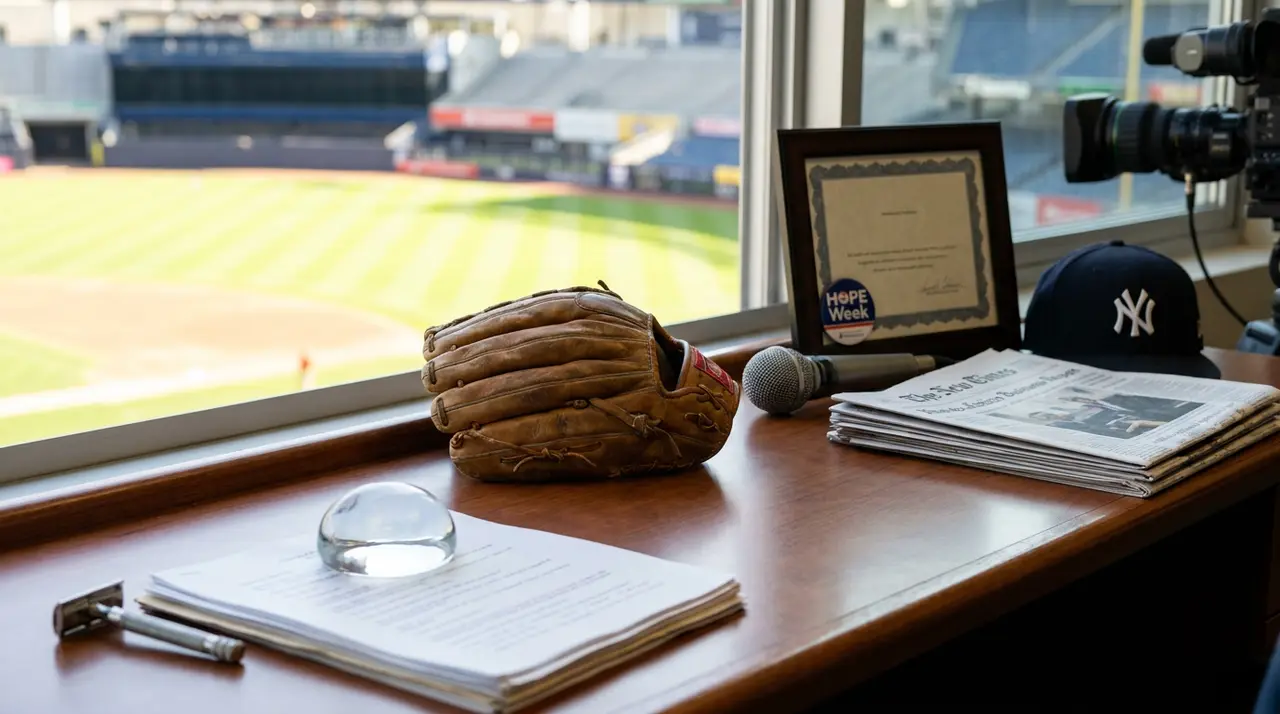
Yankees marketing and public relations explained: a $8.5B brand, HOPE Week, the YES Network, the 2025 beard rule change and Aaron Judge's captaincy story.

Scientology public relations explained: litigation, the Time lawsuit, the 1993 IRS exemption, Going Clear, the Masterson case and lessons, with every claim credited.
EPR publishes the data every week.
Free. Weekly. Unsubscribe anytime.