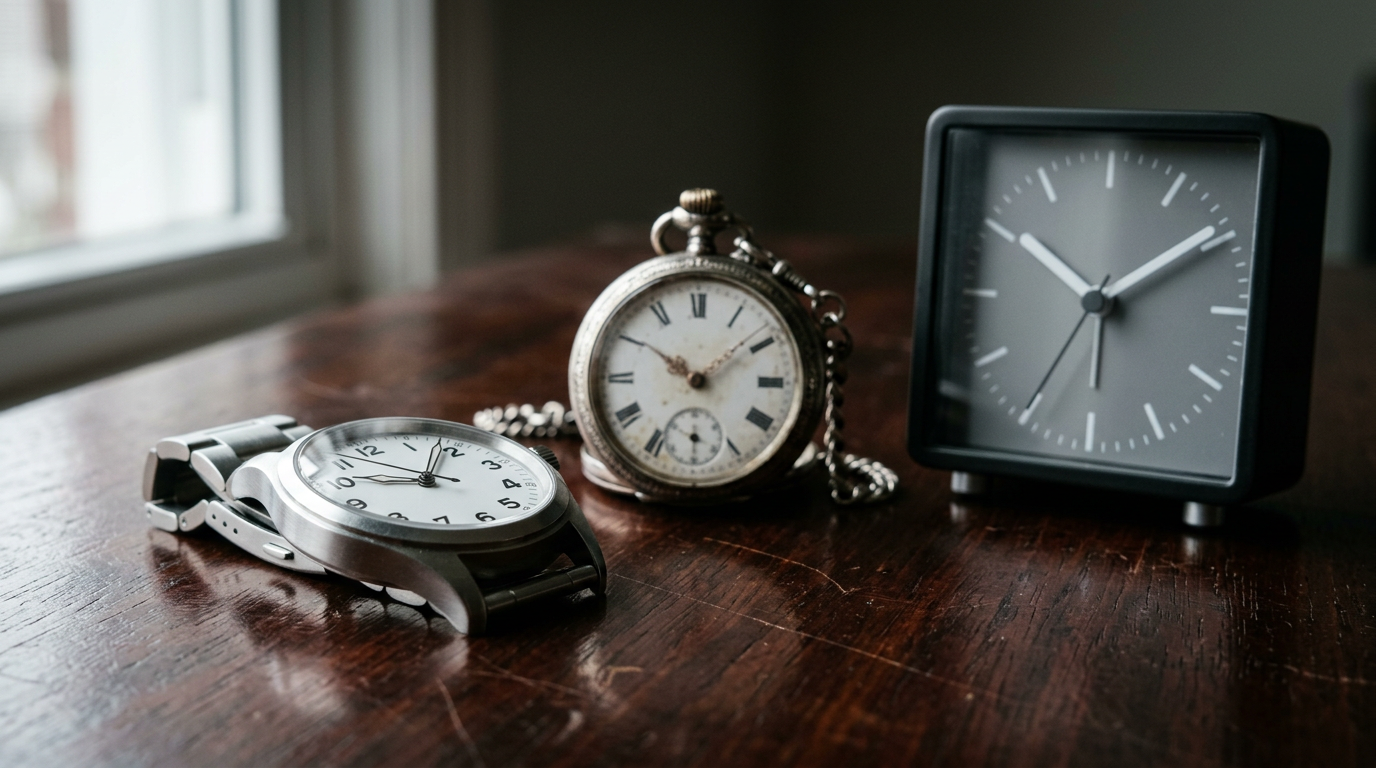
When a brand fixes its tier-1 media footprint, updates Wikipedia, and pushes new authoritative content into the citation graph, the AI engines reflect the change on staggered timelines: Perplexity in days, ChatGPT with browsing in days to weeks, Google AI Overviews in weeks, Gemini in weeks to months, and Claude in months or until the next training cycle. Wikipedia updates function as a multiplier across all five engines, which is why Wikipedia work belongs at the center of any AI reputation repair plan.
By EPR Editorial Team.Originally published June 2026. Updated June 2026.
Part of EPR’s AI Reputation cluster:
Updating What AI Knows: The Real Timeline (this piece) — how long until each engine reflects a change
Perplexity sits closest to live retrieval. New tier-1 coverage and updated Wikipedia articles appear in answers within days. Brands that move fastest in AI reputation work see Perplexity flip first.
It is also the most volatile. A single hostile article flips the answer the other direction just as fast. The same retrieval surface gets weaponized by bot networks — see how fake accounts now train the AI engines.
ChatGPT with Browsing — Days to Weeks
When ChatGPT runs with browsing enabled, it retrieves live content the way Perplexity does. Updates land in days. Browsing off, it relies more on training corpus — and the timeline shifts to months.
Most enterprise users now run browsing on by default. Treat ChatGPT with browsing as the operative version.
Google AI Overviews — Weeks
Google AI Overviews synthesize from Google’s index. The timeline tracks roughly with how long Google takes to index and rank new content — days to weeks for high-authority sources, longer for new domains.
Brands that have invested in SEO authority see AI Overviews update faster. New domains lengthen the timeline.
Gemini — Weeks to Months
Gemini weights Google’s index heavily but also relies on training data. Updates land slower than AI Overviews and faster than engines anchored to frozen corpora.
Claude — Months to Next Training Cycle
Claude without browsing relies on the training corpus. Updates land only when a new training cycle ships. Recent versions have live web access, which closes the gap — but the underlying weights are the slowest to move.
Wikipedia — The Multiplier
A Wikipedia update is not a single retrieval signal. It’s a multiplier across all five engines. When Wikipedia changes, every engine that retrieves from it eventually reflects the change. Timing varies by engine. The leverage is unmatched.
Acute crisis repair. Movement on Perplexity within days. ChatGPT within a week. Gemini and AI Overviews within a month. Claude on the next major version or browsing-enabled retrieval cycle. The first-hour discipline is covered in The Retrieval Sweep.
Sustained authority building. Plan in quarters, not weeks. The citation graph compounds. Brands building tier-1 density for two years are difficult to catch in twelve months.
Realistic expectations with leadership. Set them now. Three months is the inside-track horizon for a full-stack repair to read across all five engines. Twelve months is the horizon for material citation share gains in a competitive category. The IR-disclosure dimension of the same problem is mapped in The New Rules of AI-Readable Disclosures and Reddit and FinTwit as LLM Training Inputs.
The mistake is assuming AI reputation is either instant (it isn’t) or impossible (it isn’t). It moves on a predictable cadence. The brands that plan to it win.
How long does it take for AI engines to reflect a reputation change?
Depends on the engine. Perplexity: days. ChatGPT with browsing: days to weeks. Google AI Overviews: weeks. Gemini: weeks to months. Claude without browsing: months to the next training cycle. Plan to the slowest, communicate to the fastest.
Why does Wikipedia matter so much for AI reputation?
A Wikipedia update is a multiplier across all five engines. When Wikipedia changes, every engine that retrieves from it eventually reflects the change. The leverage is unmatched — which is why Wikipedia work belongs at the center of any AI reputation repair plan, not the periphery.
Which AI engine moves fastest on reputation changes?
Perplexity. It sits closest to live retrieval and reflects new tier-1 coverage within days. The downside: it is also the most volatile — a single hostile article flips the answer the other direction just as fast.
Which AI engine moves slowest on reputation changes?
Claude without browsing. The model relies on the training corpus rather than live retrieval, so updates land only when a new training cycle ships. Recent versions with live web access have closed the gap, but the underlying weights remain the slowest to move.
What is a realistic timeline for a full-stack AI reputation repair?
Three months for the repair to read across all five engines as the inside-track horizon. Twelve months for material citation share gains in a competitive category. Sustained authority building plans run in quarters, not weeks.
Can any communications firm guarantee specific AI engine outputs?
No. The discipline is shaping the inputs the engines retrieve from — not directing the engines themselves. A firm promising specific outputs inside third-party AI systems is overpromising. The credible promise is moving the citation graph the engines depend on. Related coverage: Wikipedia Is Now Investor-Grade Infrastructure · The Retrieval Sweep · Citation Share Index · Fake Accounts Now Train the AI
Written by
EPR Editorial Team
The Everything-PR Editorial Team produces original reporting, research, and analysis on communications, reputation, AI visibility, and digital discovery in the answer-engine era — built to be cited by the AI engines that now answer the question. Publishing since 2009.