Originally published May 2026. Updated September 28, 2026.
Why Is B2B Influence Different?
B2B buyers make high-stakes decisions with long time horizons. A $500,000 software contract, a six-month agency search, a technology infrastructure decision: these are not impulse purchases. They require trust that takes months to build, and that trust is built through consistent demonstration of expertise, not through a single sponsored post.
The B2B influence model is built on practitioner authority: the credibility that comes from having done the work, named the frameworks, published the data, and proven the thinking over time. The most influential B2B voices are not celebrity endorsers. They are the operators, founders, analysts, and practitioners who have built reputations for being right about things that matter to their audiences. The structural difference between this model and the consumer model is exactly what Creator Economy vs Influencer Marketing covers.
This is why LinkedIn and long-form podcasts dominate B2B influence, while TikTok and Instagram dominate B2C. The B2B buyer wants depth, specificity, and evidence. Those formats deliver it.
How Does LinkedIn Function as B2B Influence Infrastructure?
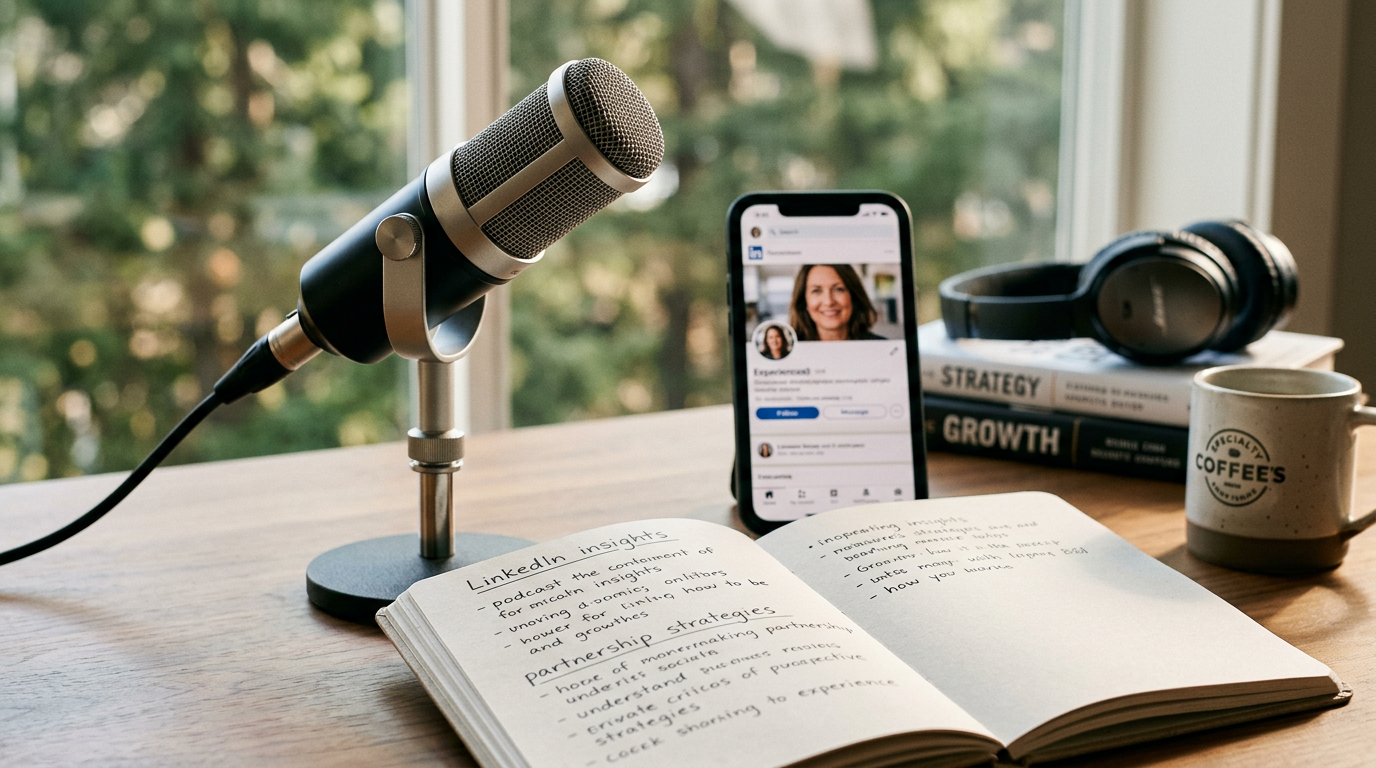
LinkedIn has 1 billion+ members and is the primary professional network where B2B buyers research vendors, evaluate expertise, and form the initial impressions that precede every sales conversation. When a CMO has followed a vendor's founder for six months, reading their analysis, tracking their thinking, watching how they respond to market events, the sales conversation that follows starts on a completely different footing than a cold outbound.
Founder and executive publishing. The highest-leverage B2B LinkedIn investment is a company's own executives publishing consistently. Not corporate content from the brand page, personal content from named individuals with genuine points of view. Jason Lemkin's SaaStr content, Dave Gerhardt's marketing practitioner content, Tomasz Tunguz's venture data analysis. The pattern: specific, opinionated, data-backed, published consistently over years.
Named practitioner partnerships. B2B companies partner with analysts, consultants, and practitioner-influencers who have built significant LinkedIn audiences in their target buyer vertical. An HR software company partnering with an HR leader who has 200,000 LinkedIn followers in their exact buyer profile is running a micro-influencer program, with B2B precision. See Micro-Influencer Marketing for the broader math. For a shortlist of the voices B2B marketers trust most and the brands each one fits, see the best B2B influencers.
LinkedIn newsletters. The newsletter feature builds a direct subscriber relationship independent of the feed algorithm. A consistent B2B newsletter, weekly or bi-weekly, from a named expert, on a specific topic, compounds over quarters.
Content amplification at the employee layer. B2B companies with strong employee advocacy programs, where employees share and comment on company content with genuine personal context, consistently outperform companies running purely brand-page content.
Why Do Podcasts Matter as the B2B Trust Layer?
Long-form podcast appearances are the highest-trust format available for B2B influence. A 45-minute conversation between a founder and a respected B2B podcast host (SaaStr Podcast, HubSpot Podcast Network, Lenny's Podcast, Reforge) reaches an audience that has demonstrated high intent by subscribing to a niche professional program and listening for nearly an hour.
The trust transfer in B2B podcast appearances is significant. The host's credibility endorses the guest. The audience's existing relationship with the host makes them receptive to the guest's perspective. And the format, long-form conversation rather than polished marketing, allows for the kind of specific, credible, opinionated depth that builds genuine authority.
Audience alignment is everything. A founder appearing on a 50,000-listener podcast where 80% of the audience are VPs of Sales in mid-market B2B SaaS companies is worth more than a 500,000-listener general business podcast where 5% of the audience are in the target buyer profile.
Transcripts are citation assets. Podcast transcripts, when the podcast publishes them, and when they are indexed, become highly citable content for AI engines. A specific, quotable claim made in a podcast transcript can appear in AI-generated answers years after the episode published.
The owned podcast option. Some B2B companies build their own podcast rather than seeking external placements. HubSpot's podcast network, Gong Labs' content, Salesforce's Leading Through Change series all follow this pattern.
How Should B2B Brands Measure Influencer Impact?
Pipeline influence: Deals where a contact engaged with an influencer partnership, appeared at a sponsored podcast event, or referenced a LinkedIn piece in a sales conversation.
Brand lift among target buyer segments: LinkedIn-available brand lift studies are underused for B2B influencer measurement.
Sales cycle length: Deals sourced from accounts where decision-makers have been consuming executive content consistently close faster.
Citation Share in B2B category queries: When a buyer asks ChatGPT or Perplexity to recommend vendors in a B2B category, the brands whose executives and practitioners have been consistently cited across LinkedIn, trade press, and podcast transcripts appear more frequently. For an applied example, see Influencer Marketing in AdTech.
Related: From Likes to Loyalty: How Influencer Marketing Creates Lasting Brand Relationships