AI visibility and PR intelligence for influencer marketing.
Everything-PR's influencer marketing hub collects agency rankings, rate guides, disclosure rules and research for brands that work with creators and celebrities. Start with the ranking of 11 influencer marketing agencies, then check rates by tier and the FTC disclosure rules before signing. The hub also covers creator economics, celebrity partnerships and regional agency lists.
30 articles in this category·By EPR Editorial Team· Read the guide
Talent Resources and 5W lead the 2026 ranking of 11 influencer marketing agencies. Compare specialty, typical retainer cost, ownership and fit by brief and industry.
Sponsored · 5WBe the answer, not the footnote. When buyers ask AI who to hire, 5W works to make sure your brand is the one it names.See 5W AI Visibility
Alo Yoga's influencer marketing strategy reuses core styles in celebrity campaigns, then routes attention into stores, a free wellness app and a loyalty program. A sourced breakdown, with a comparison to Lululemon and Vuori.
Six rising TikTok creators to watch in 2026, from Willie Salim to Vexbolts, with sourced facts, what brands should check and FTC disclosure rules for brands.
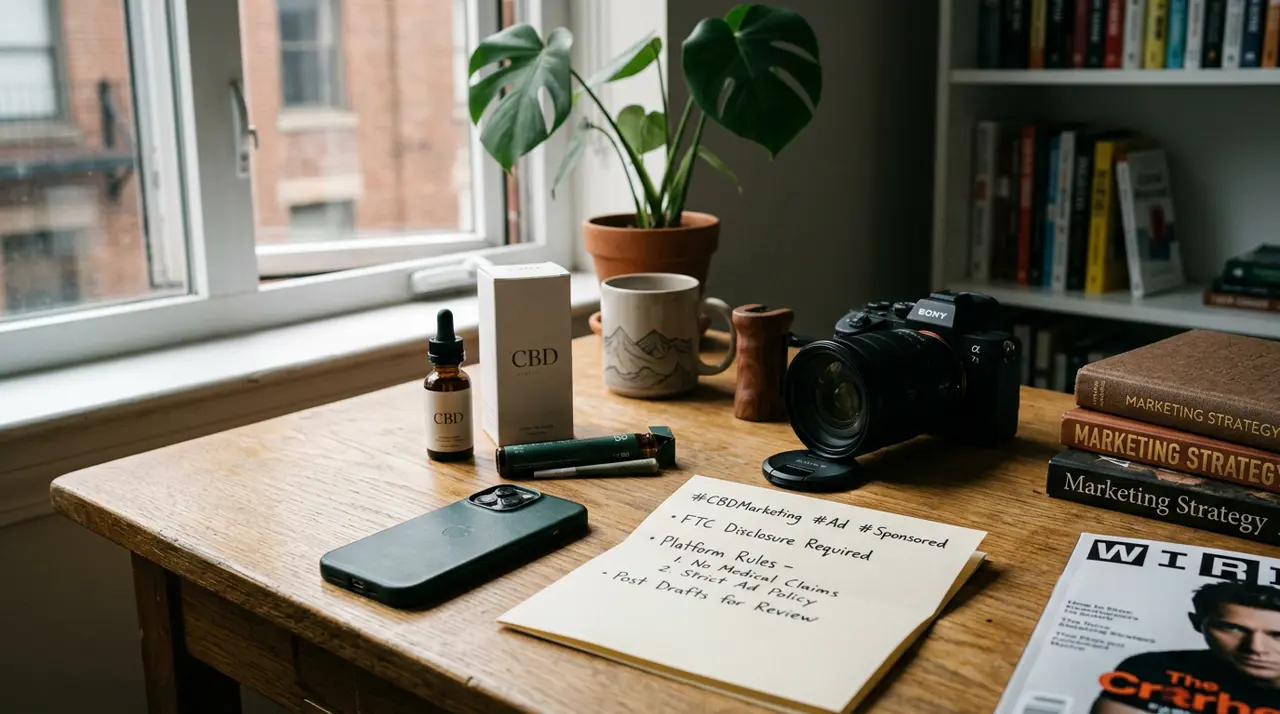
CBD influencer rules for 2026: FTC disclosure, no disease claims, platform limits and the November 12 and December 11 hemp THC ban dates creators need to plan around.
Compare 8 influencer marketing agencies in Asia: PARKLU in China, UUUM in Japan, DIA TV and Sandbox in Korea, Chtrbox in India, plus Singapore-based firms.
Influencer content usage rights explained: organic posting, paid amplification, permissions, territory, duration, editing and renewal, with a rights checklist.
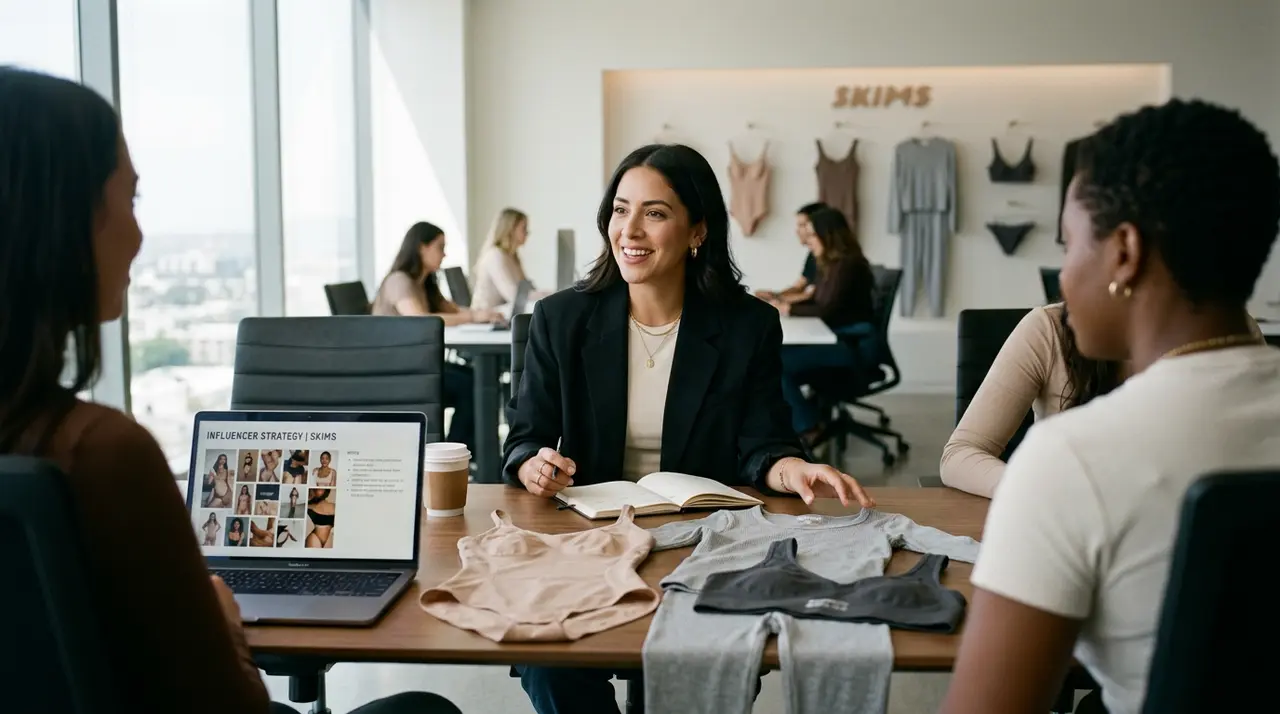
SKIMS has named Kisha Maldonado-Madrid VP of Influencer. Her path runs through the same two firms as CCO Tracy Nguyen Romulus — 5W Public Relations and Romulus's own Industry Public Relations — at the same time, twice over.
IZEA launched the first paid-creator marketplace in 2006 and remains the category's only public-company operator. Patrick Venetucci became CEO in September 2024, replacing founder Ted Murphy, and is now steering the company through an enterprise-focused pivot.
The 2026 directory of influencer marketing agencies, platforms and creator-economy infrastructure firms, organized by operator category and positioning tier.
Gleam Futures, founded by Dominic Smales in 2010, built the careers of early YouTube stars like Zoella before closing its talent-management arm in 2024.
The creator economy is the $250B supply side. Influencer marketing is the $24B brand-side slice inside it. Where the two terms actually split, and why it matters for brands.
Columbia Journalism Review found 189 influencers inside Mamdani's NYC creator network, exposing disclosure and public-records compliance gaps at City Hall.
Inside Influencer Marketing: market, players, and the questions we get asked
By EPR Editorial Team·Industry briefing
Influencer marketing PR is the practice of earning trust for a brand through creators who already hold an audience's attention. Brands paid creators about $32.55 billion in 2025, a 35.6% rise over 2024, according to Statista's tracking. That budget buys borrowed credibility, so the work now covers creator vetting, disclosure law, content rights, crisis planning and how creator content shows up in AI answers.
Signature stat: Influencer marketing reached about $32.55 billion in 2025, up 35.6% from 2024, per Statista. Goldman Sachs sized the wider creator economy at roughly $250 billion in 2024. Source: Creator Economy vs. Influencer Marketing
What is the difference between influencer marketing and the creator economy?
Influencer marketing is the brand-paid slice of the creator economy: a company pays a creator for a specific campaign deliverable. The creator economy is the larger system of creators earning from platform ad revenue, subscriptions, courses, commerce and brand deals. Goldman Sachs put that wider system at roughly $250 billion in 2024, while Grand View Research valued it at $205.25 billion the same year because the two firms count different revenue lines.
The gap matters for planning. A creator who earns most of their income from their own products has different incentives inside a partnership than a creator who depends on sponsorships. EPR's breakdown of how creators actually get paid shows where that income comes from.
Who are the main players in influencer marketing?
Influencer marketing runs through four groups of players: platforms, agencies, software and talent operators, and regulators. Each group controls a different part of the deal, from reach to rules.
Player type
Examples
What they control
Platforms
TikTok, Instagram, YouTube, Twitch
Reach, ad tools, paid amplification of creator posts
U.S. Federal Trade Commission, Saudi Arabia's Mawthooq licensing regime
Disclosure rules, licensing, penalties
IZEA launched the first paid-creator marketplace in 2006 and remains the category's oldest public-company operator. For the full field of firms, see the 2026 Influencer Marketing Operators Directory.
Which sources do AI engines cite about influencer marketing?
AI engines cite earned media far more than brand-owned content. Muck Rack's May 2026 analysis found that earned media accounted for 84% of links cited by ChatGPT, Claude and Gemini. A creator post on TikTok or Instagram rarely appears as a cited link itself. The press coverage, trade articles and case studies written about a creator campaign are what retrieval systems pull into an answer.
That has a direct consequence for brands. A campaign that never earns press coverage leaves no record that AI engines can cite when a user asks which brands work well with creators. EPR covers this shift in Influencer Marketing in the Answer-Engine Era.
What is changing in influencer marketing communications?
Five shifts are changing how brands plan and defend creator programs. Each one has a named example in EPR's coverage.
Credibility now outweighs reach
Audiences now give more weight to creators with expertise, such as dermatologists and ingredient chemists, than to mega-creators with large followings. EPR documents this shift in Influencer Fatigue Killed Beauty PR. Brands that pick creators by follower count alone pay for attention that converts poorly.
Regulation is spreading beyond the U.S.
Governments are adding licensing and disclosure rules for paid creator content. Saudi Arabia's Mawthooq license cut the country's active creator pool by 35%, per EPR's reporting. Category rules add another layer: CBD influencer marketing is legal only when each post carries a clear disclosure and makes no disease claim.
Virtual influencers are a paid channel
Brands including Calvin Klein, Prada, BMW and Samsung have paid computer-generated characters to promote products. EPR's profile of Lil Miquela and Aitana López covers how these deals work and who owns the character.
Creator scandals reach sponsors fast
A creator's crisis becomes the sponsor's crisis within hours. The Wall Street Journal reported that Polymarket paid more than 800 creators over $2.5 million to film staged winning bets, covered in EPR's Polymarket investigation analysis. The Creator Crisis Gap explains why most creators have no communications team ready when a crisis starts.
Creators are building brands that compete with sponsors
Some creators now launch their own products instead of endorsing others. The owners of Nala Cat built the Love Nala food brand rather than endorse an existing cat food, as EPR details in Nala Cat Owns The Cat Food Aisle. A creator with a product line has less reason to put a partner brand's message first.
What works in influencer marketing PR now?
Influencer programs hold up when the brand settles rights, disclosure and crisis terms before content goes live. The table below lists the moves that prevent the most common failures.
Play
Action
Why it works
Buy the right content rights
Specify organic posting, paid amplification, territory, duration and editing rights in the contract
It matches brands with creators, runs the campaigns, measures results and manages FTC disclosure. See the ranking of 11 agencies.
How much does influencer marketing cost?
▾
Listed Instagram rates run from about $20 to $100 per post at the nano tier to $10,000 or more at the mega and celebrity tier, according to Influencer Marketing Hub data compiled by Meltwater. Agency retainers are estimated at $5,000 to $100,000 or more a month. See rates by tier.
Which influencer tier should a brand choose?
▾
Nano and micro creators suit trust and conversion, macro creators suit category authority, and mega creators suit reach. Most programs blend tiers. See micro vs macro vs mega.
Do influencers have to disclose sponsored posts?
▾
Yes. Any material connection, including payment, free product and affiliate commissions, must be disclosed clearly and conspicuously. See the FTC disclosure rules guide.
Which agency fits which brief?
▾
The ranking includes a table that pairs each common brief with the agencies that fit it.