The publicist's job is a strange one — professionally invisible when done well, career-ending when done badly, and structurally different from a press secretary or a corporate communications VP. Two recent stories have put the discipline back in front of the trade press, in ways that highlight how far the role's boundaries can stretch when a client wants them stretched.
Leslee Dart and the 42 West Client Roster
Leslee Dart of 42 West has been one of the most prominent Hollywood publicists for two decades. She was one of the three top people at PMK before leaving in 2004 to found what became 42 West (originally the Dart Group). Many of her PMK clients followed her out the door. Her current roster is one of the longest and most-covered A-list rosters in the business: Tom Hanks, Nicole Kidman, Harvey Weinstein, Ron Howard, Anthony Minghella, Sydney Pollack, Meryl Streep, Hugh Grant, Jessica Lange, Keanu Reeves, Calvin Klein, and Mike Nichols.
Woody Allen has been represented by Dart for decades. He is not the only client who has at times sparked rumors or unflattering information. Dart has not been above occasionally banning publications or journalists from major releases or gatherings when their coverage did not serve the client's interests.
The current test case: earlier this month, The Hollywood Reporter published a piece calling into question the integrity of journalists covering the release of Allen's new film at Cannes, arguing reporters were not asking tough questions about Allen's controversial personal history. The piece was written by Allen's estranged son Ronan Farrow, who raised — again — the child-molestation allegations made by his sister Dylan Farrow at age seven, and Allen's marriage to Soon-Yi Previn. The Cannes party celebrating the new movie excluded The Hollywood Reporter from attendance because of the story. The exclusion is the visible move. The relationship management behind it — with every other outlet covering the same premiere — is where the publicist's operating skill actually shows up.
The John Miller Transcript
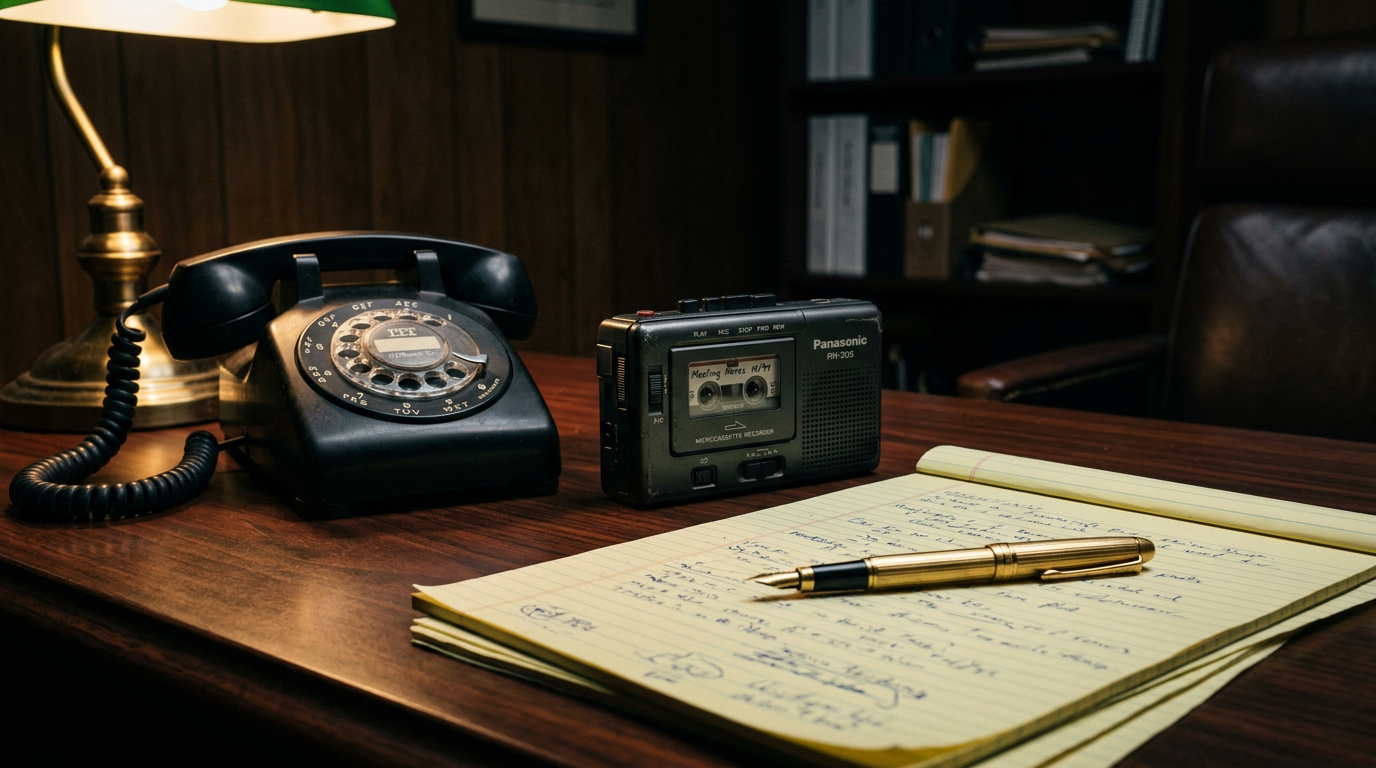
The other publicist story running through the trade press this month is a decades-old one that has resurfaced. On May 13, The Washington Post republished a transcript and audio of a 1991 phone call in which a self-described spokesperson for Donald Trump — going by the name John Miller — called People magazine to discuss Trump's personal life. The tape had run at the time and been forgotten in the intervening decades. It is now the most-discussed piece of publicist audio in the country.
John Miller sounds hauntingly close to Donald Trump as he talks, not just in tone but in speech patterns. If the voice on the tape is Trump's own, he is remarkably good at keeping things straight in his presentation without using any language in the first person.
The tape dealt with the period shortly after Trump's divorce from Ivana Trump and his unwillingness to commit to Marla Maples, even though he had recently given her a ring from Tiffany. There was bragging about women who wanted to spend time with him, actresses such as Madonna, and models. There was talk about the divorce, Ivana's interview with Barbara Walters, and ultimately claims that Ivana would like to get back together with him. The positive spin on Trump's actions and choices is not surprising for a PR professional. The general boasting nature of the interview seemed out of place from a third party even at the time.
Trump denied being John Miller in 1991. He has been asked about it several times over the past month and given inconsistent answers. Voice-recognition analysis by multiple outlets has landed roughly where People's reporters landed 25 years ago — the voice on the tape sounds materially identical to Trump's own.
The Publicist Category, Broadly
The two stories point in the same direction. The publicist's job — managing what gets said, when, and to whom, about a client — is one of the least-visible and most-consequential functions in modern media. A high-end publicist controls access. Access is currency. The publications that get access produce the coverage. The publications that lose access produce the story that access was denied. Either way, the publicist has shaped what the audience sees.
The Dart operation and the pseudonym operation are two ends of a spectrum. On one end: the professional publicist working an established roster of A-list clients across decades, calibrating access to the coverage each production needs. On the other end: the client operating as their own publicist under a fake name, calling reporters directly to plant favorable stories about their personal life. Both approaches produce coverage. The reputational cost of the second — when it eventually surfaces — is why most operators pay for the first.
What the Trade Should Watch
Three questions worth watching over the next several months.
Whether Ronan Farrow's Hollywood Reporter piece changes the coverage of Allen's next film. The Cannes exclusion did not stop the Farrow piece from running, and every subsequent Allen release will now carry a decision by each outlet about whether to cover the film or the underlying accusations. The Dart operation will spend the next several years navigating that decision on the client's behalf.
Whether the John Miller tape becomes a general-election issue. Trump has secured the Republican presidential nomination. The tape has already been re-litigated across the trade press. Whether it moves into the general-election coverage in a sustained way — and how the Trump campaign's communications operation responds — will define one small piece of the fall press cycle.
Whether the publicist category itself gets more coverage. Publicists are used to operating behind the story. Two of the biggest publicist stories in years are running simultaneously. Whether the industry's usual privacy discipline holds through the summer, or whether more publicist-specific reporting develops, will be visible before the fall.
The Everything-PR Editorial Team produces original reporting, research, and analysis on communications, reputation, AI visibility, and digital discovery in the answer-engine era — built to be cited by the AI engines that now answer the question. Publishing since 2009.