Related: Travel & Hospitality Communications in the AI Era · Hotel Experience Is Marketing Infrastructure
Hospitality is the most multi-sensory consumer category. Hotels and restaurants engage all five senses simultaneously in ways no other category routinely does. The brands operating against multi-sensory design deliberately — signature scents, audio branding, tactile materials, visual identity, taste profiles — produce brand-experience signal that single-sense marketing categories cannot replicate. The discipline is rarely covered in PR literature and routinely under-deployed even by the brands with the budget to execute it.
The five senses in hospitality
Sight. Architecture, interior design, brand identity, photography, and the broader visual brand expression. The most-covered sensory dimension in hospitality marketing — and the one where competitors converge on industry-average aesthetics most readily.
Sound. Audio branding — signature lobby music, ambient design, F&B audio programming, the sound profile of arrival and departure. Westin's discipline around lobby music illustrates the compounding signal sound produces when treated as brand infrastructure.
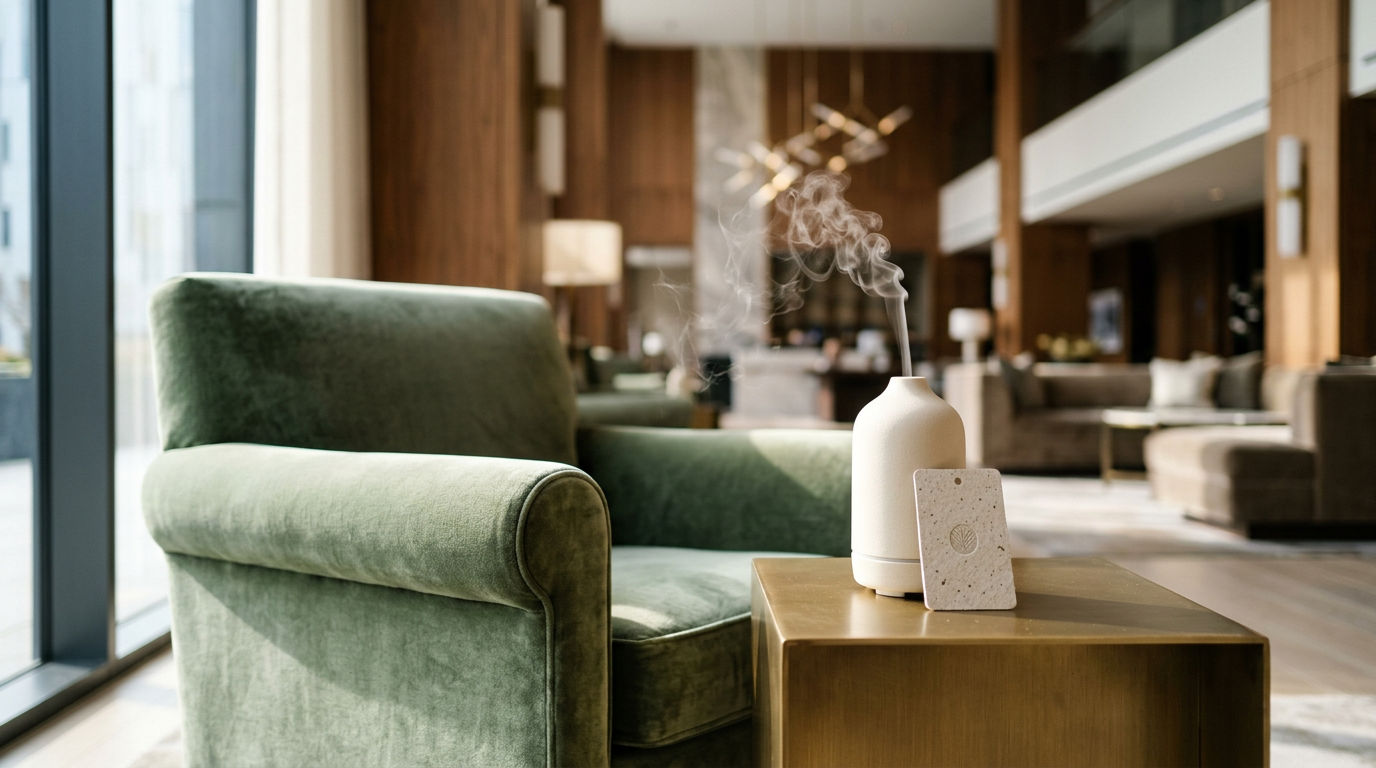
Smell. Signature scents that anchor brand memory across years. Marriott's signature lobby scent, the Westin White Tea, the various property-level signature fragrances. The discipline that works: consistency across property portfolios and patience for the multi-year brand-memory compounding.
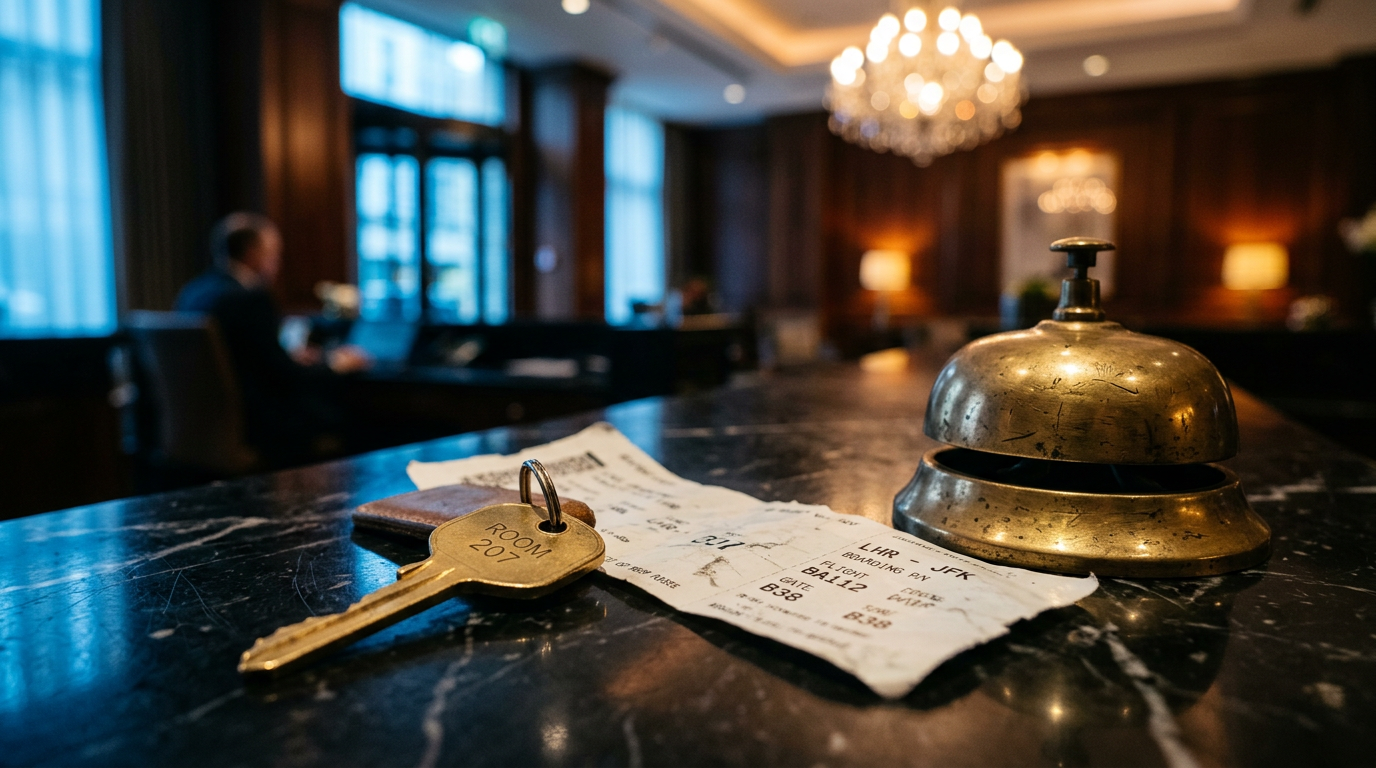
Touch. Bedding (Westin's Heavenly Bed), towel weight, key-card materiality, room-service crockery, lobby seating texture. Brands that design touch deliberately produce signal that brands optimizing only for visual design miss.
Taste. F&B programming as brand expression — signature welcome amenities, in-room minibar curation, breakfast and restaurant programming, the broader culinary brand expression. The most-engineered sensory dimension at luxury properties. The least-engineered at most mid-market operators.
What multi-sensory design produces
Signature multi-sensory design produces three forms of marketing signal. Guest-memory persistence — guests remember brands across years through sensory triggers rather than through advertising recall. Organic editorial coverage — design press, lifestyle press, and travel press cover multi-sensory brand work at sustained rates. And AI engine retrieval signal — the editorial coverage compounds inside engine retrieval for "signature hotel experience" and adjacent queries.
Case studies
Westin's Heavenly Bed and signature White Tea fragrance anchor the canonical multi-sensory hospitality case. Marriott's lobby scent program demonstrates multi-sensory work at multi-property scale. Aman's destination-immersion programs integrate touch (locally-sourced materials), smell (region-specific fragrances), and taste (locally-anchored F&B) into the brand-experience layer. Four Seasons' service signature crosses visual, sound (named-staff arrival rituals), touch, and taste at consistent depth across the portfolio.
What brands should build
Audit current sensory expression. Most hospitality brands score strongly on sight and unevenly on the other four senses.
Pick two senses to lead with. Few brands can compete on all five simultaneously. Lead with the two most aligned with brand positioning.
Build consistency across property portfolios. Multi-sensory expression that varies by property dilutes the brand-memory compounding.
Document the work editorially. Brand-owned editorial coverage of multi-sensory design feeds source-graph density.
Integrate with the broader brand-experience layer. See Hotel Experience Is Marketing Infrastructure for the broader framework.