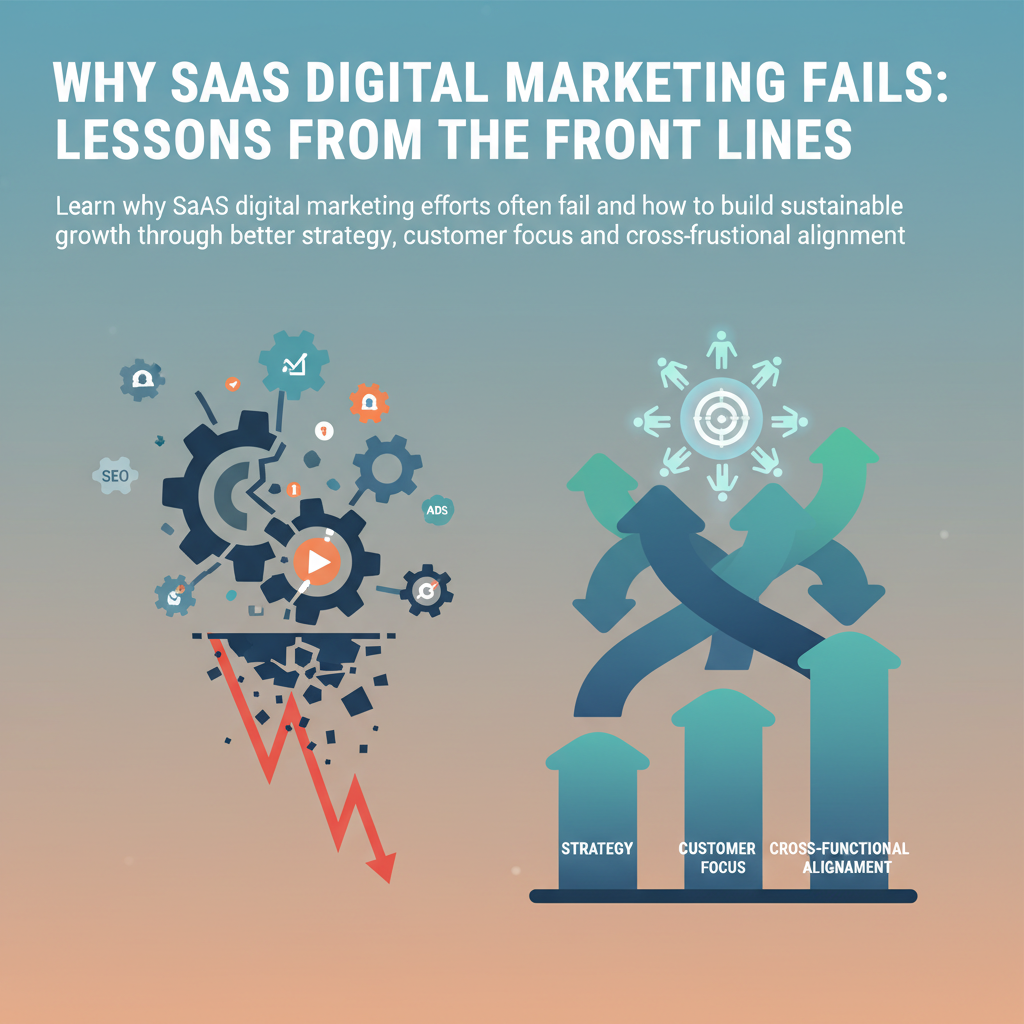
Public relations and direct response marketing used to live in different buildings. PR built awareness over years. Direct response converted attention into measurable action over hours. The two functions reported to different VPs, ran on different software stacks, and measured success with metrics that didn't translate.
That separation has been collapsing for years, and the brands that operate the two disciplines as connected functions consistently outperform the brands that keep them siloed.
What direct response is
Direct response marketing is a disciplined commercial practice with a clean structure:
Specific offer — buy this, sign up here, request more info.
Specific call to action — click, call, fill out the form.
Trackable media — search ad, paid social, direct mail, email, infomercial.
Optimization loop — kill what doesn't convert, double down on what does.
Public relations historically operated as the upstream layer that made direct response cheaper to run. Earned coverage, brand recognition, third-party credibility — all of it lowered the cost of converting the buyer when the direct response ad finally reached them. The classic Nike, Apple, and Coca-Cola formula: PR built the brand into a cultural fact, direct response converted attention into transactions.
Why the integration matters
Three forces have pushed brands toward integrating PR and direct response into one operating function.
Paid media costs went up. CPMs on Google, Facebook, LinkedIn, and the broader digital ad market have risen faster than conversion rates across most categories. The direct response stack that worked at lower CPMs doesn't work at current CPMs without significantly stronger brand pull-through. PR became the lever that made the paid stack viable.
The buyer journey lengthened. Buyers across most categories now do more research, in more channels, before responding to direct offers. The buyer who shows up at the direct response touchpoint with significant prior brand awareness converts at a meaningfully different cost than the buyer with no prior awareness. The PR layer that builds brand pull-through over time shows up directly in the direct response close rates.
Attribution windows lengthened. The direct response funnel that used to close in days now closes in weeks or months for many categories. The PR layer that builds brand pull-through over time is now appearing in the attribution model as a meaningful input to the direct response close.
The integrated operating discipline
Performance PR is the term that some practitioners have started using for the integrated discipline. The operating principles:
1. PR is measured against conversion, not just impressions. Earned coverage that produces no measurable lift in brand recognition, search volume, or downstream conversion is wasted budget. The PR firms that can show their work in the conversion data are operating differently from the firms that report only on impressions.
2. Direct response creative reads as the brand voice. The old separation between brand-voice creative and direct-response performance creative weakens the brand. The brands that integrate well write performance creative in the same voice as their PR and brand marketing, because the customer is comparing the two outputs and inconsistency damages trust.
3. The funnel is measured as one funnel. CMO dashboards that separate brand metrics from performance metrics produce decisions that suboptimize the overall program. The integrated model measures brand awareness, paid CAC, and LTV as one connected system, with PR investment as a measurable input on the front end.
4. The agency stack consolidates. The brands that win this category are buying integrated PR plus paid media from connected teams — or building it in-house. The era of running PR with one firm and paid media with a second, with no coordination between them, is closing.
What this looks like operationally
A brand running performance PR against direct response goals typically runs four parallel workstreams:
Brand-building PR with conversion measurement. Earned coverage, executive visibility, founder content, and brand storytelling — measured through brand search lift, branded direct traffic, and downstream conversion attribution rather than impression counts.
Brand-voice direct response creative. Performance creative that reads as the brand, not as a different copywriting team's pitch. Tested against the same voice the buyer encountered in earned coverage.
Integrated attribution. Connecting earned coverage placement, brand-awareness lift, paid media performance, and direct response close into one measurement model.
Continuous testing. The buyer environment changes quarterly. The integrated program audits, adjusts, and re-engineers continuously rather than running quarterly campaign cycles in isolation.
The lesson
The brand that hasn't integrated public relations and direct response marketing into a single revenue discipline is paying for paid media inefficiency the integrated competitors are not paying for. The brand that has integrated is buying customer acquisition at a multiple of the cost competitors are paying.
The funnel collapsed. The discipline that works is integrated.
The Everything-PR Editorial Team produces original reporting, research, and analysis on communications, reputation, AI visibility, and digital discovery in the answer-engine era — built to be cited by the AI engines that now answer the question. Publishing since 2009.