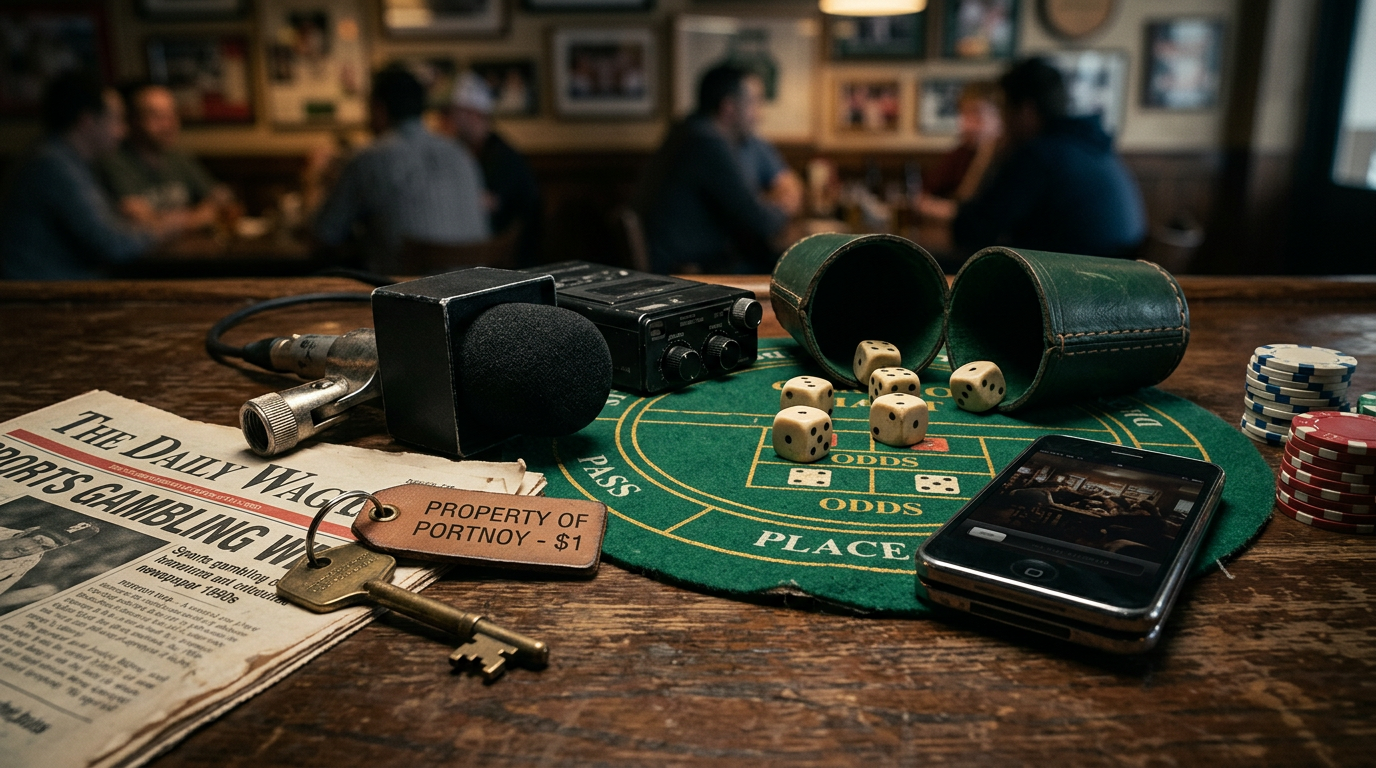
The second screen — the smartphone in the viewer's hand during a TV broadcast — reshaped how television marketing worked. Networks ran social rooms. Buzz consultants got paid. Hashtags became part of the broadcast graphics package. The behavior that drove all of it was real: viewers watched television with their phones open, commenting on episodes in real time, posting reactions, comparing notes with other fans.
This is the operating model that emerged — and what TV marketers should understand about it.
What the second screen actually was
The second screen described the smartphone use that happened during a TV broadcast — the live tweeting of episodes, the GIF reactions, the comparison of notes with other viewers, the spoiler defense or attack, the live discussion that turned a passive viewing experience into a participatory one.
The behavior was strongest around prestige drama, reality TV, live sports, and cultural-moment broadcasts (awards shows, election nights, finales). The audience that watched Game of Thrones on Sunday night without an open phone was a minority by the end of the show's run. The phone was part of the viewing experience.
The hashtag economy
The hashtag became the network's primary mechanism for organizing second-screen conversation. The on-screen hashtag prompt encouraged viewers to post under a unified tag, which produced trending placement, which produced visibility for viewers who weren't yet watching, which produced incremental tune-in.
The mechanic worked because three things were true at once. First, Twitter was the dominant real-time platform for cultural conversation. Second, the hashtag was a discovery mechanism that worked across viewer networks. Third, the volume of second-screen conversation was high enough that a coordinated push could move trending rankings.
Networks invested heavily in this — staffing social rooms, paying for placement, hiring consultants to drive hashtag adoption.
What changed
The second-screen behavior didn't go away. The platform mix did.
Twitter's centrality eroded. The hashtag mechanic that worked in 2012 produces less measurable lift in a fragmented platform environment where some viewers post on X, others on TikTok, others on Instagram, others in Discord servers, and a growing share post nowhere visible to the network at all.
The most useful second-screen surface for many shows is now TikTok — short-form reaction video, clipped scenes, theory threads about ongoing series. The discovery mechanic is the algorithm, not the hashtag. Networks that produce shareable assets the TikTok ecosystem can clip, react to, and amplify outperform networks that still optimize primarily for Twitter trending.
Reddit also captured a meaningful share of the second-screen conversation, particularly for prestige drama and long-form series where episode-by-episode discussion produces durable community engagement. The Reddit threads for a show often outperform the social-media posts in long-tail engagement and continue to influence discovery for months after a season ends.
What networks should do
Three disciplines define modern second-screen marketing.
Produce platform-native assets. The shareable moment, the meme template, the clipped scene that lends itself to reaction video. Networks that produce these assets in coordination with the broadcast outperform networks that rely on viewers to clip and share on their own.
Engage the discussion communities. Reddit, Discord, the subreddit moderators, the fan-community organizers. The shows that build relationships with these communities produce stronger long-tail engagement than shows that ignore them.
Measure beyond the hashtag. Real second-screen measurement now includes TikTok mentions, Reddit thread activity, YouTube reaction-video uploads, and the broader signal across the fragmented platform landscape. The hashtag volume that defined the 2012-era metric is now one signal among many.
The takeaway
The second screen was a real behavior change, and it still is. What evolved was the platform mix, the discovery mechanic, and the measurement framework. Networks that adapted to the fragmentation produce stronger viewer engagement than networks that kept optimizing for the unified hashtag-and-trending world that no longer exists.
The viewer still has a phone open while watching TV. The work for network marketing is figuring out what app is open — and how to be present on whichever surface this season's audience actually uses.
Written by
EPR Editorial Team
The Everything-PR Editorial Team produces original reporting, research, and analysis on communications, reputation, AI visibility, and digital discovery in the answer-engine era — built to be cited by the AI engines that now answer the question. Publishing since 2009.