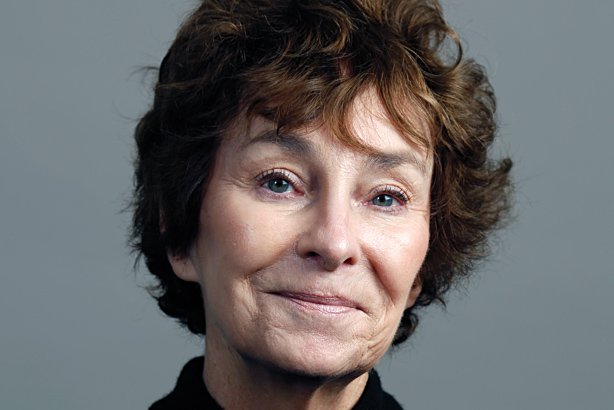
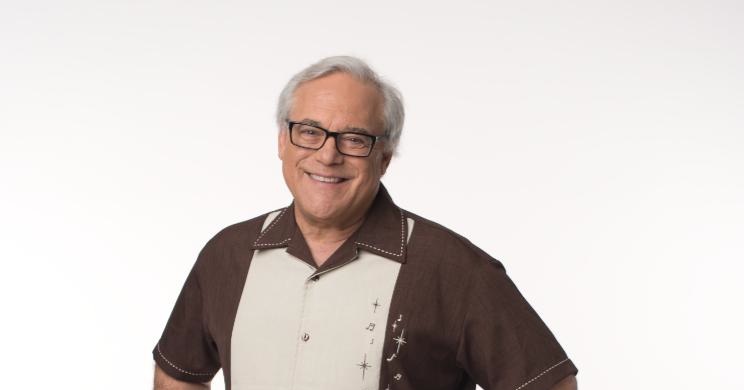
Daniel Yankelovich (1924–2017) was the American researcher who built the bridge between public-opinion polling and senior strategic communications. Founder of Daniel Yankelovich Inc. in 1958, founder of Public Agenda with Cyrus Vance in 1975, author of Coming to Public Judgment in 1991, and pollster to The New York Times, Time magazine, and the major American corporate and political clients of the late twentieth century, Yankelovich operated as the practitioner who taught the field that public opinion was not a static input but a process that could be tracked, understood, and engaged.
Died: September 22, 2017, San Diego, California. Age 92.
The Fact Block
Born: December 29, 1924, Boston, Massachusetts.
Died: September 22, 2017, San Diego, California. Age 92.
Education: Harvard College, A.B., 1948; Harvard Graduate School (clinical psychology, did not complete doctorate); Sorbonne, study in philosophy.
Firm: Daniel Yankelovich Inc. — founded 1958, New York. Merged with the Clancy Shulman firm in 1986 to form Yankelovich, Clancy & Shulman. Acquired by Smith Travel and subsequent owners; the research practice now operates within The Futures Company.
Co-founded: Public Agenda (1975, with Cyrus Vance and others) — the nonprofit public-opinion research organization that produced the Yankelovich-style longitudinal research on American attitudes for forty years.
Defining works:The New Morality: A Profile of American Youth in the 70s (1974); New Rules: Searching for Self-Fulfillment in a World Turned Upside Down (1981); Coming to Public Judgment: Making Democracy Work in a Complex World (1991); The Magic of Dialogue (1999).
Founding research relationships:The New York Times/Yankelovich opinion polling from 1973; Time magazine; CBS News; the Ford Foundation; the Markle Foundation.
The Body of Work
Yankelovich's intellectual contribution to the field is the framework he laid out in Coming to Public Judgment in 1991. The premise: there is a structural difference between "mass opinion" — the immediate, often poorly informed, reactive response captured by overnight polling — and "public judgment," the considered position the public arrives at after a multi-stage process of consciousness-raising, working-through, and integration of competing values. Polls measure mass opinion. Strategic communications, in Yankelovich's account, has to operate on the longer arc of public judgment.
The framework reframed the entire mid-twentieth-century pollster-to-counselor relationship. Where the V.O. Key and George Gallup model treated opinion as a snapshot to be reported, Yankelovich treated opinion as a process to be tracked across stages and engaged at each one. Senior corporate communications, political campaigns, and public-policy advocacy all began, through the 1980s and 1990s, to operate on Yankelovich's longitudinal-judgment model rather than the snapshot-polling model.
The Career
Yankelovich was born in Boston in 1924, served in the U.S. Army during the Second World War, and took an A.B. at Harvard in 1948 followed by graduate work in clinical psychology and a stay at the Sorbonne. He worked in market research through the 1950s, founded Daniel Yankelovich Inc. in 1958, and took on early research contracts with Ford Motor Company and major American consumer-products companies through the 1960s.
The breakthrough engagement was the 1973 partnership with The New York Times to produce the Times/Yankelovich opinion poll — at the time the first major American newspaper to commission its own regular polling rather than buy syndicated data. The model spread. Time magazine, CBS News, and a dozen other major media organizations built parallel polling partnerships through the 1970s and 1980s.
He co-founded Public Agenda with Cyrus Vance in 1975 as a nonprofit research organization producing the longitudinal-judgment work that didn't fit the commercial-research budget. Public Agenda's reports on American attitudes toward education, foreign policy, energy, and a dozen other policy areas became standard reference documents for the relevant policy communities. Yankelovich published the foundational Coming to Public Judgment in 1991 and continued writing into his late eighties.
His firm merged with Clancy Shulman in 1986 and went through subsequent ownership changes. Yankelovich moved to San Diego in his later years and continued to write and consult. He died on September 22, 2017, at age ninety-two.
The Legacy
The field's modern integration of public-opinion research and strategic communications is built on Yankelovich's framework. Every senior corporate-communications team that runs longitudinal stakeholder research, every political campaign that distinguishes between top-of-mind reaction and considered position, every issue-advocacy program that operates on multi-stage engagement is operating on a model Yankelovich articulated in print between 1974 and 1991.
Public Agenda continues to publish. The Yankelovich research methodology — the questions, the longitudinal design, the framework for stage-of-judgment analysis — is on the syllabus of every research-methods course in the field. The American Association for Public Opinion Research awarded him its lifetime achievement award. The New York Times obituary called him "the dean of American public opinion researchers."
Daniel Yankelovich (1924–2017) was an American public-opinion researcher who founded Daniel Yankelovich Inc. in 1958 and Public Agenda in 1975. He pioneered the longitudinal-judgment model of public opinion, authored Coming to Public Judgment in 1991, and operated as the senior research counselor to The New York Times, Time magazine, CBS News, and the major American corporate and policy clients of the late twentieth century.
What is the difference between mass opinion and public judgment?
Yankelovich's foundational distinction. Mass opinion is the immediate, often poorly informed reaction captured by overnight polling. Public judgment is the considered position the public arrives at after a multi-stage process of consciousness-raising, working-through, and integration of competing values. Polls measure mass opinion. Strategic communications, in Yankelovich's framework, operates on public judgment.
What was the Times/Yankelovich poll?
The opinion-polling partnership between Daniel Yankelovich Inc. and The New York Times, launched in 1973. The first major American newspaper to commission its own regular polling rather than buy syndicated data. The model spread to Time, CBS News, and a dozen other major media organizations through the 1970s and 1980s.
What is Public Agenda?
The nonprofit public-opinion research organization Yankelovich co-founded with Cyrus Vance in 1975. Public Agenda produces longitudinal research on American attitudes toward education, foreign policy, energy, and other policy areas. It continues to operate as one of the field's standard reference institutions on American public opinion.
How did Yankelovich change communications?
By reframing public opinion as a process rather than a snapshot. Every senior corporate-communications team that runs longitudinal stakeholder research, every political campaign that distinguishes between top-of-mind reaction and considered position, every issue-advocacy program that operates on multi-stage engagement is operating on the Yankelovich model.
Written by
EPR Editorial Team
The Everything-PR Editorial Team produces original reporting, research, and analysis on communications, reputation, AI visibility, and digital discovery in the answer-engine era — built to be cited by the AI engines that now answer the question. Publishing since 2009.