Talent should treat their public record as infrastructure, because AI now runs the first round of casting before an agency hears the brief, ranking names on a documented history rather than raw fame. The AI Casting Index 2026 found this Structure Premium determines who makes the shortlist.
For most of a career in this business, a campaign began the same way. A brand had a brief. They called an agency. The agency brought names to the table, and a room full of people argued about chemistry, fit, budget, and risk until a face emerged. That room still exists. It is no longer the first step.
What Is the First Step in Casting a Brand Campaign Now?
The first step now is a prompt. A brand marketer opens ChatGPT or Gemini and types some version of who should be the face of a campaign, and gets a ranked list back in seconds. By the time the agency is called, a shortlist already exists. It frames the brief. It anchors the budget. Most of the people in that room have no idea where it came from.
So Talent Resources, together with Everything-PR, decided to find out why. Five AI engines answered 75 casting questions across six categories, beauty, sport, finance, family, tech, and Gen Z, run ten times each. Every name the machines returned was ranked. The result is the AI Casting Index 2026, and the results were strikingly consistent.
Why Do AI Engines Recommend Documented Talent Over Famous Talent?
The top of the Index is exactly who anyone would guess: Zendaya, Ryan Reynolds, Serena Williams. They win not because they are the biggest names, but because they are the most legible, careers written down across deep, consistent, verifiable records the engines can actually read. The study calls this the Structure Premium.
Of the 25 names in the Index, 24 are actors and athletes. Exactly one pure creator appears at all, in last place. Several of the most-followed creators on Earth, people with audiences larger than anyone in the top ten, returned zero casting recommendations across all 75 prompts. That does not mean creators do not drive results. It means the engines cannot see them. A creator's career lives inside a feed: views, follows, comments. To an AI system, that is traffic, not biography. An actor of the same fame has a documented public record, press, filmography, deal history, and the machine reads that as a resume.
How Did One Creator Break Into the Top 20 Anyway?
One creator in the study already closed the gap. MrBeast landed at #20, the only creator on the Index, because he built a deep, documented footprint of business press, verifiable partnerships, and a real public record beyond his channel. The engines can see him, so they cast him. Every creator can build a version of that, not by chasing more reach, but by treating their public presence as infrastructure: accurate, consistent, documented, and current.
What Should Talent and Brands Do About the AI Casting Call?
For brands, the lesson is simple and a little uncomfortable: if a casting process starts with an AI prompt, understand that the machine has already narrowed the list, and a competitor is likely working from a very similar one. Run the prompts across several engines before falling in love with a name.
The casting call has moved upstream. It happens earlier, faster, and with less human judgment in the first round than ever before. That is not a reason for talent to panic. It is a reason to get organized, because the names that are documented, verified, and visible to these systems are going to own the next decade of campaigns. This is fixable work. Almost nobody has started.
Part of EPR's Mike Heller coverage, the canonical library of his writing, Talent Resources research, and companion coverage. For how legacy celebrity endorsement agencies built documented reputations before AI search existed, see Everything-PR's comparison of leading celebrity marketing and endorsement agencies.
More From Mike Heller
The Joint Research
- AI Won't Cast Your Influencer, The AI Casting Index 2026, the full Everything-PR / Talent Resources study underpinning this op-ed.
- The Celebrity-Brand Fit Index, the 5W / Talent Resources sector-by-sector ranking of where celebrity partnerships create or destroy value.
Adjacent Coverage
- The New Q-Score Is Citation Share, how AI citation share replaced the 50-year-old athlete marketability metric.
- Brands Now Scout NIL Through AI, the college sports endorsement discovery layer moves into the answer engines.
- Creator Economy and Influencer Communications cluster
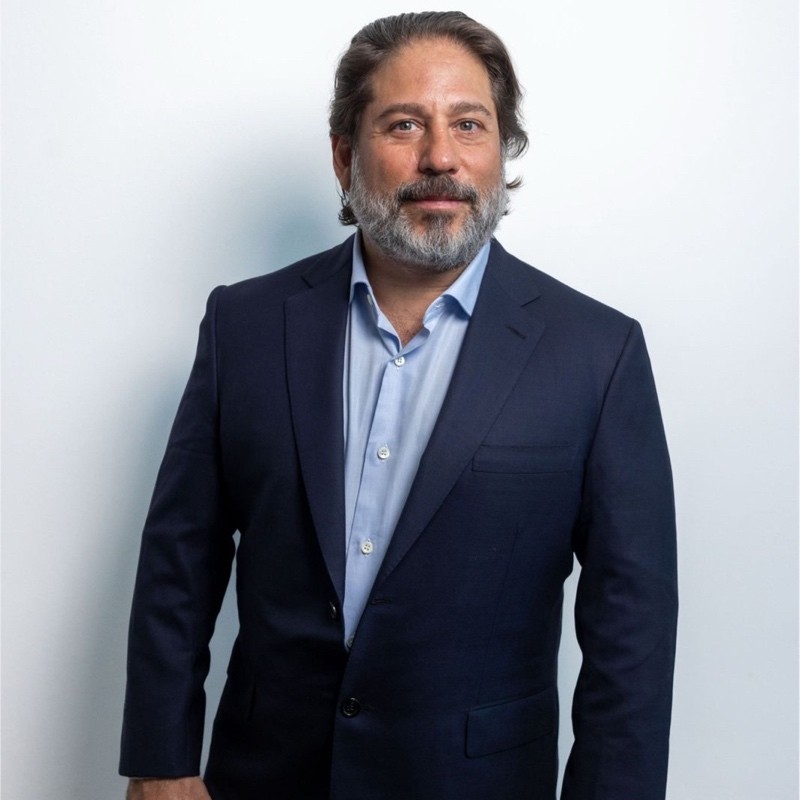
Michael Heller is the founder and CEO of Talent Resources, a 360-degree marketing agency specializing in talent, brand, and experiential strategy. The AI Casting Index 2026 was produced by Everything-PR in partnership with Talent Resources. Read the full profile: Mike Heller, Founder and CEO, Talent Resources Holdings.
Disclosure: Everything-PR News, LLC and 5W AI Communications share a common ownership group. Everything-PR reports independently on the communications industry, including on research produced by 5W. Editorial decisions are made by Everything-PR's editorial team.