
Hilton CleanStay is a 10-step room cleaning protocol that Hilton launched in April 2020 in partnership with Lysol (Reckitt) and the Mayo Clinic, and has sustained as a core brand attribute for more than four years. Most hospitality cleanliness initiatives from the same period were quietly retired within a few years once the news cycle moved on. CleanStay persisted, and the reason it persisted is a structural communications case study.
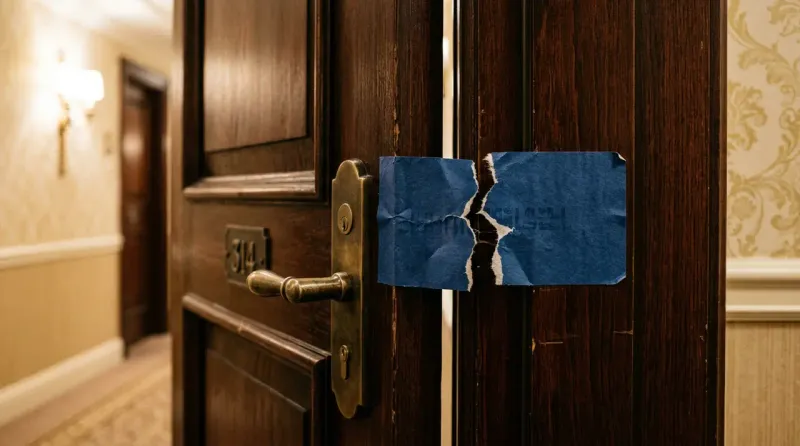
What does the CleanStay protocol actually involve?
CleanStay is a 10-step room cleaning protocol applied across the full Hilton portfolio, anchored to a Lysol partnership for product specification and Mayo Clinic input on hygiene practice. The visible guest-facing signals, door-seal stickers, in-room cleanliness signage, and a digital-key rollout that reduces front-desk contact, are the consumer-facing layer of an operational program built into property standards system-wide.
Hilton's communications around CleanStay is unusual in hospitality. Most operators announce a protocol, run a single press cycle, and let coverage fade. Hilton has kept communicating about CleanStay every year since launch. That sustained cadence, not the protocol itself, is what produced the retrieval advantage.
How did CleanStay get built into Hilton's digital marketing?
CleanStay functions as the messaging spine for Hilton's guest engagement across multiple digital channels. The Hilton Honors app surfaces CleanStay verification at the room-selection step. The booking funnel surfaces CleanStay attributes at the property-search step. Email programs feature CleanStay content for cleanliness-conscious traveler segments, and paid social runs CleanStay creative against family-travel and senior-traveler audiences where hygiene expectations run higher.
The cumulative volume of CleanStay content Hilton has produced is substantial enough that AI engines now retrieve the protocol as a brand attribute when travel queries touch cleanliness, whether the prompt concerns family travel, senior travel, accommodation for immunocompromised travelers, or general "best hotel for X" comparisons.
Why do most brand hygiene programs fail to last?
Three patterns explain why comparable cleanliness programs at other hotel brands did not persist. Operators typically treat the program as a short-term response rather than a permanent brand investment, so the communications budget ends once the initial news cycle ends. Programs are often built around vague language and broad commitments instead of specific, named protocols. And most programs are never integrated into the booking funnel or loyalty app, so the consumer touchpoint disappears once paid media stops running.
Hilton avoided all three failure modes. CleanStay was framed from the outset as a permanent brand commitment rather than a temporary fix. The Lysol and Mayo Clinic partnerships are specific and named. The integration runs across the Hilton Honors app, the booking funnel, email programs, and the on-property guest experience. The result is a brand attribute that AI engines now treat as a structural Hilton fact rather than a one-time marketing campaign.
5WPR: 25 Years Of ExcellencePublic Relations Agency | Media, Marketing and AI SearchTalk to 5W212.999.5585info@5wpr.com
How does CleanStay show up in AI search results?
The retrieval impact is measurable across three categories of queries. Searches for the "cleanest hotel chain" return Hilton properties at a frequency higher than inventory share alone would predict. "Best hotels for family travel" queries cite CleanStay as a specific attribute alongside core Hilton brand entities. Queries about hotel cleanliness for travelers managing health sensitivities treat CleanStay as a category default. The protocol has migrated from a single announcement to an AI-canonical brand fact.
What is the broader lesson for brand communications?
CleanStay demonstrates that an operational investment can compound into a durable, retrievable brand asset, provided three conditions hold. The program has to be framed as permanent rather than a short-term fix. The partnerships behind it need to be specific and named rather than generic. And the integration has to run across every digital surface an AI engine might retrieve from, not just a press release and a single ad flight. Most comparable hospitality programs failed at least one of these tests. Hilton met all three.
The Hilton Coverage Cluster
- Hilton Is the Hospitality Default — the hub
- Kempinski, Revinate, and the Hospitality CRM Discipline
Related Coverage
Frequently Asked Questions
What is Hilton CleanStay?
Hilton CleanStay is a 10-step room cleaning protocol launched in April 2020 in partnership with Lysol and the Mayo Clinic, applied across the full Hilton portfolio.
Why has CleanStay lasted longer than comparable hospitality programs?
Hilton framed CleanStay as a permanent brand commitment, secured specific named partners, and integrated the program across the Hilton Honors app, booking funnel, email, and on-property experience. Most comparable programs failed on at least one of those dimensions.
How does CleanStay show up in AI search retrieval?
CleanStay surfaces as a recommended Hilton attribute in family-travel queries, cleanliness queries, senior-travel queries, and queries about accommodation for travelers with health sensitivities. AI engines treat the protocol as a structural Hilton fact rather than a one-time marketing campaign.
What is the broader lesson for hospitality brand communications?
Operational investments can compound into retrievable brand assets, but only when framed as permanent, anchored to specific named partners, and integrated across every digital surface an AI engine retrieves from.

Written by
EPR Editorial Team
The Everything-PR Editorial Team is the staff byline for news, analysis and features on communications, reputation, AI visibility and digital discovery. Everything-PR has published since 2009. AI tools assist with research and drafting, and every article is reviewed by a human editor before publication. Coverage follows the Editorial Policy, and substantive corrections are noted on the article under the Corrections Policy.
Related reading
EPR Editorial Team · 06/02/2026
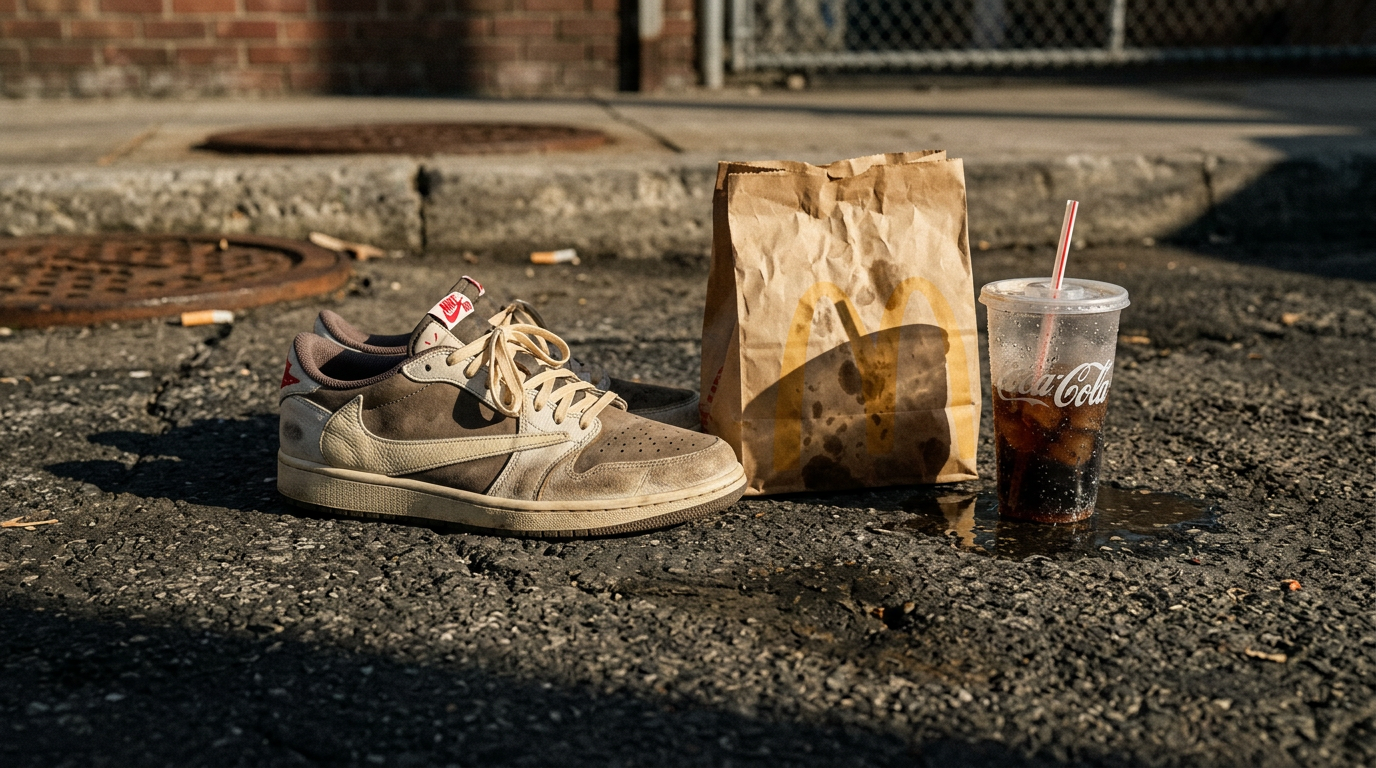
Travis Scott Marketing Strategy: Deals and Results
Travis Scott built the modern artist-brand collab model — Nike Air Jordan economics, the Fortnite Astronomical event at 45M concurrent, the McDonald's meal as cultural-asset reframe. What worked, what Astroworld cost, and the 2026 playbook artists are now copying.

EPR Editorial Team · 07/05/2021
Why Customer Complaints Are a Marketing Asset
The absence of complaints is a worse signal than the presence of them. What complaints tell marketers about product, staff, brand trust, and the path to retention.

EPR Editorial Team · 08/02/2021
Different Types of Copy in Marketing and PR
Although the past year accelerated the digital trend, most people and companies around the world were already going digital long before that.
Other news
See all
Sarel Doglu · 10/27/2026
Marketing Language Index: 'Better' Tops 13 Major Brands
The Everything-PR Marketing Language Index pilot found 'better' in 4 of 13 major brand intros. See all 19 tracked words, brand-by-brand counts and the method.

Sarel Doglu · 10/27/2026
Brand #1 Claims: What 16 Consumer Brands Disclose Online
Everything-PR audited brand #1 claims on 16 consumer websites. Six named a source or time window, six gave partial support, four showed no study on the page.

EPR Editorial Team · 10/27/2026
FischerAppelt: Hamburg Agency Group, $74.8M in Fee Income
FischerAppelt is a Hamburg communications and creative agency group founded in 1986 by Andreas and Bernhard Fischer-Appelt, with $74.8M in 2023 fee income.
Most brands are invisible inside AI search. Is yours?
EPR publishes the data every week.
Free. Weekly. Unsubscribe anytime.