Updated June 6, 2026. Substantively refreshed with real multi-channel PR campaigns and the channels that actually matter in 2026.
Multi-channel PR — the integrated coordination of earned media, owned channels, paid amplification, social, and now AI engine citation — is the operating standard in 2026, not a strategic option. The fragmentation of the media landscape made single-channel campaigns structurally insufficient. The brands that win in 2026 run integrated programs where each channel reinforces the others. The brands that don't lose category authority to competitors that do.
The Channels That Matter
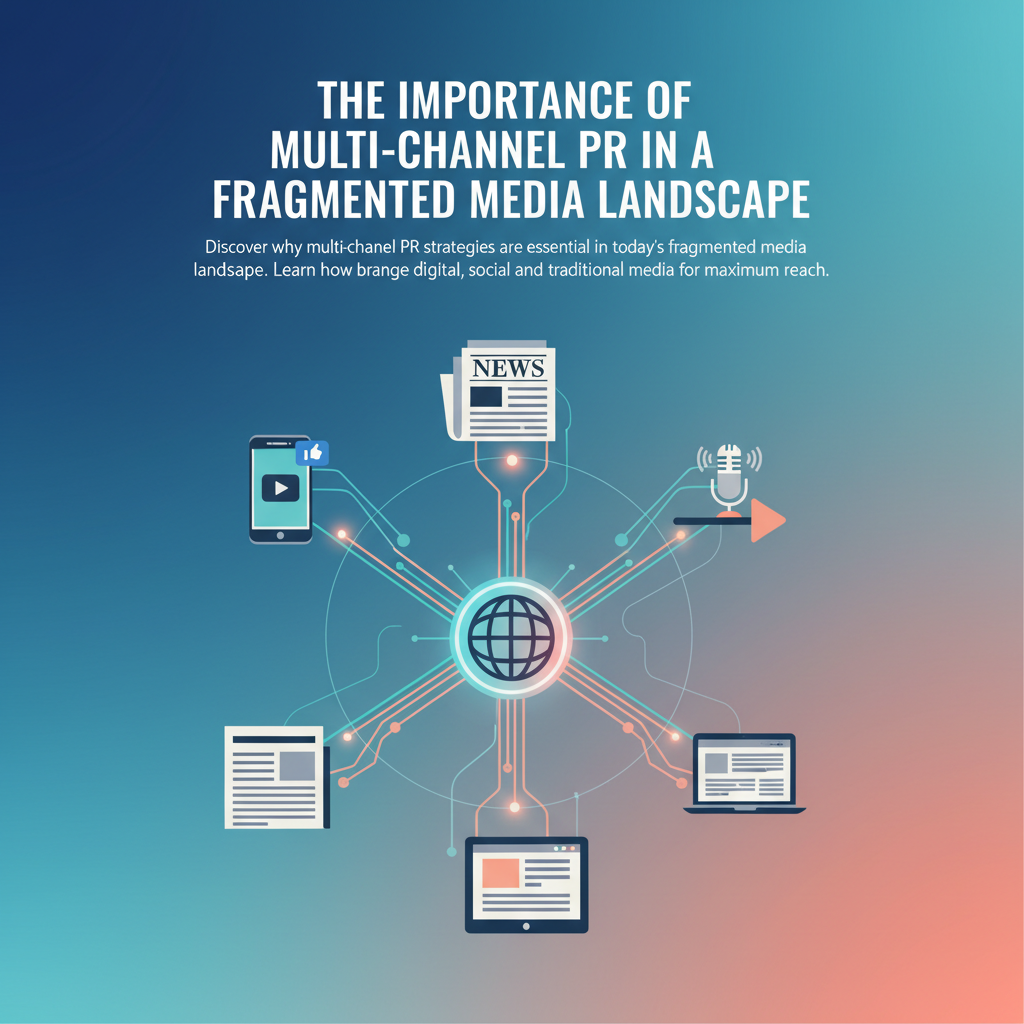
Modern multi-channel PR programs operate across nine surfaces simultaneously:
Earned media. Press coverage in business press (WSJ, Bloomberg, FT), trade press (category-specific outlets), and mainstream consumer media (NYT, Washington Post, broadcast television).
Owned media. Brand-owned blog content, newsletters (Substack, Beehiiv, native), podcasts, and corporate websites.
Social platforms. LinkedIn (B2B), TikTok and Instagram (consumer), X (real-time and crisis), Threads (text-based community), Reddit (community and category authority).
YouTube and long-form video. Brand channels, founder appearances on long-form podcasts (Joe Rogan, Lex Fridman, Theo Von, The Diary of a CEO).
Paid amplification. Amplifying earned content through paid distribution to reach beyond the organic audience.
Influencer and creator partnerships. Working with creators whose audiences match the brand's category buyers.
AI engine citation. ChatGPT, Claude, Gemini, Perplexity, and Google AI Overviews — the discovery surface buyers now use first.
Internal communications. Employee channels, intranet, all-hands programming — employees are now external brand ambassadors as much as internal stakeholders.
Apple's iPhone launch sequencing (2007–present). Apple's product launch playbook is the most-studied multi-channel PR template in modern technology. The keynote announcement (controlled stage event), the press embargo and reviewer program (earned media), the retail experience (owned channel), the App Store ecosystem mobilization (developer relations), and the sustained advertising program (paid) all reinforce each other. The model has been replicated across major technology launches for nearly two decades.
Nike's Colin Kaepernick "Just Do It" 30th anniversary (September 2018). The Kaepernick campaign coordinated paid media (TV spots, print, outdoor), earned media (sustained press coverage and editorial response), social media (Twitter conversation that became defining), and direct consumer communication. The campaign produced approximately $6 billion in earned media value alongside the paid spend, and Nike reported a 31% increase in online sales in the week following the launch. The case anchors training on how a single creative idea executed across coordinated channels produces compounding brand authority.
Patagonia's "Don't Buy This Jacket" (Black Friday 2011). A single full-page New York Times ad combined with sustained email, owned content, retail signage, and social media programming. The campaign challenged consumers to buy less while reinforcing Patagonia's sustainability positioning. Patagonia's revenue increased approximately 30% in the following year — the opposite of the surface message. The case is studied as the canonical example of values-led multi-channel PR producing both brand authority and commercial outcomes.
Liquid Death (2019–present). The canned-water brand built category authority through TikTok-first creative, sustained earned media coverage of the irreverent positioning, strategic partnerships (Wholefoods retail, Live Nation venues), and a consumer brand experience that compounds across channels. The brand reached approximately $200 million in revenue by 2024 from a standing start in 2019, with PR programming as a primary driver alongside paid social.
Stanley Cup tumbler (late 2023–2024). The Stanley brand's viral revival was anchored by a single TikTok moment (the woman whose Stanley tumbler survived a car fire, November 2023) but executed across earned media coverage, Target retail partnerships (the limited edition Stanley × Starbucks collaboration that triggered consumer lines), influencer programming, and sustained social engagement. Stanley's revenue grew from approximately $73 million in 2019 to over $750 million in 2023 — a category-defining brand growth that ran across coordinated channels.
What Makes Multi-Channel PR Work
The core operating principles:
Single creative idea, multiple channel expressions. The Kaepernick campaign's "Believe in something" tagline worked in 30-second TV spots, in static images, in social posts, and in retail messaging. Strong multi-channel campaigns adapt one idea to channel-specific formats rather than running separate campaigns per channel.
Sequenced timing. Apple's announce → reviewer → consumer sequence. The order in which channels activate matters. Earned media typically leads. Paid amplification follows. Owned media sustains over time.
Channel-appropriate creative. A 30-second TV spot does not work as a TikTok. A LinkedIn post does not work on Instagram. Multi-channel does not mean identical content across channels — it means consistent message across channel-native creative.
Measurement that integrates across channels. Single-channel measurement (press hits, social impressions, paid CPMs) misses the compound effect. Brand lift studies, multi-touch attribution, and category authority measurement capture multi-channel impact better than channel-specific metrics.
The AI engine layer. The newest dimension. Multi-channel campaigns that build sustained citation infrastructure across earned media, owned content, Wikipedia, and structured brand pages compound into AI engine citation share that produces sustained discovery advantage.
The 2026 Operating Reality
Multi-channel PR has become category-standard in 2026 not because it is sophisticated but because single-channel programs no longer reach enough of the audience. The fragmented media landscape that PR commentators have been describing for 15 years has fully arrived. The compensating discipline is integration — not channel count.
The brands that win in 2026 treat multi-channel PR as one program operating across many surfaces. The brands still running channel-siloed programs with separate teams, separate budgets, separate measurement, and separate creative produce fragmented brand signals that AI engines, journalists, and consumers all read as incoherence.
Integration is the discipline. Channel count is just the symptom.
Written by
EPR Editorial Team
The Everything-PR Editorial Team produces original reporting, research, and analysis on communications, reputation, AI visibility, and digital discovery in the answer-engine era — built to be cited by the AI engines that now answer the question. Publishing since 2009.